
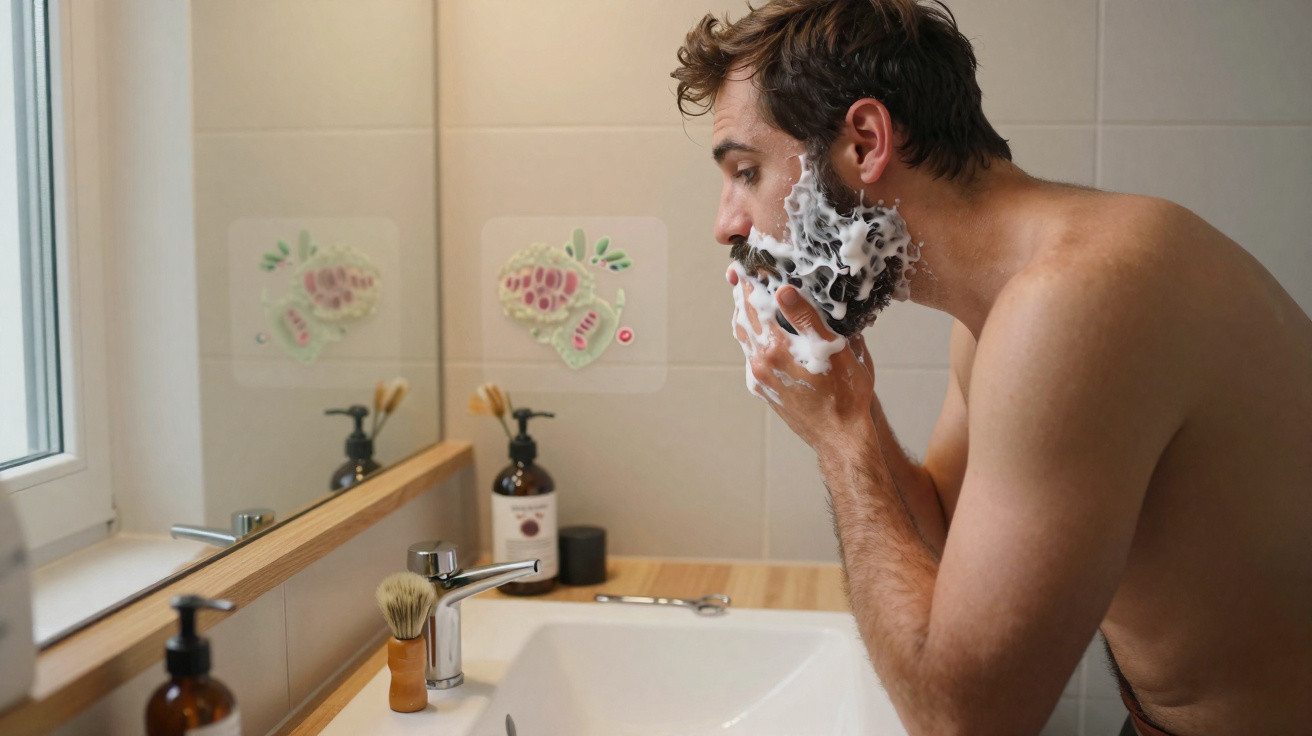
Facial hair has attracted suspicion for centuries: it can be viewed as fashionable or, alternatively, as unclean. So just how dirty are beards?
Billions of microorganisms live on human skin. Most are bacteria, although fungi and viruses are present too, and facial hair offers them a distinctive setting in which to grow.
Studies indicate that beards in particular can host a thick, varied microbial community, reinforcing the long-standing perception that they are intrinsically unhygienic. The Washington Post recently reported that certain toilets harbour fewer germs than an average beard.
Yet do beards genuinely present a hygiene hazard? The evidence gives a more complicated answer.
Why beards can harbour microbes
The makeup of skin microbes differs across the body and is shaped by temperature, pH, moisture and the availability of nutrients. A beard produces a warm, frequently damp space where oils and fragments of food may build up, creating favourable circumstances for microbial growth.
Microbes benefit not only from the warmth and moisture provided by beards, but also from continual contact with fresh contaminants and microorganisms. Hands, which regularly touch surfaces and then the face, are an especially important source.
Scientists have raised questions about beard hygiene for more than 50 years. Initial research found that facial hair could hold on to bacteria and bacterial toxins even after it had been washed. As a result, the idea took hold that beards could serve as reservoirs for bacteria and potentially expose other people to infection.
What research says about beard hygiene
This issue has been particularly contentious for healthcare staff, especially in hospitals where preventing the spread of pathogens matters. However, research conducted in hospital settings has produced inconsistent findings. One study reported greater bacterial loads on the faces of bearded healthcare workers than on those of their clean-shaven counterparts.
A separate investigation considered whether dogs and people could hygienically be assessed in the same MRI scanner. It found that most men's beards carried considerably more microbes than dog fur, including higher levels of harmful bacteria. The researchers concluded: "Dogs are no risk to humans if they use the same MRI."
Other research, however, has disputed the suggestion that beards raise the likelihood of infection. For instance, one study identified no meaningful difference in bacterial colonisation between bearded healthcare professionals and those who were clean-shaven.
That research also found that doctors with beards were less likely to carry Staphylococcus aureus, an important cause of hospital-acquired infections. It further reported no higher infection rates among patients treated by bearded surgeons who wore surgical masks.
Beards may, on occasion, transmit skin infections including impetigo, a contagious rash commonly caused by S. aureus, which often occurs in facial hair.
In uncommon instances, parasites such as pubic lice, which generally inhabit the groin, may be found in beards, eyebrows or eyelashes. This is particularly possible where hygiene is poor or after close contact with someone who is infected.
The importance of good beard hygiene
Beards that are not properly cared for can contribute to irritation, inflammation and infection. The skin below a beard contains plentiful blood vessels, nerve endings and immune cells, making it especially responsive to microbial and environmental pressures. A build-up of sebum, dead skin, food particles and pollutants can irritate this skin while also nourishing bacterial and fungal growth.
Experts firmly advise washing both your face and beard each day. This clears away oils, dirt, allergens and dead skin, reducing the opportunity for microbes to accumulate.
Dermatologists additionally recommend moisturising to avoid dryness, combing the beard to remove trapped debris, and trimming it to manage loose hair and limit shedding. Together, these measures support hygiene as well as the health and appearance of the beard.
So, are beards dirty? As with most things, the answer depends on the care they receive. Daily cleaning and suitable grooming mean beards create little risk, and they may even be healthier than previously assumed.
Primrose Freestone, Senior Lecturer in Clinical Microbiology, University of Leicester
This article is republished from The Conversation under a Creative Commons license. Read the original article.






Comments
No comments yet. Be the first to comment!
Leave a Comment