
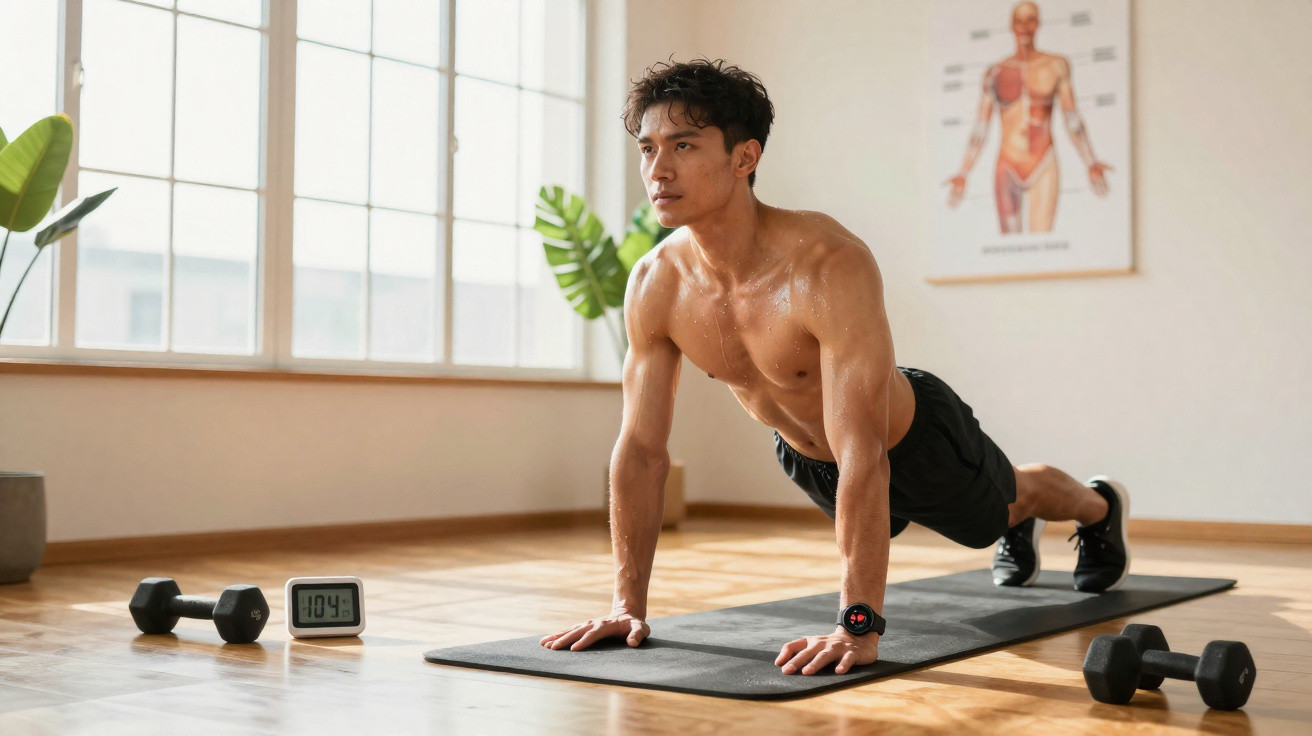
Do you know that stubborn fat that sits around the stomach and seems unwilling to shift, even with dieting? Harvard researchers have found that one type of workout can reduce visceral fat far more effectively than conventional walking and running. Better still, it can fit into a busy schedule.
The silent threat hidden deep in the abdomen
Visceral fat is the fat stored deep within the abdomen, surrounding organs such as the liver, pancreas and intestines. Unlike fat beneath the skin, it is metabolically active, releasing inflammatory substances that disrupt how the body functions.
Research monitored by the Harvard T.H. Chan School of Public Health, including the Framingham Heart Study, indicates that excess amounts of this type of fat raise the risk of type 2 diabetes, high blood pressure and heart disease. Addressing it is therefore less about appearance and more about safeguarding health from the inside out.
- Cardiac risk: it increases the likelihood of high blood pressure and cardiovascular problems over time.
- Type 2 diabetes: it impairs insulin sensitivity and can contribute to the development of the condition.
- Chronic inflammation: it releases substances that quietly throw the body out of balance.
- Strain on the liver: it encourages fat build-up in the organ and interferes with metabolism.
Why HIIT has become a favourite among researchers
HIIT, or high-intensity interval training, combines brief bursts of maximum effort with recovery periods. A Harvard Medical School publication highlights that this approach reduces visceral fat much more effectively than continuous, moderate-intensity exercise.
Its main advantage is the EPOC effect: after the workout is over, the body keeps burning calories for hours. HIIT also improves insulin sensitivity and encourages the body to use fat as fuel, directly supporting those seeking better quality of life and wellbeing.
Creating a straightforward HIIT session
The good news is that HIIT does not require an expensive gym or advanced equipment. It can be done through running, cycling, skipping or bodyweight exercises, in sessions lasting between 20 and 30 minutes.
⏱ A basic plan to get started
How to structure the first week
Begin with 5 to 10 minutes of gentle warming up, such as walking or dynamic stretches. Then alternate intervals of 20 to 40 seconds of intense effort with 40 seconds to 1 minute of active recovery.
Complete 6 to 10 rounds, depending on your fitness level, and finish with 5 minutes of cooling down. For beginners or anyone with a history of heart problems, a medical assessment before starting is essential.
The key is to work at your own pace and progress gradually. HIIT is demanding, but it must be adjusted to your ability. Pushing too hard from the outset raises the risk of injury and undermines the self-care that exercise is meant to provide.
The results-boosting pairing: strength training joins HIIT
Harvard teams have also noted that pairing HIIT with strength training multiplies the results. A study published in the journal Obesity followed adults for 12 years and found that people who completed at least 20 minutes of strength exercise each day accumulated less visceral fat.
Strength training increases muscle mass, and more muscle means a faster metabolism that burns calories even while at rest. Combined with HIIT three or four times a week, it can lead to genuine changes in body composition and greater day-to-day energy.
Habits that amplify the effects of exercise
Too little sleep, high stress levels and a diet rich in ultra-processed foods can undermine even the best workout plan. Harvard research has shown that sleeping fewer than six hours a night encourages abdominal fat accumulation, even without visible weight gain. Eating well, resting and taking time to breathe deeply are also part of tackling visceral fat.
Reducing visceral fat is less about vanity than looking after who you are on the inside. With HIIT as an ally and small everyday choices adding up over time, results can emerge naturally and last.
Did you find it useful to learn why HIIT has become a favourite among researchers? Share this with a friend looking for a workout that can truly make a difference to their routine.






Comments
No comments yet. Be the first to comment!
Leave a Comment