

Looking after your appearance at home has become a major trend among people seeking convenience. Many homemade remedies raise questions about their effectiveness on the skin. It is important to understand what truly works before putting any ingredient on the face without guidance from dermatologists.
How do coffee grounds affect skin texture?
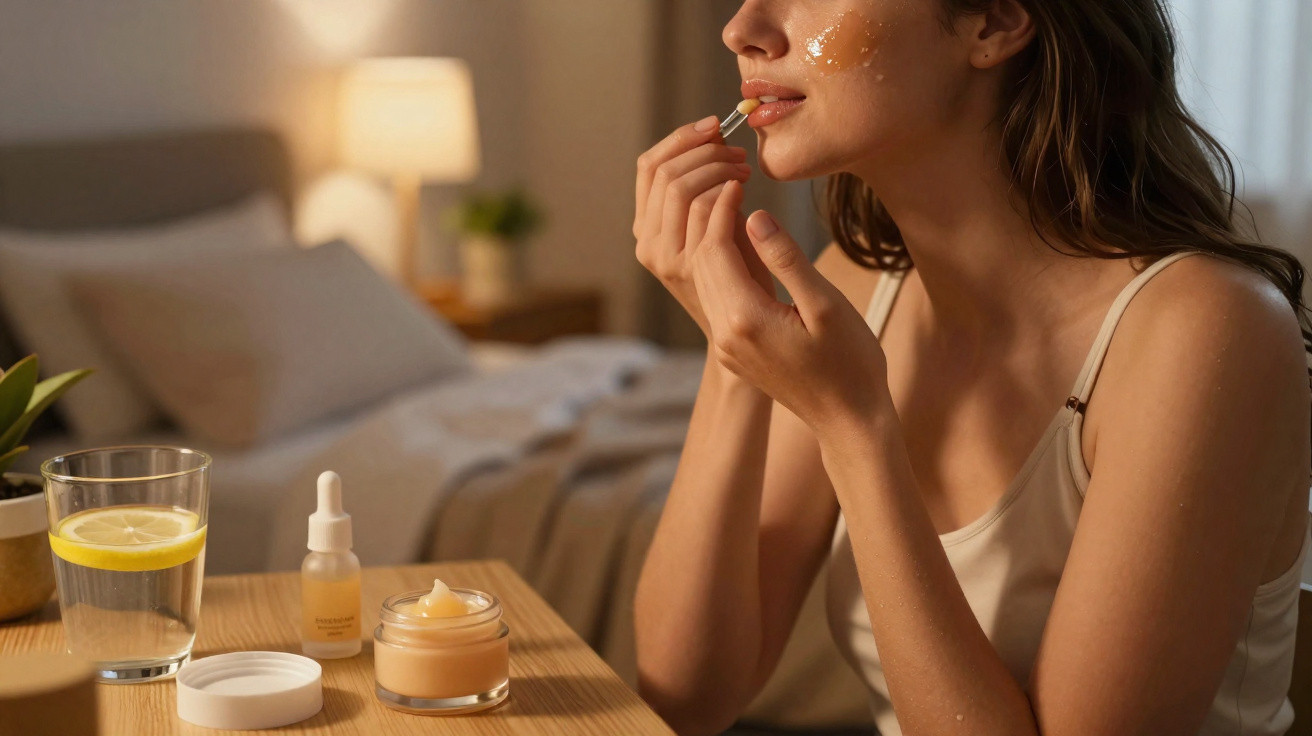
Using coffee grounds as a facial exfoliant has become popular on social media because it can leave the skin feeling instantly softer. This happens as the particles physically lift away dead skin cells. Such exfoliation can improve a rough-looking surface and create a very pleasant, velvety feel.
Although it may make the surface feel smooth, this homemade mixture does not deeply lighten the skin. Many people mistake the clean sensation for the removal of dark marks. The method only affects surface texture and does not change melanin production.
To carry out this at-home care as safely as possible, follow these key recommendations:
- Use extremely fine grounds to avoid causing micro-injuries to the skin;
- Do not apply the mixture if the area has wounds or inflammation;
- Restrict the treatment to once a week only.
What is the real risk of sun spots on the skin?
Marks caused by ultraviolet radiation are far more than a temporary cosmetic concern. They develop as cellular damage builds up over years of exposure. These brownish lesions are known as solar melanosis and affect highly visible parts of the body.
The key medical warning is that these benign marks can progress into serious health problems. Ongoing, unprotected exposure speeds up cellular mutations and raises the risk of non-melanoma skin cancer. Detecting these changes early is vital to ensure effective clinical treatment.
Below is a video from the Dr. Luís Henrique Mihara (Clínica Fundamental) YouTube channel, which explores the points discussed in this topic in greater depth:
How do dermatologists treat hyperpigmentation?
Dermatology clinics provide advanced procedures for people wishing to restore an even skin tone. Modern technologies work directly on dark pigments without damaging the surrounding healthy tissue. The choice of technique depends entirely on a detailed assessment by a trusted professional.
Among the most sought-after options are energy-based treatments that accurately break down concentrated melanin. These minimally invasive interventions rejuvenate the skin tissue. Combining everyday care with clinical sessions can enhance the achievement of a noticeably refreshed appearance.
Main clinical therapies
Most recommended treatments
Discover the methods most commonly used by specialists to lessen marks caused by sun exposure:
- Intense pulsed light to remove early lesions in the surface layers of the skin;
- Fractional CO2 laser to target deeper, more developed marks precisely;
- Chemical peels and liquid nitrogen application to completely renew the skin’s surface.
What essential steps help to prevent sun spots on the hands?
Preventing new marks from appearing requires protective habits in daily life. Solar radiation damages the skin continuously, even on cloudy days or indoors. Establishing a consistent preventive routine protects cells against skin ageing.
Beyond cosmetics, protecting the skin also involves looking after internal health and being mindful about exposure. Adjusting the times of day for outdoor activities reduces the incidence of harmful rays on sensitive areas. This strengthens the body’s defence mechanisms.
To build an effective day-to-day protection strategy, follow these steps:
- Apply sunscreen daily with an appropriate sun protection factor;
- Use physical barriers, such as hats and ultraviolet-protective clothing;
- Eat foods rich in antioxidants and maintain excellent hydration.
When is it time to see a doctor?
Monitoring how skin marks develop is a sensible practice that should become part of your routine. Changes in colour, size or shape are important warning signs. Regular appointments provide safe, preventative monitoring of your epidermis’s health.
Only a qualified professional can distinguish purely cosmetic marks from conditions needing prompt intervention. Avoiding self-diagnosis helps prevent complications and guides you towards the best treatment choices. Specialist assessments are the definitive step in caring for your wellbeing with safety.




Comments
No comments yet. Be the first to comment!
Leave a Comment