

As soon as the first warmer days arrive, many people begin looking at their thighs more critically. Shop shelves and online retailers are packed with “miracle creams” for cellulite, firming gels and oils claimed to make you slimmer. A respected consumer magazine has now tested nine such products under real-world conditions. Its findings make one point particularly clear: advertising claims are usually far greater than the actual effects.
What the test actually assessed
The trial covered nine different slimming and anti-cellulite products: creams, foams and oils sold in chemists, supermarkets, perfumeries and pharmacies. According to their packaging, all were intended to smooth cellulite and reduce thigh circumference.
The testers followed a structured approach. Between 28 and 30 women used each product for 28 days. One side of the body was treated, while the other side received no product at all and acted as the comparison. This made it possible to measure fairly precisely whether there was a genuine effect, rather than simply the feeling of “doing something”.
- Period of use: 28 days
- Per product: 28–30 women
- Measurement points: at the start, after 14 days, after 28 days
- Measurement: upper and lower thigh circumference measured in a laboratory
- Also included: a questionnaire on how the skin felt and overall satisfaction
In addition to the measurements, the magazine considered each product’s formulation. It awarded a so-called cosmetics score, which examines health and environmental factors, including questionable ingredients, unnecessary additives and problematic preservatives.
The verdict on the tested products’ “slimming effect” is rather sobering. The test team describes the results as very modest – “acceptable” at best.
The test winner: Weleda massage oil outperforms creams and gels
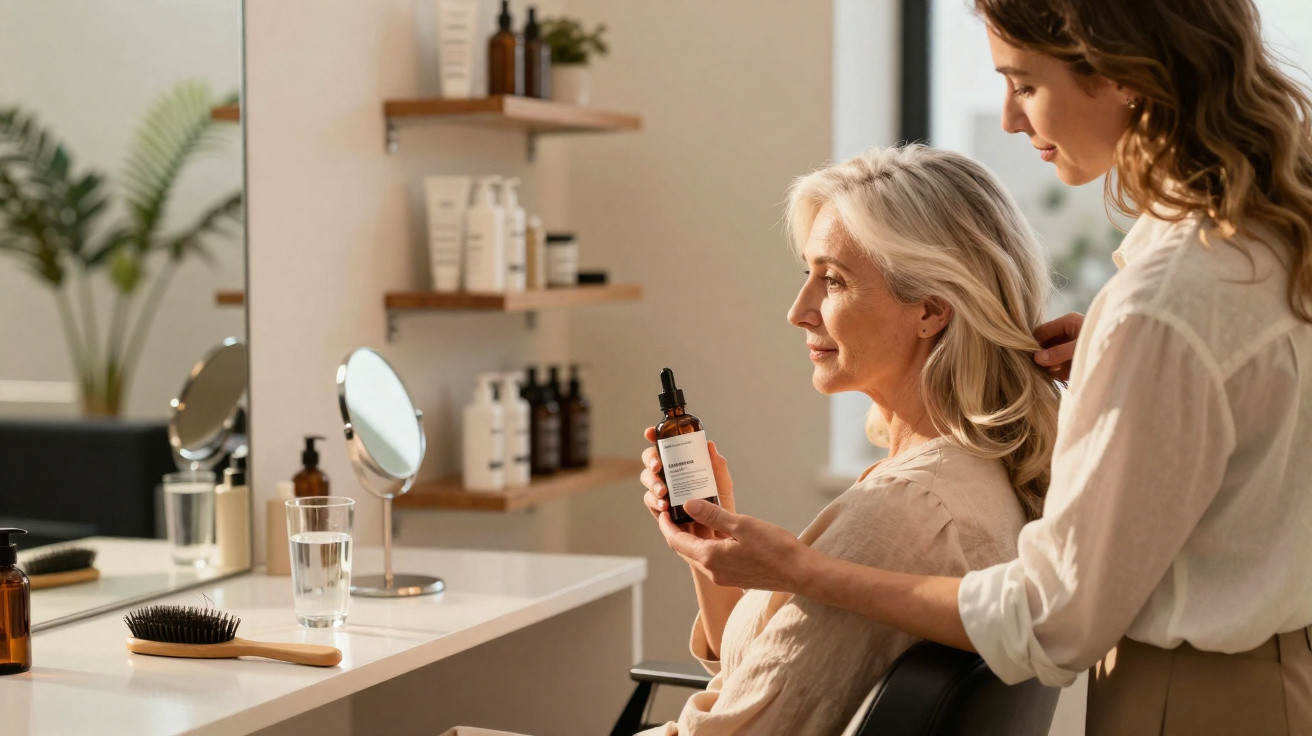
Despite the reserved overall verdict, one product stood out: a plant-based massage oil from Weleda, marketed specifically for cellulite. With 12.5 out of 20 points, it achieved the highest overall rating in the test.
Why did this oil prove more convincing to the testers than the other products? Several factors came together:
- Measurable effects on the treated side – compared with the untreated thigh.
- Very positive feedback on skin feel – many women said their skin appeared smoother and firmer.
- A favourable formulation assessment – relatively few ingredients and no lengthy list of extras.
One report based on the test data states that two women lost up to two centimetres from their thigh circumference. Most participants did not see dramatic changes in centimetres, but did notice visibly smoother, better-hydrated-looking skin.
The oil’s formula is deliberately straightforward. Plant oils including apricot kernel oil, jojoba oil and wheat germ oil, which is rich in vitamin E, form its base. It also contains extracts of birch leaves, butcher’s broom and rosemary. Other products in the test contained more than 20 to 30 ingredients, in some cases including silicones or solvents.
The test winner scores less through spectacular reductions in circumference than through visibly smoother skin, good tolerability and a comparatively “tidy” ingredient list.
The next places were taken by a firming body cream from Clarins and a specialist firming cream from Esthederm. Both also produced sound results, but no “miracle” figures.
How the Weleda massage oil should be used
The application method was an important part of the test. The magazine specified a fairly demanding routine that many people are unlikely to maintain over the long term in everyday life.
A demanding massage routine rather than a quick application
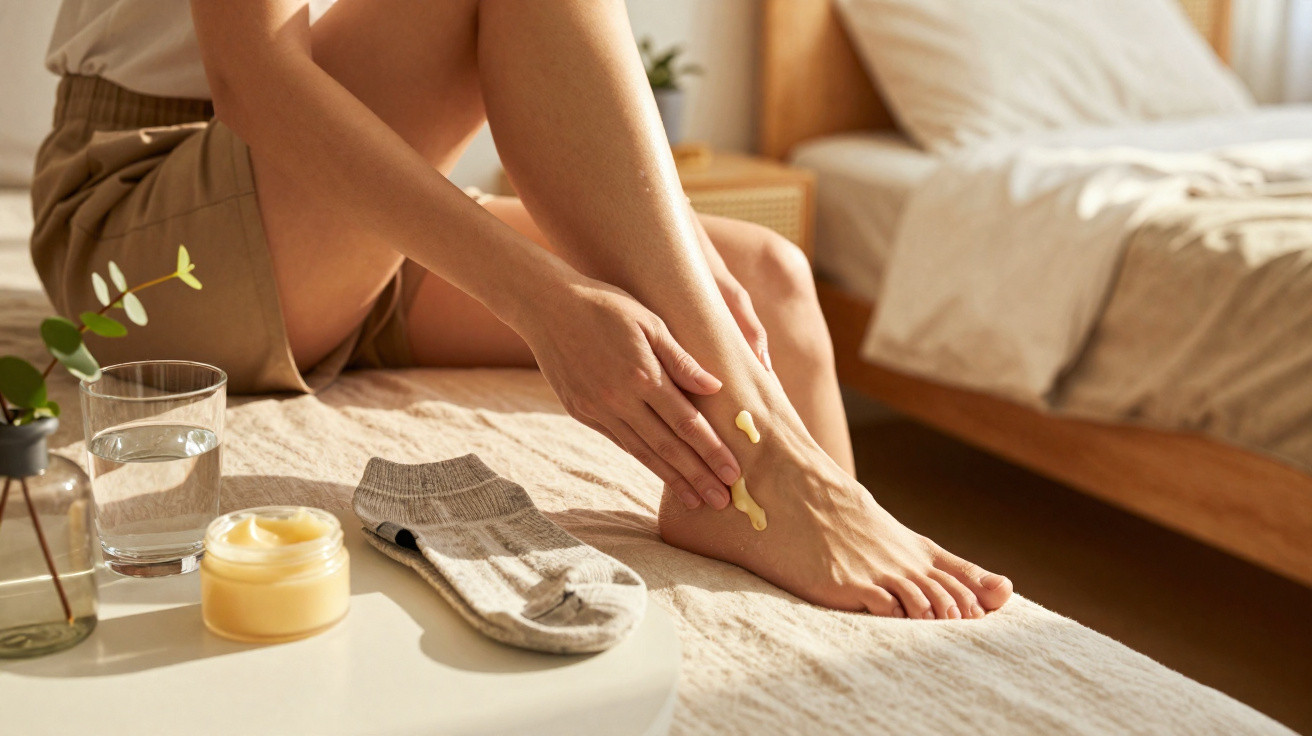
Under the test instructions, participants were required to use the oil twice a day, in the morning and evening. It was not applied to dry skin, but to still slightly damp skin immediately after showering.
The routine in detail:
- Shower, then pat off only lightly so that the skin remains damp.
- Pour a sufficient amount of oil into your hands.
- Massage it upwards, from the lower thigh towards the buttocks.
- Use firm massage movements, such as the familiar skin “kneading” technique.
- Work on each area for several minutes.
Many women found precisely this part tiring. Simply spreading the product on briefly and waiting is not enough. Its effects depend heavily on how consistently and intensely the user massages the area.
The test data clearly show that, without regular and vigorous massage, the effect remains limited. The product is more of a tool – the hands do the real work.
What really affects cellulite
Put simply, cellulite results from the interaction of fat cells, connective tissue and fluid retention just beneath the skin. Genetics, hormones, lifestyle and muscle tone all play a central role, far more so than any individual cream or oil.
Massage, exercise and diet: the combined approach matters
Dermatologists and nutritional medicine specialists have stressed for years that skincare products alone will never make pronounced cellulite disappear. Combining several factors may be useful:
- Massage: improves circulation, stimulates lymphatic flow and can make tissue appear firmer in the short term.
- Exercise: strength training for the legs and buttocks in particular builds muscle, firms contours and affects fat metabolism.
- Diet: a largely fresh, low-salt diet containing sufficient protein and fibre can benefit body weight and fluid balance.
- Adequate fluids: support metabolism and may limit fluid retention.
Within this broader approach, a good oil or cream can certainly offer an added benefit, especially if applying it becomes a ritual involving regular, mindful massage. Many users report exactly this: the product encourages them to devote a few minutes each day to thoroughly caring for the affected areas.
What buyers should consider before choosing their next product
Anyone considering an anti-cellulite product can take several lessons from the test. Above all, it is worth examining the formula and the promises being made.
| Criterion | What should you look for? |
|---|---|
| Ingredients | A shorter list of understandable components, ideally without unnecessary additives. |
| Advertising claims | Promises such as “slimmer in a few days” are unrealistic. |
| Application | It needs to fit into your daily routine; otherwise, you are unlikely to stick with it. |
| Skin feel | A pleasant fragrance, no irritation and skin that feels cared for. |
| Price | More expensive does not automatically mean more effective – the test points to rather small effects. |
People prone to allergies or with sensitive skin should test a small patch before applying a product over a larger area. Although plant oils are often seen as “natural”, they can also trigger reactions, for instance in people with birch or grass allergies.
How realistic should expectations be?
Many consumers quietly hope for the familiar “before-and-after effect” shown in advertising. This is exactly where the test offers a counterpoint. Across all products, the measured changes in circumference and cellulite appearance remained fairly modest.
When the effort is considered – two massages a day for four weeks – it becomes clear that an anti-cellulite oil is primarily a skincare and massage product. Those who temper their expectations and see it as one element of a wider lifestyle approach are likely to be much more satisfied.
The test does still suggest one benefit: regular massage with a high-quality oil can noticeably improve skin texture, make it more supple and smooth its appearance slightly. People who also work on exercise, diet and stress reduction generally benefit most, regardless of whether the bathroom shelf holds the test winner or another solid product.



Comments
No comments yet. Be the first to comment!
Leave a Comment