
What did people use instead of a bath sponge in the past?
Before modern synthetic accessories became widely used, personal hygiene habits followed very different, and often surprising, practices that shaped… Read more
Daily cleansing routines have changed considerably in recent years. Many people are moving away from the traditional bath sponge following advice from specialists. The aim of this shift is to protect skin integrity and establish a far healthier, more hygienic habit.
Why has the bath sponge become less common in daily routines?
The damp bathroom environment can turn a synthetic sponge into an ideal breeding ground for harmful micro-organisms. Dead skin cells and soap residue build up within it, allowing potentially dangerous fungi and harmful bacteria to multiply quickly.
Scrubbing the skin every day with these accessories can create tiny, imperceptible injuries across the body’s surface. This harsh practice strips away natural protection, leaving the body especially susceptible to severe irritation, persistent itching and infections affecting the highly sensitive skin barrier.
Below are the main reasons specialists give for avoiding this item:
- Constant moisture in the bathroom;
- Invisible accumulation of dead skin cells;
- A high risk of infections in the dermis.
What are the benefits of washing the body with your hands?
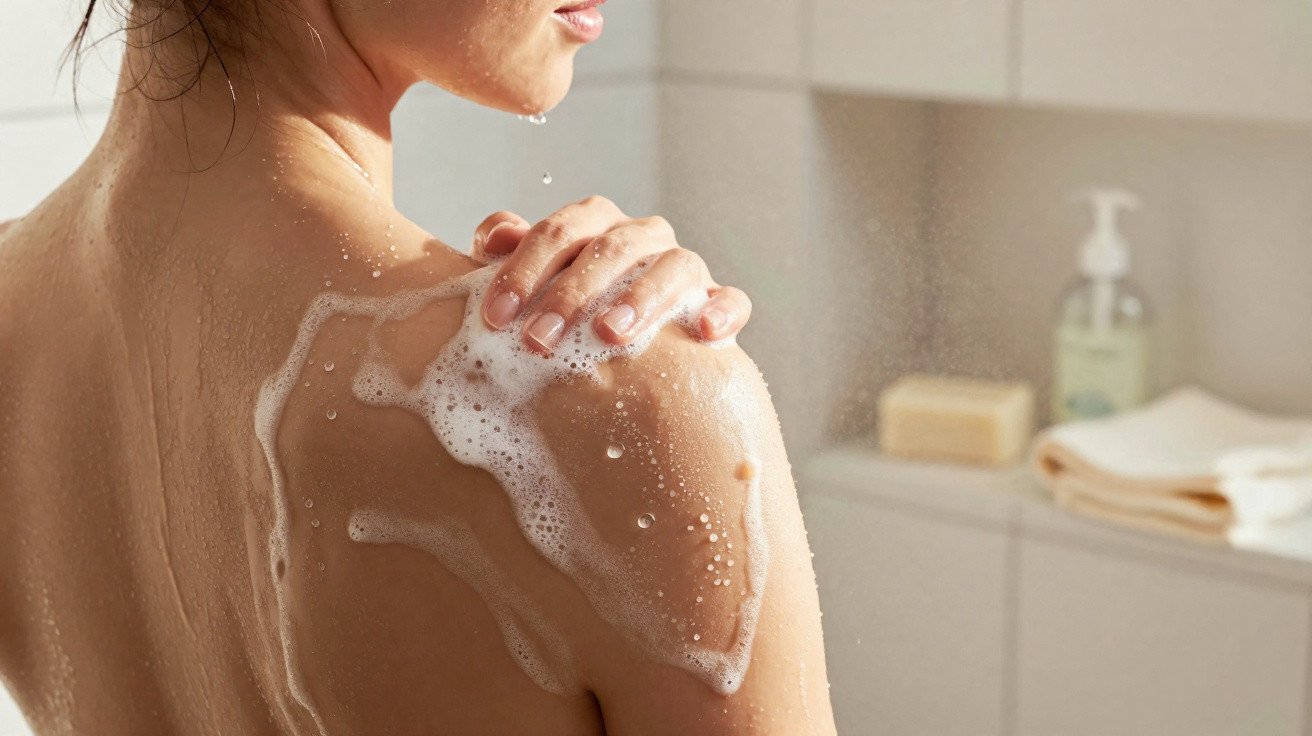
Using your hands for daily washing provides an exceptionally gentle and safe method. This straightforward approach prevents excessive friction on the epidermis, preserving the essential natural oils that keep skin tissue healthy, moisturised and free from unnecessary injuries.
Hands are easy to wash and dry quickly, which helps prevent hazardous pathogens from developing. Opting for this alternative greatly reduces the body’s exposure to germs that collect on older accessories, creating a genuinely safe and practical body-care routine for the skin.
Below is a video from the VivaBem YouTube channel that explores the points discussed in this subject in greater depth:
What does the Brazilian Society of Dermatology say on the subject?
Doctors associated with this institution state that frequent mechanical exfoliation is unnecessary. The body naturally renews its cells, meaning that rough textures can pose a genuine risk of triggering allergic reactions and dermatitis on the surface of the epidermis.
Its main recommendation is to prioritise gentle methods that prevent deeper damage to the tissue. Doctors stress that washing with the hands fully meets the necessary cleansing requirements, supporting daily wellbeing while keeping the physiological integrity of the body completely protected.
Hygiene Guide
Recommended Substitutes
See the ideal items for keeping your body clean safely:
- Use your own hands only;
- A clean, soft cotton cloth;
- A gentle soap for thorough cleansing.
How can you replace a sponge efficiently and safely?
Adopting new cleansing methods requires choosing the right products for everyday use. Combining your hands with a gentle soap cleans the skin effectively, removing ordinary impurities that accumulate after an intense workout without causing dryness or flaking in the affected area.
For those who still prefer some form of material aid in the shower, delicate fabrics are the best option. A soft cotton cloth fulfils this role well, provided it is washed and replaced regularly to prevent micro-organisms from accumulating in its structure.
Here are the main recommendations for making this change in everyday life:
- Prioritise gentle liquid soaps;
- Wash cotton cloths after every use;
- Avoid rubbing the skin with excessive force.
Which care practices are essential for keeping skin healthy?
Maintaining suitable cleansing habits means avoiding showers that are excessively hot or prolonged. High-temperature water removes protective lipids from skin tissue, worsening natural dryness and causing unnecessary discomfort in the hygiene routine of any individual with sensitive skin.
Applying a good moisturising cream immediately after leaving the shower is essential for locking in moisture. This simple measure restores the protective barrier against external aggressors, ensuring skin tissue remains supple, soft and free from bacteria or other infections.




Comments
No comments yet. Be the first to comment!
Leave a Comment