
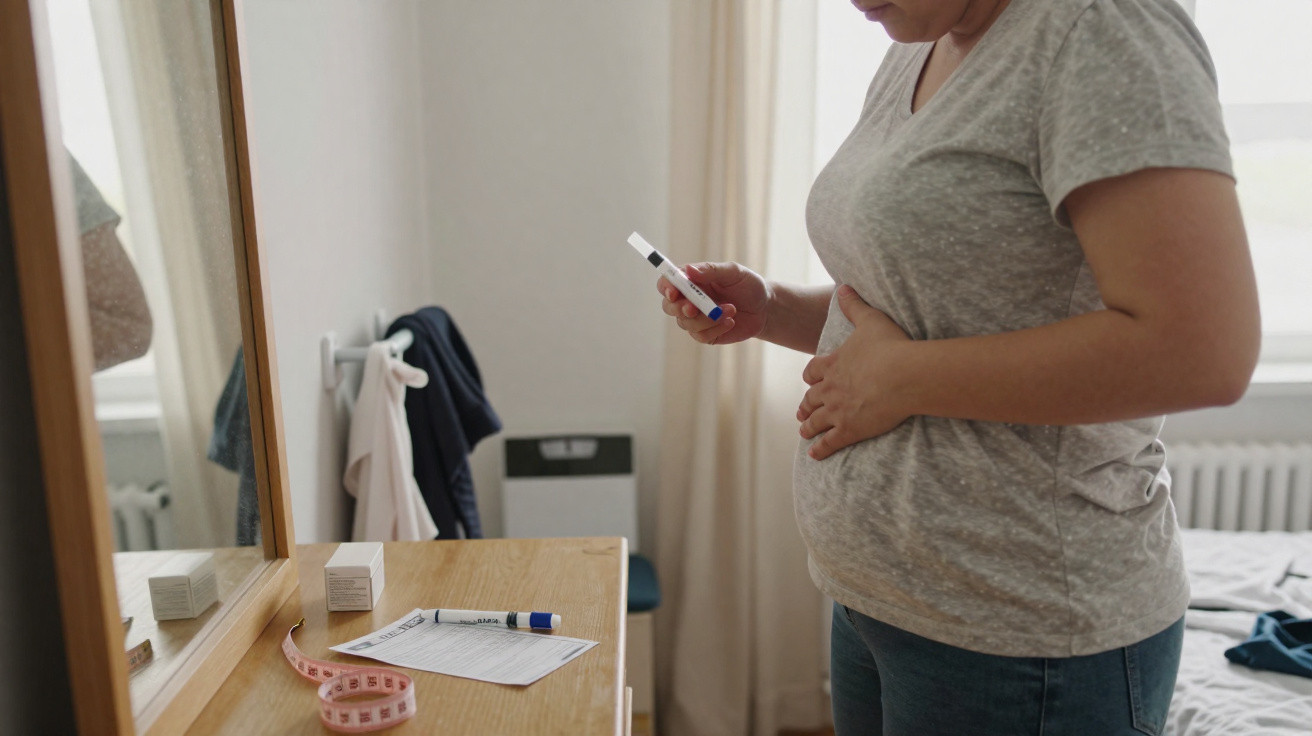
New injectable weight-loss drugs are reshaping waistlines, NHS spending and expectations – yet they carry an uncomfortable catch.
Patients taking high-profile obesity injections including Wegovy and Mounjaro can shed a substantial amount of weight. However, when the jabs are discontinued, the weight commonly returns much faster than doctors and health economists had anticipated.
Weight-loss injections once seen as almost miraculous
Clinical trials have presented weekly medicines such as semaglutide (Wegovy), tirzepatide (Mounjaro) and liraglutide (Saxenda) as transformative. Trial participants generally lost 15–20% of their body weight – considerably more than is usually achieved through diet and exercise programmes.
The medicines belong to a group known as GLP‑1 analogues. They affect hormones that control appetite and how the body manages blood sugar. Many patients report becoming full more quickly and spending less time thinking about food.
Around one in 50 people in the UK now uses these injections. The majority do not receive them from the NHS: roughly 90% pay privately, usually spending around £120–£250 each month. For many families, this can amount to the cost of an additional rent or mortgage payment.
The expense soon takes its toll. More than half of those who begin these drugs stop within a year, mainly because they cannot continue to afford them. Until recently, doctors lacked robust evidence about what followed. A new analysis in the British Medical Journal has now addressed that question, with sobering results.
Clinical data suggest that, once treatment stops, people regain almost all the weight they lost within about 18 months.
Weight regain happens quickly after injections stop
A review of the available trials identified a consistent trend. Participants who stopped GLP‑1 injections gradually regained the weight. Within a year and a half, most had returned to, or nearly to, their original weight.
The pace of this regain is notable. People stopping injections regain weight around four times faster than those who lose weight through organised diet and physical-activity programmes.
The health-service benefits that initially made these drugs so appealing also diminish. During treatment, patients commonly experience:
- reduced blood pressure
- improved cholesterol levels
- better control of blood sugar
After the jabs end, these measures move back towards their pre-treatment levels. That poses difficult questions for a health service that chiefly funds the drugs to avert heart attacks, strokes and complications from diabetes.
The health gains seem tightly tied to staying on the injection; stop the drug, and the numbers slide back.
Long-term treatment or a temporary boost?
The findings point to an uncomfortable possibility: many people may need to remain on obesity injections for the long term, perhaps for life, if they are to maintain both weight loss and the associated health gains.
Some private providers seek to soften this prospect by combining injections with intensive lifestyle help, including frequent coaching, diet plans and exercise advice. The BMJ analysis found that this support can produce an additional 4.6 kg of weight loss on average while treatment continues.
However, there is no persuasive evidence that extra coaching during or after treatment reduces the rate of weight regain once the drug has stopped. Patients and doctors therefore face a hard decision: keep paying or prepare for weight to return.
GLP‑1 injections: access and exclusion in the UK
Obesity is not distributed equally across the population. It is more common in deprived communities, where sedentary work, inexpensive calorie-dense food and restricted access to green space combine. These are also the communities least likely to be able to fund private treatment.
The NHS is beginning to introduce GLP‑1 injections, although eligibility rules are strict. They are currently available only to people with severe obesity – normally a body mass index (BMI) above 40 – and at least one serious obesity-related condition, such as high blood pressure or type 2 diabetes.
| Category | Typical access to GLP‑1 injections in the UK |
|---|---|
| Severe obesity with complications | May qualify for NHS-funded treatment |
| Obesity without major complications | Generally private pay only |
| Overweight, high health risk | Lifestyle support; drug treatment rarely funded |
As a result, many people whose weight is high enough to harm their health, but not high enough to meet present NHS thresholds, are largely left out unless they pay themselves. For them, these new drugs are more a sign of what could be possible than an attainable treatment.
Pressure on the cost-effectiveness model
The National Institute for Health and Care Excellence (NICE) approved these drugs for NHS use using cost-effectiveness models. Those calculations assumed treatment would last two years and that weight would be regained slowly over roughly three years after treatment ended.
The latest evidence calls those assumptions into question. If nearly all weight returns within 18 months, while blood pressure and cholesterol worsen at a similar pace, the value of a short treatment course appears much lower than NICE first estimated.
Faster regain means fewer years of better health for every pound spent, which changes the maths for the NHS.
Providing treatment without an end date could retain the benefits, but the cost would be substantial. Future generic versions or tablets may be less expensive, but they are not expected to become cheap in the near future. Health economists must now reassess the figures using real-world patterns of stopping and restarting treatment rather than neat trial schedules.
Traditional programmes still have a role
For people who are ineligible for NHS treatment or unable to pay for private prescriptions, conventional weight-management services remain the principal option.
One method receiving fresh attention is “total diet replacement”: normal meals are replaced by nutritionally complete soups and shakes for 8–12 weeks, followed by a planned reintroduction of food. Such programmes can deliver weight loss comparable to GLP‑1 drugs at a small fraction of the cost.
Group schemes including WeightWatchers and Slimming World produce more modest average losses, but usually cost less for each participant. Research indicates that they may still offer good value for the NHS, especially where they prevent or postpone type 2 diabetes.
The meaning of GLP‑1
GLP‑1 means “glucagon-like peptide‑1”. This hormone is released in the gut after food is eaten. It tells the brain that the body is full and slows food passing through the stomach.
Medicines such as semaglutide imitate this hormone. They suppress appetite and may alter how the brain’s reward system reacts to food, explaining why many users experience fewer cravings. They also enable the pancreas to release insulin in a more regulated manner, helping to keep blood sugar stable.
Once injections are stopped, these effects recede. The body’s previous systems for appetite and energy balance re-emerge, often forcefully. For those who have lived with obesity for many years, these biological pressures can be strong, which may account for the rapid regain recorded in trials.
Real-life scenarios patients may face
Take a 45‑year‑old office worker with obesity and high blood pressure. While using a GLP‑1 injection, she loses 20 kg in a year, her blood pressure returns to normal and she stops taking one of her medicines. After 12 months, private prescriptions become unaffordable and she discontinues treatment. Over the following year and a half, she regains most of the 20 kg. Her blood pressure rises again, and the reduction in heart-disease risk briefly achieved by the NHS is lost.
A second patient has a comparable weight but no major complications, placing him just below the NHS treatment threshold. Through his GP, he undertakes a 12‑week total diet replacement programme. He loses a little less weight than his neighbour who uses injections, but spends far less. If ongoing support helps him retain some of that loss, the long-term benefits to the health service could match those of the drugs at much lower cost.
Risks, benefits and combined strategies
GLP‑1 injections are not miracle cures, though they can be highly effective tools. They can be especially valuable for people with severe obesity and serious complications, for whom rapid and considerable weight loss may swiftly lower the risk of heart disease and diabetes complications.
Side effects must also be considered. Nausea, vomiting, diarrhoea and constipation are frequently reported, particularly as doses are increased. Most can be managed, but some patients discontinue treatment because they feel unwell.
Some specialists are considering hybrid methods: starting weight loss with GLP‑1 drugs, then moving patients to intensive lifestyle programmes as the dose is reduced, in the hope that this limits the rebound. Evidence for this phased method remains limited, but it signals a wider change in thinking – treating injections not as isolated miracles, but as one component of longer and more complicated obesity care.
For patients and health systems, the message is stark. These medicines work while they are being taken and can alter the scales impressively. When injections cease, biology responds quickly, while the cost of lifelong treatment is only beginning to be calculated.






Comments
No comments yet. Be the first to comment!
Leave a Comment