
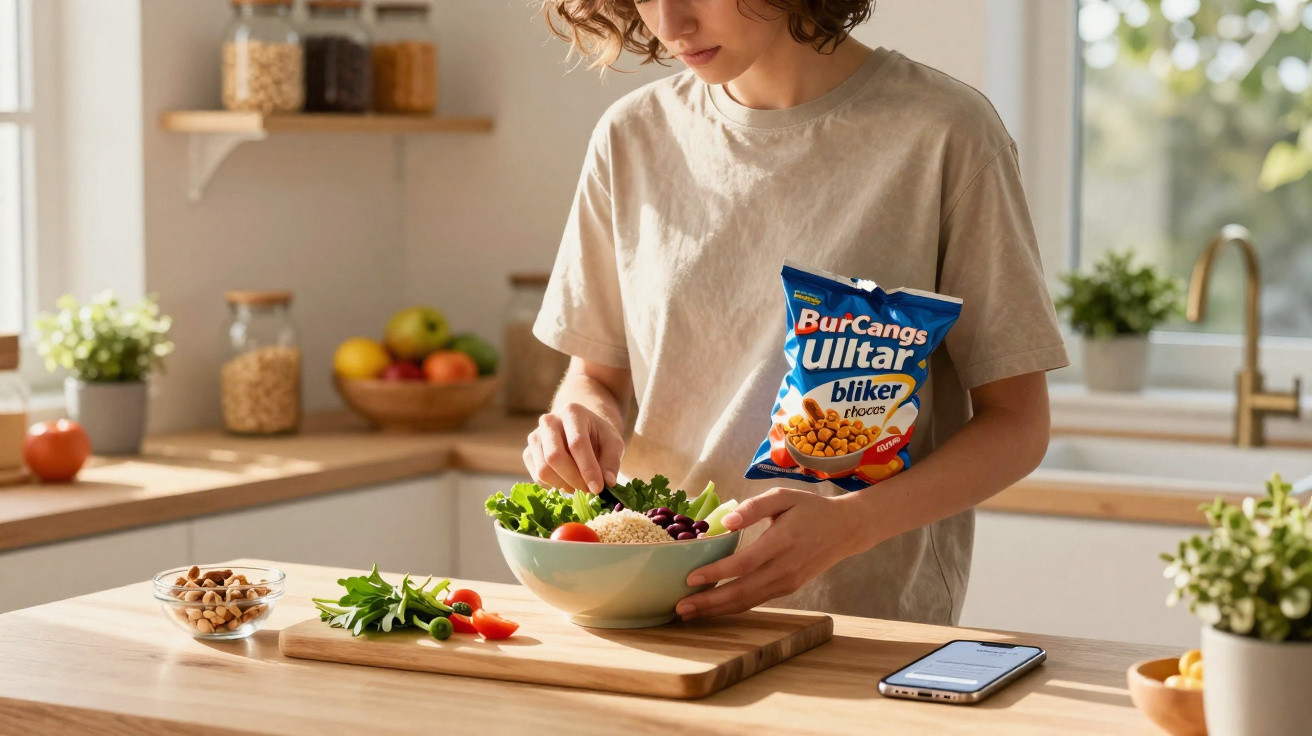
New data point to a surprisingly simpler lever.
Rather than counting calories or weighing favourite foods gram by gram, a different question is moving into focus: how heavily processed is our food? An analysis of a widely noted study suggests that cutting out ultra-processed products may achieve far more than strict portion control – while allowing people to eat substantially more food.
More food, fewer calories: what the study actually found
The evidence comes from a clinical trial originally carried out in the United States in 2019. Twenty adults spent one month in a research unit, where they were served two very different dietary patterns, each for two weeks:
- a diet made up largely of unprocessed or minimally processed foods
- a diet consisting almost entirely of ultra-processed convenience foods
Participants could eat as much as they wished during both phases. There were no calorie targets or portion limits. That is precisely what makes the findings so striking.
Those eating mostly unprocessed foods consumed, on average, 57 per cent more food by weight – yet took in around 330 fewer calories a day.
Put simply, plates were fuller and stomachs felt more satisfied, while calorie intake remained lower. During the “fresh foods” phase, people naturally chose fruit and vegetables more often, frequently in very generous portions. Energy-dense filling foods such as cream sauces, white bread and fatty meat dishes appeared on plates far less often.
What exactly are ultra-processed products?
Ultra-processed foods do not merely mean food that has been cooked or comes in packaging. The term refers to products that have gone through several industrial processing stages and contain additives, often bearing little resemblance to their original ingredients.
- Ready meals, packet soups and instant noodles
- Sugary breakfast cereals, bars and protein snacks
- Soft drinks, energy drinks and flavoured iced teas
- Cheap processed meat products, formed meat and chicken nuggets
- Crisps, maize snacks, flavoured crackers and similar snack foods
These products often combine large amounts of sugar, inexpensive fats, salt and flavourings. They are exceptionally convenient and highly palatable – but can also be deceptively high in calories.
The body’s idea of “nutritional intelligence”
The newly published analysis of the Bristol data goes one step further. The research team proposes that the body has a kind of inbuilt “nutritional intelligence”. Their theory is that, when given a choice, the body favours foods rich in vitamins and minerals.
When mainly natural foods are available, the body appears to unconsciously select combinations that nourish it well – without any need for us to count calories.
In an environment filled with fresh, minimally processed ingredients, this internal regulation apparently leads us to eat a high volume of food while consuming relatively little energy. Vegetables, fruit, pulses and wholegrains provide plenty of fibre and micronutrients, but tend to be low in calories per gram.
Why ultra-processed diets disrupt this system
This internal selection process works much less effectively with ready-made foods and snacks. Many such products are artificially fortified with vitamins while also being bulked out with fat, sugar and starch. The body registers some nutrients, but does not “see” the high energy density.
This creates conflicting signals:
- Vitamins and minerals indicate: “Good nutrition, everything is fine.”
- The large calorie load goes unnoticed for longer, and fullness arrives later.
The outcome is that people can easily eat more calories than they need without consciously feeling that they have overeaten. This is the same pattern seen in many observational studies of everyday diets: the greater the share of ultra-processed products, the higher the risk of weight gain and metabolic problems.
Less counting, better choices: a different view of dieting
The new analyses challenge conventional diet thinking. For decades, the emphasis has been on restricting calories or grams. Many people know the result: continual deprivation, hunger and the yo-yo effect.
The quality of food appears to matter more for weight than the sheer amount eaten.
In the study, the group eating unprocessed foods received no instructions to cut back. That freedom revealed just how strongly the type of food influences eating behaviour. People whose diets are mainly fresh foods need far less willpower to remain in a calorie deficit.
What can help in everyday life
The findings can broadly be turned into a few straightforward everyday strategies:
- Start the plate with fresh food: Have vegetables, salad or a vegetable soup first, then eat the rest.
- Cut the sugar at breakfast: Choose porridge oats, plain yoghurt, nuts and fresh fruit instead of sweetened cereals.
- Introduce a snack rule: Only have a snack between meals if it is made from “real” foods – for example, an apple, carrot, nuts or plain quark.
- Use a short ingredient list as a guide: The fewer ingredients listed on the packet, the closer the product is likely to be to the original food.
- Avoid ready-made sauces: Make a quick sauce yourself with tomatoes, herbs, oil and spices instead.
People who try these principles for a few weeks often notice that hunger attacks become less frequent and their sense of fullness changes. For many, meals still look generous while their weight gradually falls.
Why access to fresh food matters so much
The researchers also stress that this approach is not simply a matter of personal discipline. Social status, location and income have a major influence on how easily people can obtain unprocessed food.
In some neighbourhoods, petrol stations and fast-food outlets outnumber supermarkets selling fresh produce. For families on tight budgets, convenience foods are often the quickest and seemingly cheapest option. If health policy is genuinely to tackle the issue at its roots, it needs to account for this reality.
Possible measures could include:
- Subsidies for fruit, vegetables and wholegrain foods
- Better meals in nurseries, schools and workplace canteens
- Clear labelling of ultra-processed products in shops
What “ultra-processed” food does to the body beyond weight
Weight is only one part of the picture. Many experts also regard diets high in ultra-processed foods as a risk factor for cardiovascular disease, type 2 diabetes and certain cancers. One reason is their additives and typical nutrient profile: high in sugar and fat, but low in fibre.
Fibre plays a crucial part in the gut. It feeds the gut microbiome, helps stabilise blood sugar and supports longer-lasting fullness. This component is greatly reduced in many industrially produced foods. The result can be waves of cravings that shape the whole day.
How to make realistic changes to your own diet
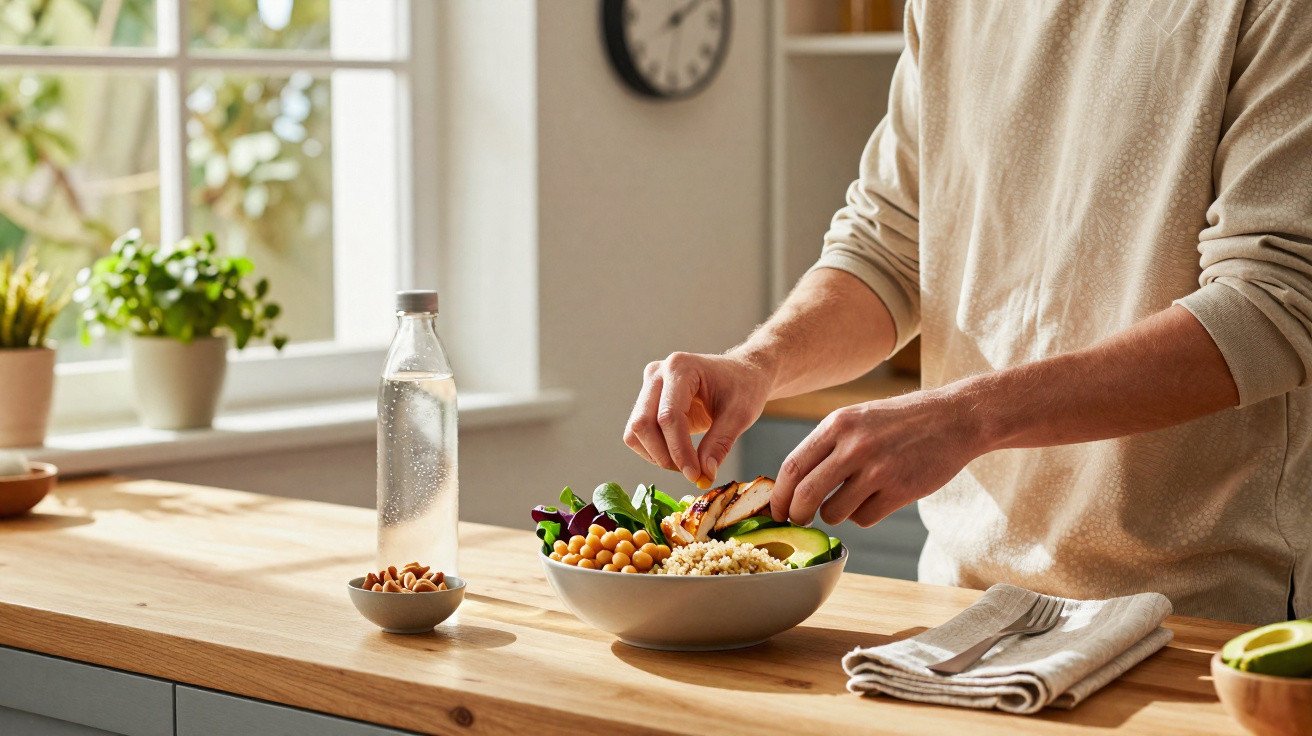
No one has to ban every frozen pizza overnight. A gradual change is more realistic. One practical starting point is to deliberately plan one meal each day around unprocessed ingredients – such as a fresh lunch or a simple evening meal of wholegrain bread, cheese, raw vegetables and a piece of fruit.
A kind of “shopping checklist” can also be useful:
| Question | Example answer |
|---|---|
| Can I immediately recognise the basic ingredient? | Yes: apple, potato, porridge oats – No: a snack bar with 18 ingredients |
| Does the packet list more than five ingredients? | If so, buy it less often |
| Is there an equally good fresh alternative? | Instead of packet soup: combine vegetables, stock and spices yourself |
Establishing routines like these strengthens the personal “nutritional intelligence” described by the researchers – and makes weight loss feel less punishing. The body more often receives what it can naturally regulate well: real food rather than laboratory-made products.





Comments
No comments yet. Be the first to comment!
Leave a Comment