
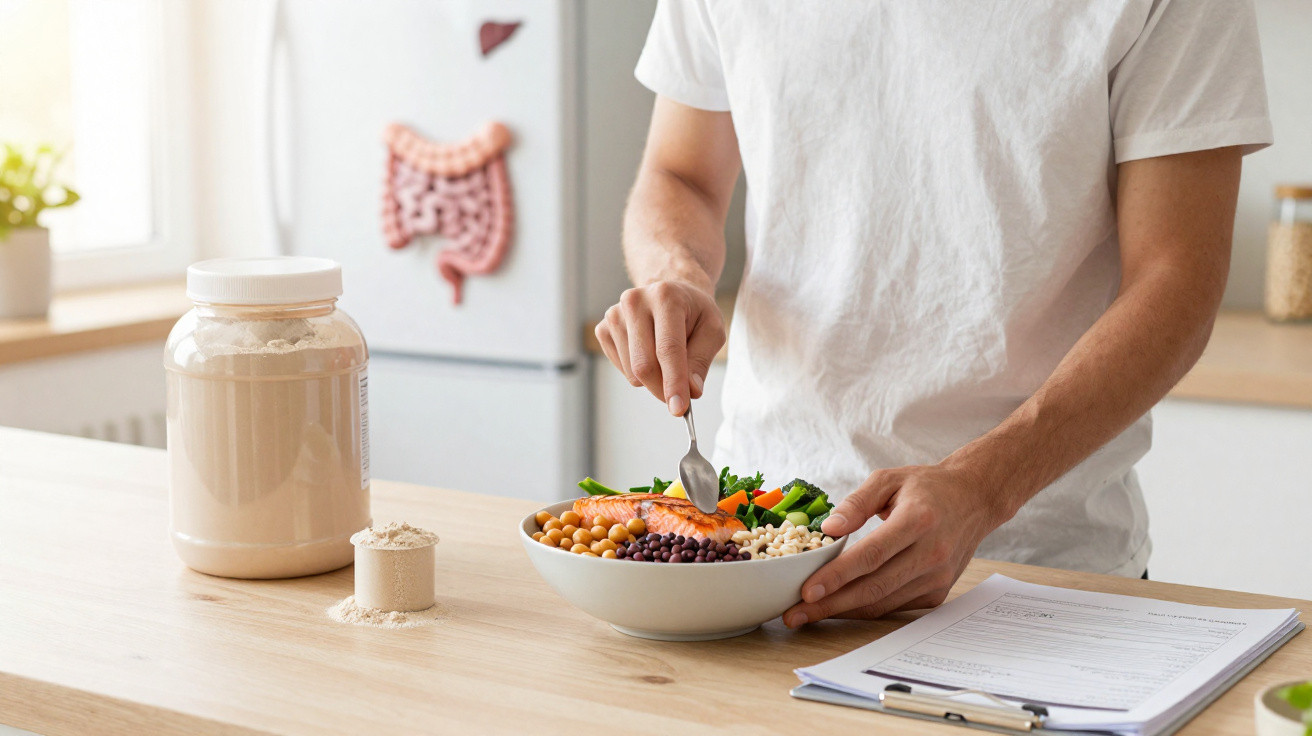
In recent years, high-protein diets and protein-rich ‘fit’ products, such as bars, yoghurts and supplements, have become popular as symbols of weight loss and muscle gain. At the same time, a quieter and less discussed trend has grown: reduced consumption of fruit, vegetables, pulses and wholegrains, the main dietary sources of fibre.
This seemingly harmless combination is concerning doctors for two closely linked reasons: the strain that excessive protein intake can place on the liver and kidneys, and the role low fibre intake may be playing in the rise in colorectal cancer diagnoses among people in their twenties and thirties.
According to estimates from Brazil’s National Cancer Institute (INCA), the country is expected to record around 53,810 new cases of colorectal cancer annually between 2026 and 2028. This already makes it the third most common type of cancer in the country, excluding non-melanoma skin tumours. More concerning than the number of cases is the changing patient profile: a disease once associated almost exclusively with ageing is now being diagnosed increasingly often in young adults.
What amount of protein is recommended?
One of the most common mistakes is to equate “more protein” with “better health”, without recognising that the body has a daily limit to how much of this nutrient it can use. For healthy adults without underlying health conditions, the World Health Organization (WHO) recommendation is around 0.8 to 1 g of protein per kilogram of body weight a day for those with a sedentary lifestyle. For physically active people, this can rise to 1.2 to 2 g per kilogram, depending on the type and intensity of activity.
“Protein intake is essential for building muscle, repairing tissue and producing hormones, but the body does not store any surplus as a valuable reserve, unlike glucose, which is converted into an energy reserve. Anything above daily requirements must be metabolised by the liver and excreted by the kidneys as urea, which can place strain on these organs if sustained over long periods,” explains Rita Simões, a nutritionist at Hospital Nove de Julho, part of Rede Américas.
Be wary of unsupervised high-protein diets
Cutting out carbohydrates and centring meals on meat, eggs, whey protein and supplements may speed up results in the short term, but it often comes with a rarely discussed side effect: a sharp fall in fibre intake, as many of these diets remove wholegrains, fruit and pulses from the menu.
“Very restrictive high-protein diets are usually low in fibre, which can contribute to constipation, alter the gut microbiota and deprive the body of one of its main protective mechanisms against intestinal diseases. For healthy people without pre-existing kidney or liver disease, there is no formal contraindication to higher protein intake, but the effects of maintaining this dietary pattern for years are still not fully understood. For that reason, personalised guidance is always the safest option,” says Lisa Saud, hepatologist at Hospital Nove de Julho.
Increase fibre intake gradually
Adding too much fibre too suddenly can cause abdominal discomfort, so it is best to increase it gradually. This can include swapping white bread for wholemeal bread, adding pulses such as beans, lentils and chickpeas to meals, leaving the skin on fruit such as apples and pears whenever possible, and including oats, chia seeds and linseeds in meals such as breakfast.
“Increasing fibre gradually, while always maintaining good water intake, allows the gut to adapt without discomfort and can bring noticeable benefits within a few weeks, including improved bowel regularity and greater fullness throughout the day,” advises Rita Simões.
Watch for signs of liver and kidney strain
Persistent tiredness, swelling, changes in urine tests and difficulty staying hydrated may indicate that protein consumption is above what the body can process in a balanced way, particularly when it is combined with low water intake.
“Without adequate hydration, the excess urea produced during protein metabolism can encourage the formation of kidney stones and place increasing strain on liver function over time. These are subtle signs that often only become noticeable once there is already some degree of organ impairment,” Lisa Saud stresses.
Do not ignore bowel symptoms, even when young
Blood in the stool, a persistent change in bowel habits, frequent cramps and unexplained weight loss should not automatically be attributed to minor dietary causes, regardless of the patient’s age. Colorectal cancer is no longer regarded solely as a disease of ageing.
“It is a type of cancer with substantial potential for prevention and early detection, particularly through healthy lifestyle habits, attention to warning signs and appropriate monitoring for people at higher risk. Maintaining a fibre-rich diet with fruit, vegetables, pulses and wholegrains, reducing processed meat, and not dismissing persistent symptoms, even in young people, are measures that make a genuine difference to prevention,” explains Luiz Araújo, regional oncology director at Rede Américas in Rio de Janeiro.
Balancing protein and fibre intake
Achieving a balance between protein and fibre intake does not require radical diets or completely giving up any food group. The most important factors are paying attention to the source and amount of food eaten each day, staying well hydrated and not treating digestive symptoms as normal simply because of one’s age.
This balance, maintained over time, helps protect the liver, kidneys and gut in the long term. It can be decisive both for people pursuing physical performance and for those who simply want to prevent disease and maintain good health.
By Bárbara Penha






Comments
No comments yet. Be the first to comment!
Leave a Comment