
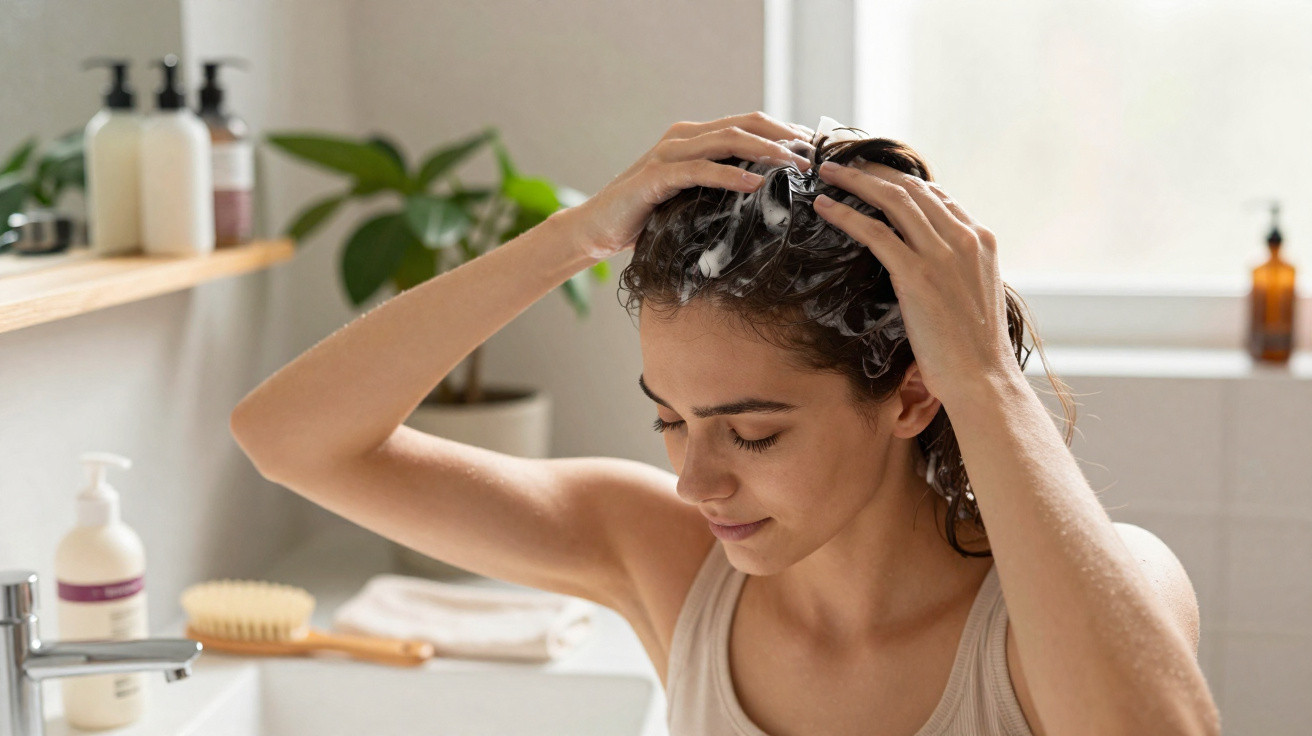
Persistent itching, oily roots just hours after washing and flaking accompanied by redness may point to more than temporary dandruff. These are common signs of seborrhoeic dermatitis, an inflammatory condition affecting the scalp that needs attention to prevent increasingly uncomfortable flare-ups.
What is seborrhoeic dermatitis?
Seborrhoeic dermatitis is an inflammatory condition that mainly develops in areas with higher oil production, including the scalp. Its most common symptoms include itching, redness, irritation and flakes that may range from fine and whitish to thicker scales.
Although it is often mistaken for poor hygiene, the condition is not caused by washing hair too infrequently. It is linked to individual factors, sebum production and the skin’s inflammatory response. As a result, some people can go for months without symptoms before experiencing further flare-ups at particular stages of life.
Why can symptoms get worse?
Flare-ups may become more severe when several triggers occur at once. Stress, hormonal changes, cold weather and using products that irritate the skin are among the factors that can worsen itching, oiliness and scalp flaking.
Another relevant factor is Malassezia, a micro-organism naturally found in the skin microbiota. In people who are predisposed to the condition, its interaction with oiliness may contribute to inflammation. This is one reason why managing dermatitis generally requires ongoing care rather than action only during flare-ups.
Which measures help control seborrhoeic dermatitis flare-ups?
Minor adjustments to your routine can ease irritation and make the scalp feel more comfortable. Product choice, water temperature and even the habit of scratching the area can affect symptom severity, particularly when the skin is already sensitive.
- Use shampoos designed to control oiliness and flaking, following professional guidance where a specific treatment has been prescribed.
- Avoid washing your hair with very hot water, as high temperatures can increase skin dryness and irritation.
- Do not scratch the scalp, because friction can cause small injuries and worsen inflammation.
- Wash your hair at a frequency that suits its oiliness to prevent an excessive build-up of sebum.
It is also important to monitor how your scalp responds to new cosmetics. Overly harsh or unsuitable products can make discomfort worse for some people. If you are prone to recurring flare-ups, keeping your routine simple and consistent is usually more helpful than changing products frequently.
Watch the video shared by the YouTube channel Dr. Claudio Wulkan: Aesthetic Dermatology Lasers, which offers tips on controlling seborrhoeic dermatitis.
When should you see a dermatologist?
Not every case of flaking requires immediate medical treatment, but some symptoms should be assessed. Severe itching, sores, pain, discharge or persistent hair loss may mean that the diagnosis needs to be confirmed and that other scalp conditions with similar symptoms need to be ruled out.
Depending on the severity of the condition, a dermatologist may advise medicated shampoos, lotions or other treatments to reduce inflammation and manage recurrences. Follow-up appointments also help establish the right frequency for using products, preventing both insufficient treatment and unnecessary overuse.
How can you keep the scalp healthy for longer?
Managing seborrhoeic dermatitis requires consistency, even when itching and flaking have disappeared. Washing hair properly, avoiding excessively hot water, reducing stress factors where possible and following a dermatologist’s advice can help reduce both the frequency and intensity of future flare-ups.
The scalp often gives warning signs before discomfort becomes severe. Therefore, do not dismiss redness, excessive oiliness or persistent flaking as normal. Pay attention to changes and care for the area from the first symptoms, particularly if flare-ups are becoming more frequent or harder to control.





Comments
No comments yet. Be the first to comment!
Leave a Comment