
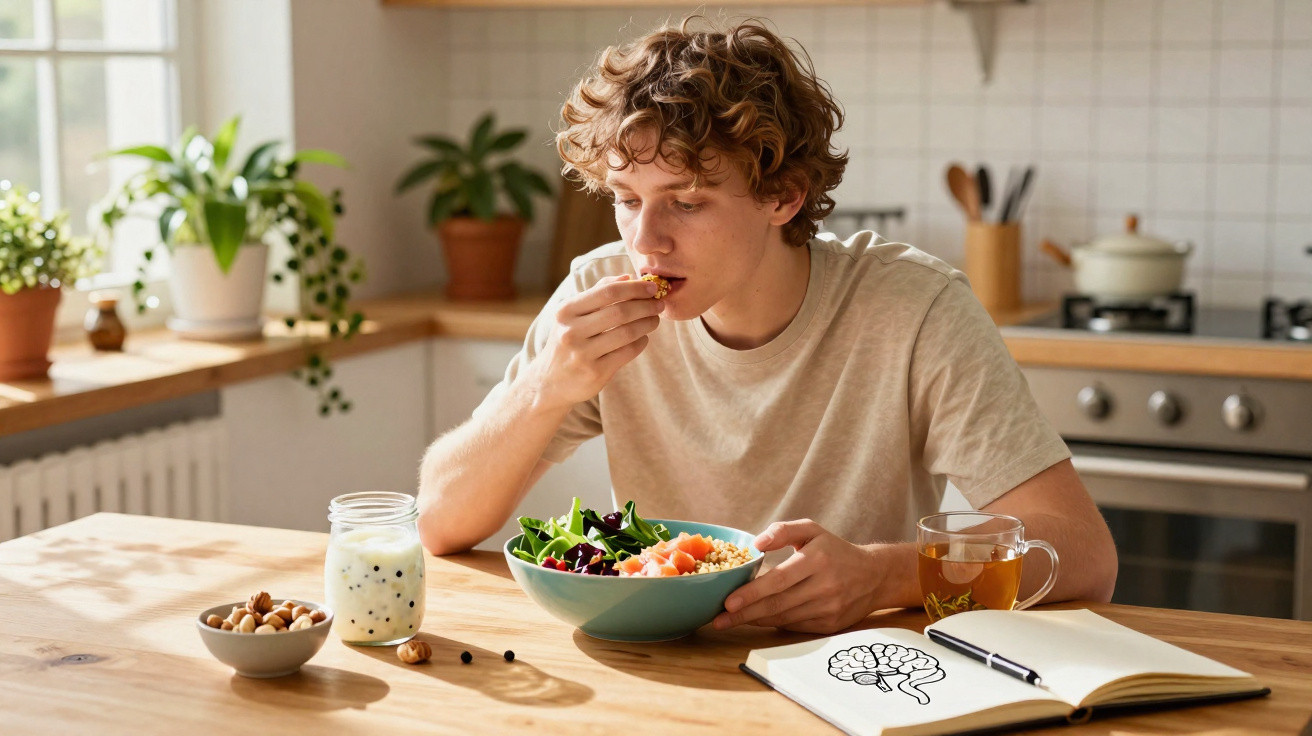
According to the 2023 Covitel survey by Umane’s Public Health Observatory, 26.8% of Brazil’s population is affected by anxiety. Nutritionist Danilo Macena believes that part of the explanation for this situation may lie in an organ rarely linked with mental health: the gut. This is where the gut–brain axis originates, a system that continuously connects the organ with the central nervous system and, according to the specialist, plays a relevant, though not exclusive, role in how the body regulates mood, anxiety and emotional wellbeing.
“The gut–brain axis is communication that takes place constantly between organs. This conversation occurs through the vagus nerve, the immune system, and hormones and substances produced by the gut microbiota,” he explains.
According to Danilo Macena, a healthy gut helps to control inflammation and contributes to the production of neurotransmitters associated with emotional balance. An inflamed gut with an imbalanced microbiota, on the other hand, is linked to increased anxiety, depression and mood changes. This is particularly significant in a country which, according to a World Health Organization (WHO) report, has Latin America’s highest prevalence of depression, with 12.7% of the population living with the condition.
What should you eat and avoid?
However, the nutritionist says that one common mistake is to demonise a single food. “No food can cause anxiety on its own. But certain dietary patterns can encourage it, such as excessive and frequent consumption of ultra-processed foods, sugar, sweets, fast food, alcoholic drinks and large amounts of caffeine in more sensitive people,” says Danilo Macena.
These foods can increase inflammation in the gut, cause rapid rises and falls in blood glucose, and disrupt the balance of the microbiota. This favours harmful bacteria over beneficial ones, a factor strongly associated with poorer mood regulation.
Conversely, a varied diet rich in natural foods can make a positive contribution. This includes fish high in omega-3 such as salmon and sardines, fruit, vegetables, pulses, nuts, fermented yoghurts containing lactobacilli, and wholegrains. “These foods provide vitamins, minerals, fibre and antioxidants that are important for the brain and the gut microbiota. There is no happiness superfood; what matters is a consistent, balanced diet,” he notes.
Emotional eating
Danilo Macena also draws attention to emotional eating: using food to ease anxiety, sadness, stress or frustration. He says that a diet low in protein and fibre may increase cravings for sweet foods, although poor sleep and chronic stress are also decisive factors.
In consultations, the nutritionist assesses mood fluctuations, sleep quality, anxiety levels and gut function together. “When these factors occur together, we often find a disorganised diet that contributes to a more serious emotional condition, and the patient does not usually recognise this connection,” he says.
Myths about diet and mental health
The specialist is keen to challenge common beliefs repeatedly seen on social media and in consultations. These include the idea that a single food can raise serotonin enough to treat anxiety or depression; that chocolate “cures” depression; that bananas substantially increase serotonin; or that supplements and intravenous therapy can replace medical treatment.
“No food or supplement alone can resolve a mental disorder. Nutrition is an important tool, but it forms part of a much broader treatment,” he stresses.
This warning carries greater weight in light of the figures: according to the WHO, depression and anxiety together cost the global economy around US$1 trillion each year, while mental disorders are already the world’s second leading cause of long-term disability. For diagnosed conditions, Danilo Macena advocates multidisciplinary care, with a nutritionist, psychologist and, where necessary, psychiatrist working in complementary roles.
Habits that support wellbeing
For anyone wishing to take action today, the nutritionist summarises his guidance in three pillars: eat real food for most meals, include good sources of lean protein at every meal, and drastically cut back on ultra-processed foods and sugary drinks.
“If a person also improves their sleep and does physical exercise, it is common to notice greater energy and more stable moods within just a few weeks. Mental health does not depend on one food; it is built every day through a combination of healthy habits,” concludes Danilo Macena.
By Enzo Tres






Comments
No comments yet. Be the first to comment!
Leave a Comment