
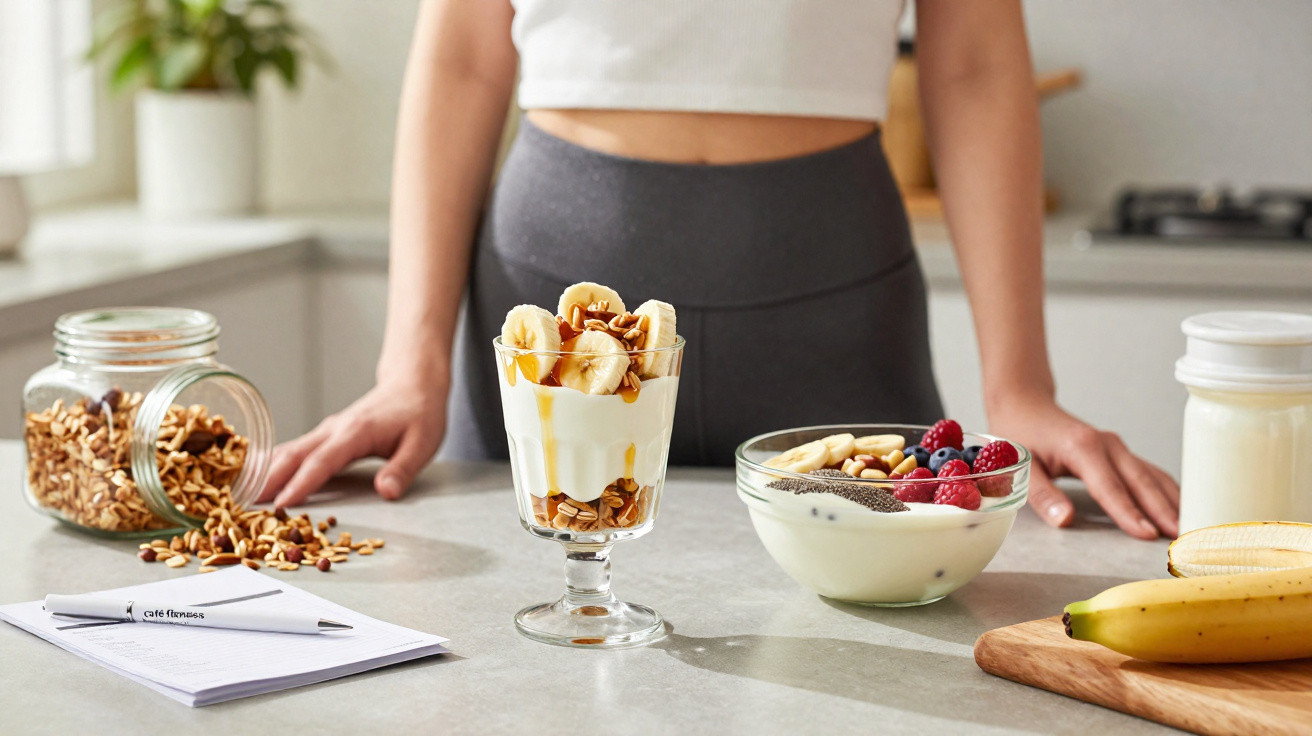
The creamy pot of Greek yoghurt, neatly arranged banana slices and crunchy granola has become the ultimate symbol of a “clean” start to the day. Yet what looks like the healthiest possible choice on Instagram proves far more complicated on closer inspection – for both the body and the environment.
Why this breakfast is so popular
The image is everywhere: a white bowl filled with smooth yoghurt, golden oat clusters and a few nuts, finished with half a banana – the completed “healthy breakfast”. Many people choose it instead of a bread roll, croissant or cereal, hoping it will keep them full for longer while also helping with weight management.
At first, the reasoning appears sound: protein from the yoghurt, potassium and vitamins from the banana, and “natural” energy rather than sugar-laden bakery products. In reality, however, the picture is often different – particularly when you look closely at which products actually end up in the pot and how large the portions are.
Depending on its ingredients, a yoghurt and banana pot can resemble a dessert more than a balanced meal – with corresponding consequences for blood sugar, fullness and calorie intake.
Greek yoghurt: a protein source with a catch
Greek yoghurt is regarded as a protein powerhouse and a filling food. That is only true of the traditional, heavily strained version, which has a high protein content and a moderate fat level. On supermarket shelves, though, you will usually find something rather different:
- Authentic Greek yoghurt (strained, plain): around 146 kcal per 200 g, approximately 20 g of protein and under 4 g of fat.
- “Greek-style yoghurt”: around 150 kcal for just 150 g, about 12 g of fat and only roughly 5 g of protein.
Because the packaging looks similar, many shoppers accidentally pick the second option. Protein then falls, while fat and calories rise considerably. Add honey, sweetened granola, chocolate drops or fruit preparations, and the nutritional profile soon enters dessert-pot territory.
Hidden sugar and the “dessert effect”
A typical everyday pot might contain:
- 150–200 g of flavoured, sweetened Greek-style yoghurt;
- 2–3 tablespoons of crunchy granola;
- one medium banana;
- a spoonful of honey on top.
This can quickly add up to more than 400 kcal, with a substantial proportion coming from readily available sugars and saturated fats, while fibre remains relatively low. As a result, hunger often returns much sooner than expected.
There is also an environmental impact to consider: producing one kilogram of Greek yoghurt generates around 1.3 kilograms of acidic whey as a by-product. If it is not processed, it can harm waterways because it consumes a great deal of oxygen. If the yoghurt has also been transported from abroad, longer supply routes increase emissions further.
Banana at breakfast: a quick energy boost
Bananas are thought to keep you full for a long time and make an ideal start to the day. Nutritionally, they do offer plenty: a medium banana contains roughly 23 to 25 grams of carbohydrates, much of which is sugar. Sugars account for around a quarter of the fruit’s weight.
When a banana – especially one that is ripe and sweet – is eaten first thing alongside already sweet yoghurt, blood sugar rises rapidly. When it drops again, the familiar mid-morning energy slump can follow. Anyone having only a small yoghurt portion and skipping bread or oats will generally feel hungry well before lunchtime.
Sensitive stomachs and environmental pressures
People with sensitive stomachs may know the issue: fruit on an empty stomach can worsen heartburn or cause an unsettled feeling. Bananas do not affect everyone this way, but together with tangy yoghurt, the combination can sit uncomfortably in the upper stomach for some people.
There is an environmental side, too. Bananas may seem like an everyday, harmless fruit, but they are tied to a vast global production system. Large plantations in countries such as Ecuador, Costa Rica and Colombia are closely associated with:
- forest clearance;
- intensive use of pesticides and fungicides;
- pressure on soil and waterways.
On average, every banana travels thousands of kilometres by cargo ship before reaching the fruit bowl. With billions of fruits exported, the cumulative impact is substantial.
Turning the yoghurt and banana pot into a genuinely good breakfast
There is no need to remove a yoghurt and banana pot from your diet entirely. A few adjustments can turn this calorie trap into a far more balanced meal that is still quick to prepare and enjoyable to eat.
1. The base: increase protein, reduce sugar
- Choose plain varieties: Opt for plain yoghurt or authentic plain Greek yoghurt without sugar or flavouring.
- Keep protein in mind: Aim for around 15–20 g of protein at breakfast. This is easily achieved with 200 g of Greek yoghurt or 250 g of low-fat quark.
- Add flavour yourself: Vanilla from the pod, cinnamon or a little unsweetened cocoa all add taste without a sugar spike.
2. The banana: reduce the portion and combine it wisely
Banana does not have to be removed, but it should be more of an accent than the main ingredient:
- use half a banana rather than a whole one;
- make up the remaining fruit portion with locally grown fruit, such as berries, apple pieces, pear or plums, depending on the season;
- pair the banana with fibre-rich ingredients to reduce sharp blood-sugar fluctuations.
3. Toppings that add value rather than a sugar hit
Packaged granola may sound healthy, but it often contains plenty of sugar and vegetable fats. Homemade mixes or straightforward basic ingredients are a much better choice:
- 2–3 tablespoons of oats as a fibre-rich, filling base;
- 1 tablespoon of nuts or almonds for unsaturated fats;
- 1 tablespoon of seeds, such as linseed, chia or sunflower seeds;
- for a crunchy finish, toast oats in the oven with a little water and cinnamon, using sweetener sparingly.
If you are already using flavoured yoghurt, avoid adding extra honey or syrup – otherwise the sugar content can quickly double.
What a truly filling breakfast can look like
A simple table can provide some guidance. It shows the difference between a typical social-media pot and an improved version:
| Version | Ingredients (simplified) | Likely effect |
|---|---|---|
| Trend pot | 150 g of sweetened Greek-style yoghurt, 1 banana, 3 tablespoons of sweet granola, 1 tablespoon of honey | rapid blood-sugar rise, early fatigue, a high proportion of calories from sugar and fat |
| Revised bowl | 200 g of plain Greek yoghurt, ½ banana, 1 handful of berries, 3 tablespoons of oats, 1 tablespoon of nuts, 1 tablespoon of seeds | longer-lasting fullness, steadier blood sugar, more fibre and protein |
Better for the body – and somewhat fairer to the planet
Rethinking breakfast slightly can ease the burden not only on your metabolism but also on the environment. A few practical approaches include:
- have banana as an occasional addition rather than every day;
- choose seasonal, locally produced fruit more often;
- favour yoghurt products made locally with transparent labelling;
- keep portion sizes realistic – an overflowing pot rarely offers an advantage.
If you are unsure whether breakfast is truly sustaining, test it in daily life: if the meal keeps you satisfied for four hours without cravings or dips in energy, the balance of protein, fat and fibre is generally working well. If the energy slump arrives after only an hour and a half, it is worth reviewing the amount of fruit, the yoghurt’s sugar content and the quantity of complex carbohydrates.
Greek yoghurt and banana are not inherently “bad” foods. They become problematic mainly when served in oversized portions, heavily sweetened and promoted alone as a supposed miracle morning meal. Used instead as components of a balanced plate, they can still provide creaminess and sweetness – just with considerably fewer pitfalls for the body and the climate.






Comments
No comments yet. Be the first to comment!
Leave a Comment