
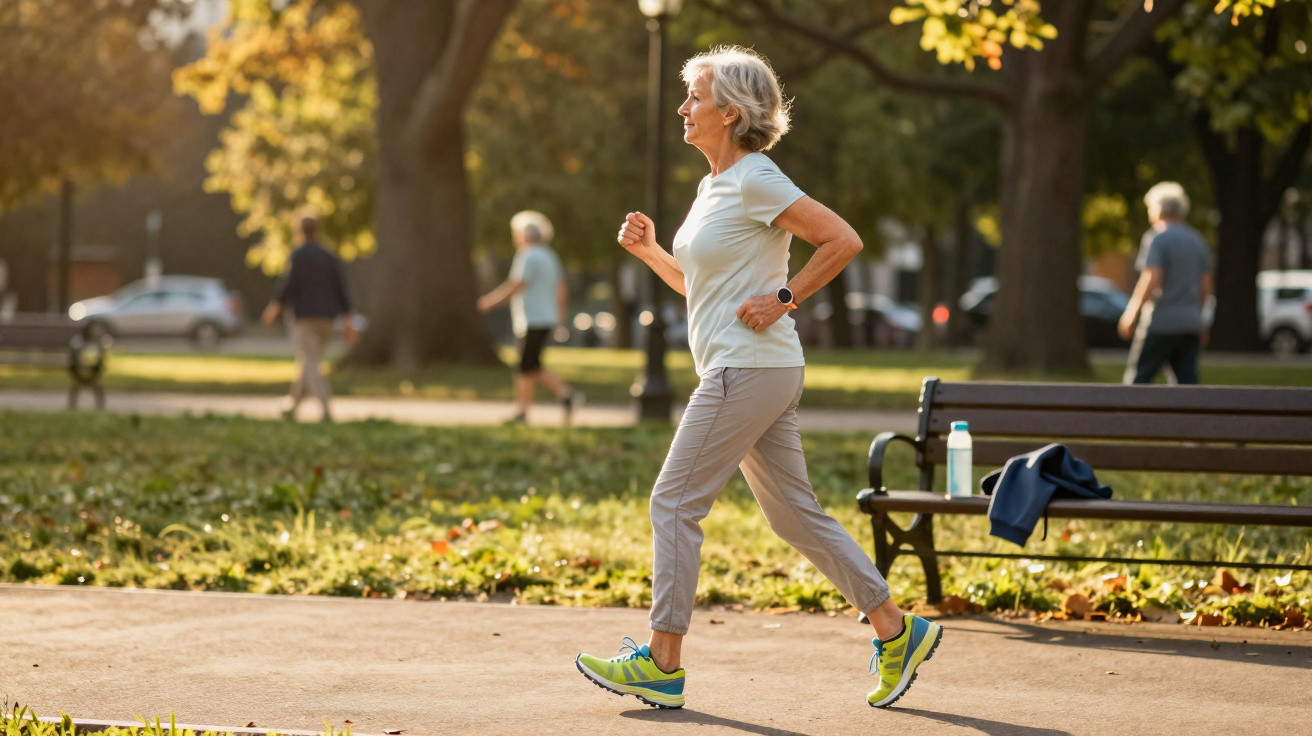
More and more older people say that brisk walking has noticeably strengthened their bodies, helped them lose weight and made their minds feel clearer. There is no need for extreme exercise or expensive kit: simply a clear plan, some confidence and a pace of around 6 km/h. Although it may sound minor, research and personal accounts suggest this everyday habit can be an unexpectedly effective health programme.
Why 6 km/h can make such a difference
Everyone walks, whether to the bakery, the station or while taking the dog out. Increasingly, however, specialists draw a clear distinction between a leisurely stroll and purposeful brisk walking. Several studies indicate that walking at between 5 and 8 km/h stimulates the metabolism far more than ambling along, while still being gentle on the joints.
“Walking at roughly 6 km/h gets the heart and circulation going without overtaxing the body – making it particularly suitable in retirement.”
In an account shared by a service provider for retirees in Brittany, one older man described walking at about 6 km/h on almost every day for two months. He was not aiming for peak performance; he wanted to make progress without pain. By the end, he weighed less, wore smaller clothing sizes and said: “I just want to move forward without injuring myself.”
What older people report from brisk walking
Fewer kilos and better nights
One retired man sums up his progress in striking terms: down two clothing sizes, no more night-time calf cramps and substantially more energy. Rather than following a spectacular fitness regime, he kept to a straightforward routine: covering a route at a brisk pace almost every day instead of taking only the occasional gentle walk.
Another man says brisk walking replaced his frustration with the gym. Steep climbs are now an established part of his route. When he walks up the same hill three times in succession, he can feel his leg muscles working – and says he feels “years younger”.
Several readers aged over 60 describe similar habits:
- An 80-year-old completes 6 km every day in around an hour.
- Another man has walked between 15 and 20 km a day for six months and lost around 15 kilos.
- A 64-year-old has walked about 12 km at a lively pace three to four times a week for several years.
They are not elite athletes, but “perfectly ordinary” people who have consistently extended and quickened their everyday walking routes.
A clearer mind and less everyday stress
The benefits do not end with weight and muscle strength. One woman says she thinks more clearly after every fast walk and finds it easier to remember things. She feels more mentally alert. Another calls brisk walking her personal anti-stress tool: she breathes more freely, sleeps more peacefully and feels more balanced during the day.
“When walking briskly, many retirees feel not only their legs but also their minds breathing more easily – movement acts like a small reset button.”
What studies say about brisk walking in later life
These personal experiences are consistent with international research. One study published in the National Library of Medicine followed women over 60 who had previously been largely inactive. They completed a programme of brisk walking for around 150 minutes a week over six months. Their endurance improved considerably, everyday journeys became easier and stairs were less of an obstacle.
The long-term health findings are even more compelling. A meta-analysis found that people walking at a faster pace, from around 6 km/h, reduced their risk of Type 2 diabetes by almost 40 per cent compared with slow walkers. Pace appears to provide an important metabolic stimulus: the body processes sugar more effectively and insulin sensitivity improves.
Further analyses from major observational studies reach similar conclusions. Regular brisk walking is closely associated with:
| Factor | Observed effect |
|---|---|
| Cardiovascular risk | Fewer heart attacks and strokes |
| Life expectancy | Lower mortality over many years |
| Metabolism | Fewer cases of diabetes |
| Everyday fitness | Greater walking capacity and less exhaustion |
Even short sessions deliver measurable benefits. Walking briskly for at least 15 minutes a day lowers the risk of early death by around a fifth, regardless of the age at which someone starts.
How retirees can reach a pace of 6 km/h
For many people, 6 km/h initially sounds daunting. In reality, a few practical approaches can make this pace easier to achieve than expected.
Practical tips for getting started
- Take shorter walks, but make them brisk: 20 minutes of fast walking is preferable to an hour of strolling.
- Use the arms actively: Swing them with a slight bend at the elbow; this steadies the torso and naturally increases pace.
- Step beyond the comfort zone: You should still be able to speak, but no longer chat effortlessly.
- Wear suitable shoes: Comfortable, cushioned trainers reduce pressure on the knees and hips.
- Make use of inclines: Hills or bridges make the workout more demanding without requiring a sprint.
Anyone unsure about starting can begin with intervals: walk slightly faster for three minutes, then slow down for two. After a few weeks, most people can noticeably extend the faster sections without their pulse or breathing becoming unmanageable.
How brisk walking differs from a gentle stroll
From the outside, the two may look alike, but much more is happening inside the body during brisk walking. Heart rate rises, breathing quickens and muscles work more dynamically. The body uses more energy even when the distance remains exactly the same.
“There may be only a few minutes per kilometre between strolling and brisk walking – but the difference for the heart, circulation and figure is considerable.”
At the same time, walking remains kind to the joints. Impact forces are considerably lower than when jogging, which is particularly important for people with osteoarthritis, excess weight or hip problems. Many older people who experience pain as soon as they run tolerate brisk walking remarkably well.
Risks, limits and useful additions
Anyone who has been barely active for a long time should discuss starting with their GP, especially if they have heart problems, severe breathlessness or diabetes. Beginning too ambitiously can lead to problems with tendons, knees and the Achilles tendons. It is better to increase distance gradually and avoid pushing to the limit every day.
Adding a few simple strengthening exercises, for example for the core and leg muscles, is also worthwhile. This helps stabilise walking and offers protection against falls. Many people combine brisk walks with:
- gentle exercises at home
- a few minutes of stretching after their walk
- taking the stairs rather than the lift
Those who prefer company can join a walking group. A regular appointment and light conversation along the way can provide motivation to go out even in poor weather. Apps or basic pedometers can help track pace and show progress – a small but effective incentive, particularly in retirement.
The mental effect is also notable. Many older people report that their daily brisk walk has become a kind of ritual: a brief period just for themselves, when phones, appointments and worries fade into the background. This combination of physical stimulus and mental respite is what makes brisk walking such a surprisingly powerful health habit – without a gym or equipment, yet with noticeable results after only a few weeks.





Comments
No comments yet. Be the first to comment!
Leave a Comment