
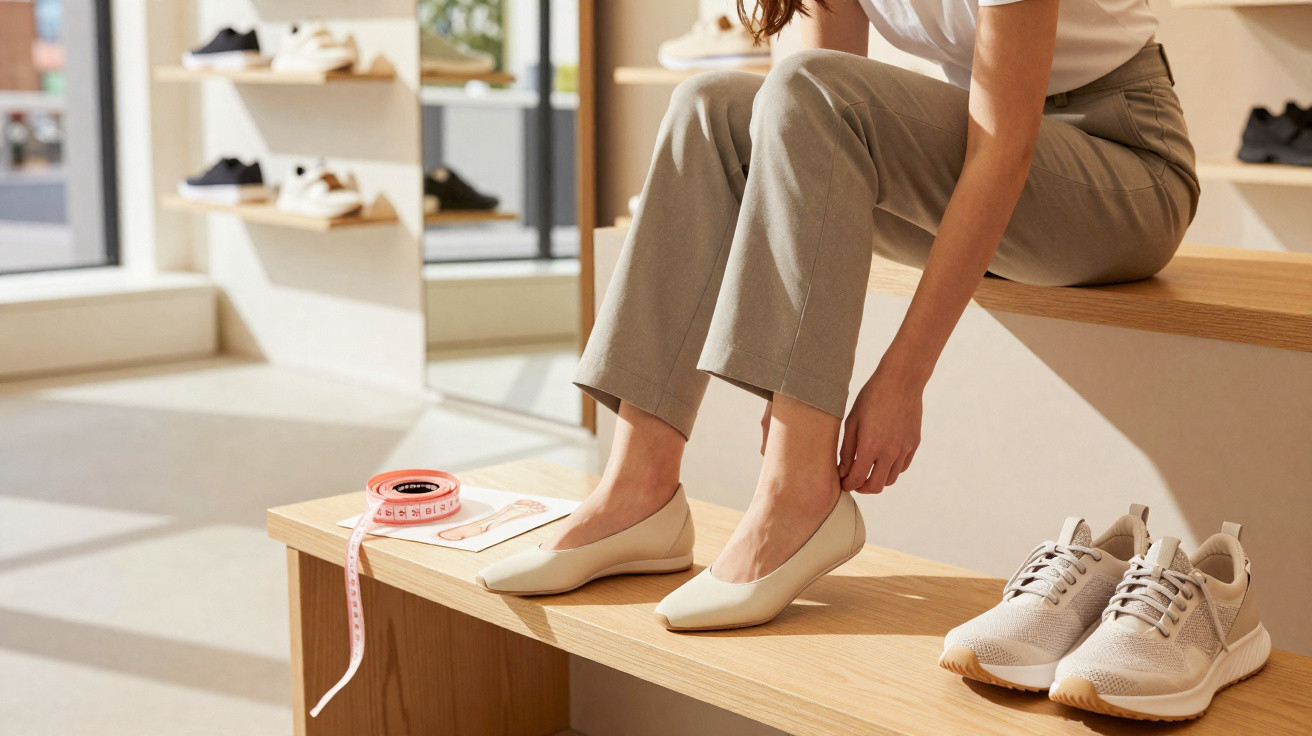
More and more videos on TikTok, Instagram and other platforms feature futuristic-looking sneakers that make the foot appear to “shrink”. Fashion fans love the effect, while orthopaedic specialists are less convinced. But what is really behind the designs that wrap around the foot like a second skin, and how great is the risk to joints, toes and ligaments?
Why everyone suddenly wants narrow-looking feet
For years, bulky dad trainers and substantial soles dominated street style. Comfortable, oversized and conspicuous: the more shoe there was, the better. Now fashion has swung in the opposite direction. Social media is full of before-and-after clips showing how simply changing footwear can transform an entire silhouette.
The focus is on a streamlined foot with a tapered toe, which makes the leg look longer. Influencers demonstrate how the same person can look “stumpy” in broad, conventional trainers, yet appear to have a delicate foot shape in the new close-fitting styles.
Wanting feet to look dainty is nothing new, but the trend has become more intense. It is no longer enough for the foot simply to fit comfortably inside a shoe: it is expected to look as small and slim as possible. That demand is pushing footwear brands towards increasingly aggressive fits and materials.
“The aesthetic effect is enormous – but the body often pays the price for the trend.”
High-tech knitwear rather than leather: what makes these sneakers different
This trend is driven by more than design alone; it also relies on newer footwear technology. Rather than traditional leather or thick canvas uppers, many brands use tightly woven, stretchy fabrics such as mesh and knit. These materials hug the foot closely, almost like a compression sock.
Where conventional trainers add visible bulk through stitching, tongues, reinforcements and multiple layers, these designs strip everything back to a minimum. The upper sits directly against the skin without hard transitions. The result is less volume, smoother lines and a noticeably slimmer overall appearance.
Up to 1.5 centimetres “lost” – an optical trick with a real effect
Studies from Italy indicate that, depending on the design, the perceived width of a foot can be reduced by around 1 to 1.5 centimetres. That may not sound like much, but it has a strong visual impact, particularly with narrowly cut trousers or skirts.
The effect works on several levels:
- Barely visible seams, meaning the foot is not visually divided up
- Monochrome colours that make the foot appear as one continuous shape
- Light compression that genuinely reduces its circumference slightly
- Narrow toe boxes that taper to a point or almond shape
Together, these details create the impression of an elegant, narrow foot that visually lengthens the leg. For anyone who feels their feet are too wide or bulky, it can seem like a small magic trick – without any Photoshop.
Styling trick: how trousers enhance the effect
Those wanting to maximise the lengthening effect should choose cropped trouser lengths. The following work particularly well:
- Cropped trousers ending just above the ankle
- 7/8-length jeans with a slim or straight leg
- Slightly shortened tailored trousers with a close-fitting hem
The principle is that a slim-looking foot is paired with a visible, slender ankle, which the eye interprets as length and lightness. If a long, wide trouser leg covers the shoe, the entire effect is lost and the proportions may even start to look odd.
Very wide cuts, such as cargo trousers or flares, have only limited compatibility with delicate sneakers. They can quickly make the foot disappear, as though something is “missing” at the bottom.
When the trend feels tight: what compression does to the body
This is the key concern: to produce a dramatic slimming effect, many of these shoes fit extremely tightly. Stretchy uppers compress the foot and keep it under continuous tension. Wearing them briefly is rarely a problem, but regular everyday use can be.
Typical risks include:
- Restricted toe movement with every step
- Excess strain on the joints because there is insufficient support at the sides
- Misalignments, such as worsening hallux valgus, caused by ongoing pressure
- Numb toes due to mildly compressed nerves and blood vessels
Because the upper often provides very little support, the foot can roll inwards or outwards more easily while walking. The ankle and knee muscles can compensate for this for a while, but anyone walking in this way for many hours every day risks painful overuse.
“The combination of compression and a lack of lateral stability makes many of these ‘sock sneakers’ problematic for health.”
Why toes need space – even in fashionable sneakers
During a normal step, the foot expands slightly in width. The toes spread out to help us maintain balance. If this room to move is restricted repeatedly, the body attempts to adapt, often in unfavourable ways.
Toe joints can twist, the big toe can move inwards, and neighbouring toes may be forced upwards or downwards. These changes do not simply disappear once the shoes are changed. Many orthopaedic problems develop gradually over years, triggered by toe boxes that are too narrow and too rigid.
What to look for when buying these sneakers
There is no need to avoid these styles altogether. However, anyone wishing to protect their feet should inspect a few details more closely before buying.
| Criterion | What to look for |
|---|---|
| Forefoot area | Sufficient height and width, allowing the toes to move |
| Material tension | The upper may hug the foot, but must not constrict it |
| Lateral stability | Gentle support on the inner and outer sides, with no “rolling over” while walking |
| Sole | Adequate cushioning; not completely flat and thin |
| Wearing time | Alternate shoes for day-to-day use rather than wearing the same pair every day |
Many experts recommend styles with a reinforced toe box, often described as a “Box Toe” or something similar. This construction gives the toes room while also protecting them from pressure and knocks, while allowing the rest of the shoe to remain slim and flexible.
Warning signs you should take seriously
The body generally gives a warning before lasting damage develops. It is worth paying close attention to these signs:
- Tingling or numbness after only a few hours of wear
- Pressure marks along the outer edge or at the ball of the foot
- Dull pain in the ankles or knees after walks
- A toe that is visibly aligned differently from before
If any of these signals occur, the shoes should only be worn for short periods – or, preferably, left in the wardrobe altogether. Many orthopaedic practices report that patients connect their complaints to their choice of footwear only at a very late stage.
How fashion and foot health can coexist
The simplest protection is variety. Wearing different shoe shapes and materials spreads the strain more effectively. A day in close-fitting trend sneakers followed by a day in shoes with a wide toe box and a stable sole gives muscles and ligaments some variation too.
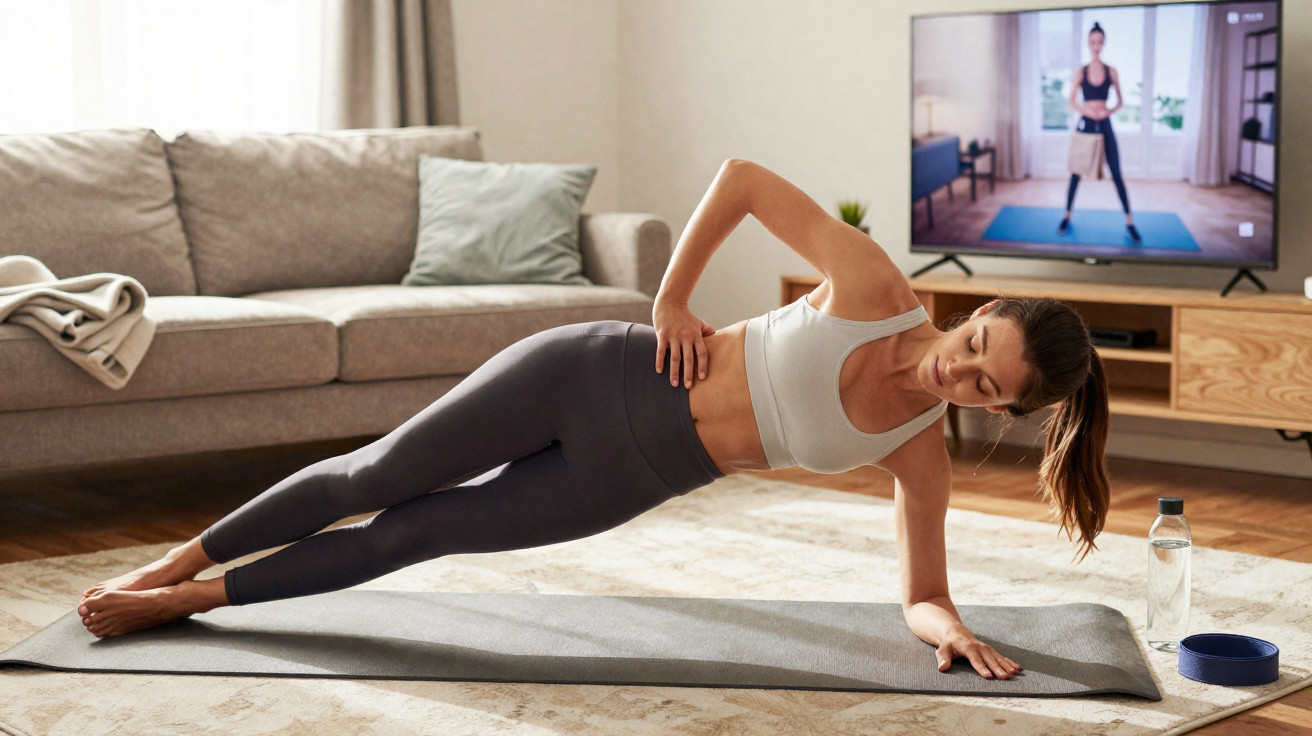
Small foot exercises can also help, including spreading the toes, picking up a towel with the toes, or walking barefoot across different surfaces. These short routines strengthen muscles that modern footwear often leaves passive.
Ultimately, the question is how much visual “reduction” your joints are worth. Anyone who wears a favourite pair deliberately and in moderation can follow the trend without taking an unnecessary risk with their health. What matters is not one individual shoe, but what your feet have to cope with day after day.




Comments
No comments yet. Be the first to comment!
Leave a Comment