
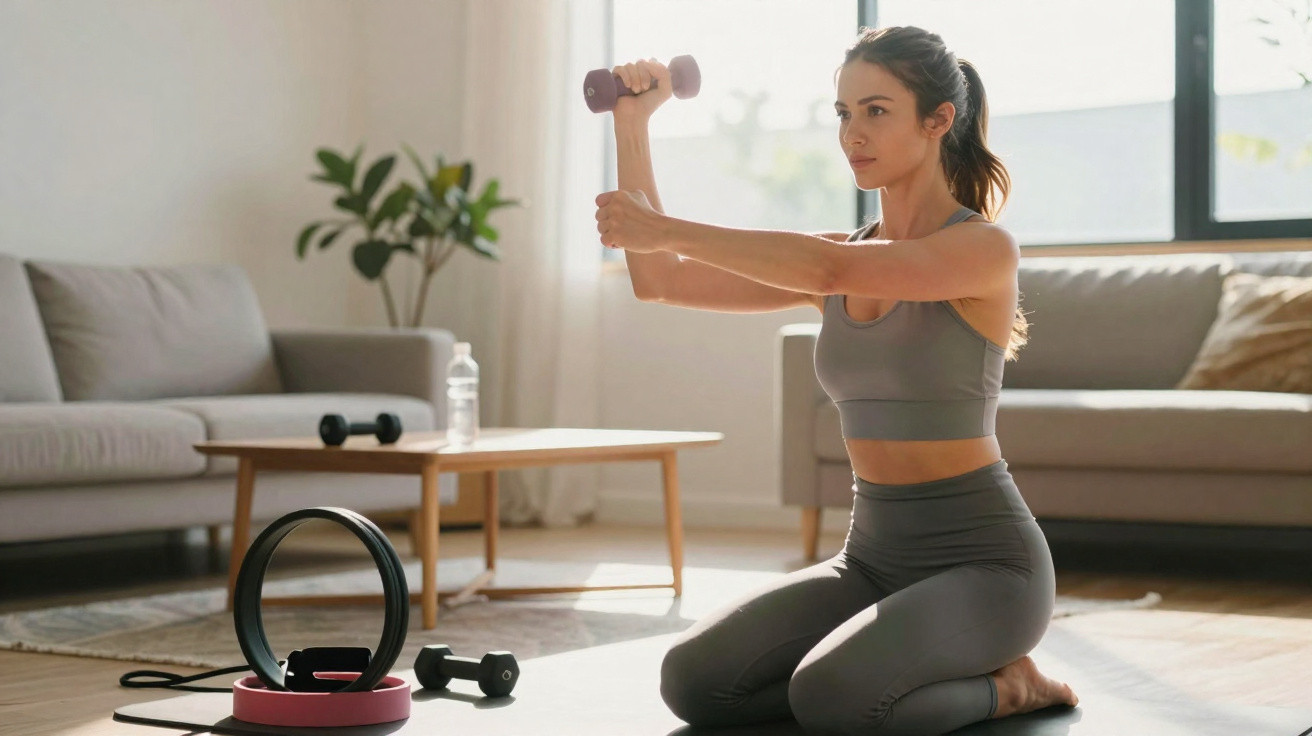
The search for firm, defined arms often leads many people to include a variety of physical activities in their daily routine. While integrative disciplines provide excellent benefits for body posture, targeting the so-called bingo-wing muscle requires highly focused and frequent stimulation.
How does Pilates support upper-limb strengthening?
This practice delivers effective overall muscle strengthening through controlled, mindful movements. Its exercises use body weight or specialised springs to create healthy resistance, improving flexibility and the stability of the upper-body joints.
However, achieving ideal tone in the back of the arms calls for localised overload, which the discipline cannot always provide in isolation. Adding targeted training can speed up aesthetic results, helping to create muscles that are visibly firmer and healthier.
The main benefits of varying physical stimuli include:
- Flexibility: Improves the full range of everyday joint movements.
- Endurance: Increases the ability to handle light loads with ease.
- Posture: Naturally aligns the spine throughout the day.
- Toning: Keeps the skin and muscles firm and rejuvenated.
- Balance: Builds complete body stability during more complex activities.
Why is strength training essential for tackling flaccidity?
Physical Education recognises strength training as the most efficient way to build lean mass quickly. During resisted contractions, the muscle fibres receive direct stimulation, filling the space created by the natural loss of collagen.
Adults over the age of thirty can benefit greatly from this approach, as it counteracts the natural weakening of this structure. This localised stimulus creates long-lasting firmness, improving the skin's appearance and giving it a much more refreshed look.
Below is a video from the Gazeta Hub YouTube channel that explores the points discussed in this topic in greater depth:
What is the best exercise for the triceps brachii?
The triceps extension stands out as the ideal movement for safely isolating this rear section. It works directly on the area responsible for the aesthetic concern and is essential for anyone wanting to reduce a flabby appearance.
Triceps focus
Effective isolation
Correct movement activates all three heads of the rear muscle.
Practising consistently delivers the desired firmness without complications.
Including this exercise in a weekly routine speeds up definition and visibly enhances the appearance of the upper limbs being trained. Consistency in the stimulus supports continuous progress, allowing functional goals to be reached with maximum efficiency.
Here are the main variations recommended for a daily plan:
- Dumbbell extension: Ideal for controlling the balance of each arm separately.
- Cable triceps press-down: Maintains constant tension throughout the movement.
- Skull crusher: An excellent option performed lying on a comfortable flat bench.
How can you structure an effective arm workout at home?
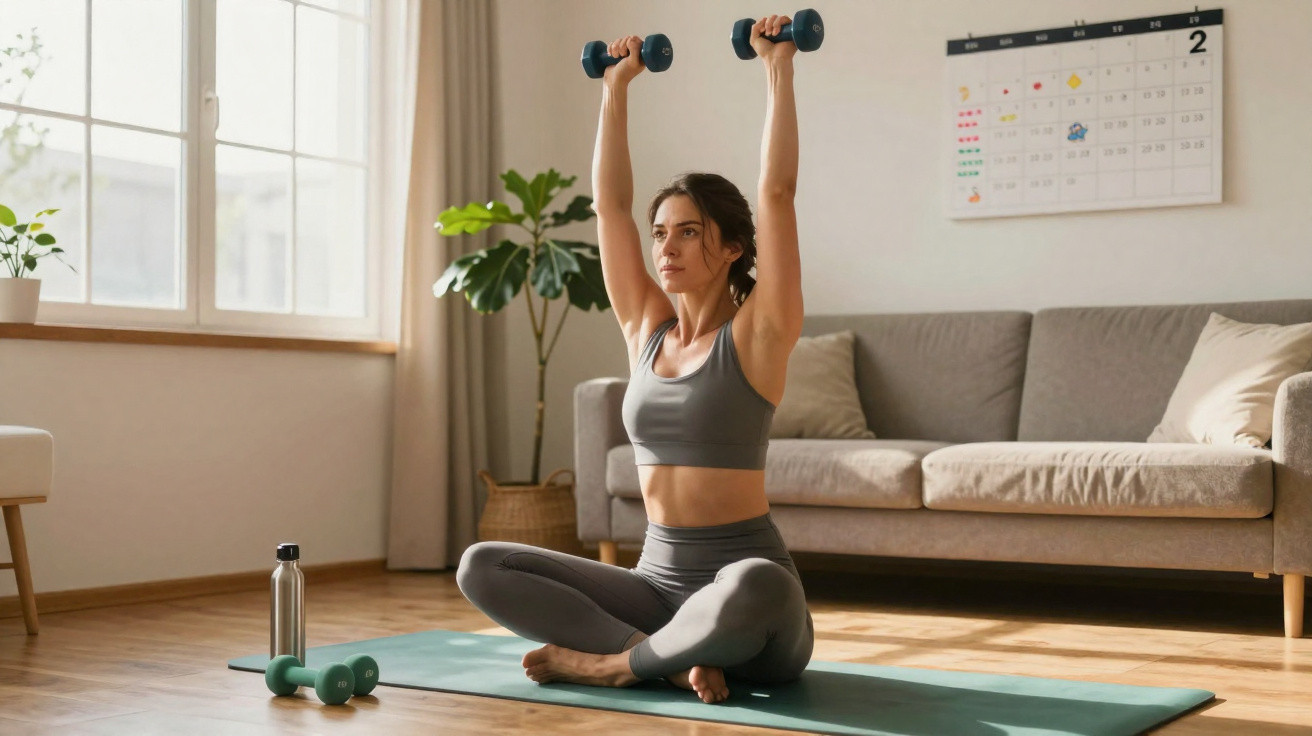
Creating a practical routine requires only a few basic accessories or smart use of available body weight. Adapting your home environment for exercise adds convenience, removing common excuses linked to a lack of free time to work out.
The key to successful home training lies in precision of execution and proper control of rest periods between sets. Keeping your posture aligned prevents unnecessary injuries, ensuring lasting aesthetic benefits and genuinely safe body strengthening for everyone.
These are the essential precautions for independent training:
- Prior warm-up: Prepares the elbow and shoulder joints before exertion.
- Controlled tempo: Perform movements slowly to feel the muscles working.
- Consistent hydration: Keep drinking water regularly throughout the activity.
What are the benefits of consistency in strength training?
Regularity in training stimuli produces profound physiological adaptations that transform body composition in a lasting way. Muscles exposed to an organised routine respond with greater skin firmness, helping to prevent unwanted tissue sagging over the years.
Beyond the clear visual improvement, building strength enhances functional capacity and protects against premature joint wear. Staying active supports healthy ageing, promotes overall wellbeing and provides remarkable vitality for completing any daily task.
Read also: Does practising Pilates help with toning? Professionals reveal the ideal exercise for arm flaccidity

Comments
No comments yet. Be the first to comment!
Leave a Comment