
Many people take up Pilates to tone their bodies, but professionals say there is one particular movement that delivers results… Read more
The desire for firmer arms after the age of 30 often keeps many women away from conventional gyms. While group classes offer excellent initial benefits, specialists say that tackling sagging effectively requires the right stimulation of the triceps muscle.
Why is dance not enough to firm the arms?
Regular dance sessions burn calories and improve women’s cardiovascular fitness in an enjoyable way. However, this aerobic activity does not provide the overload needed for deep strengthening, so it falls short when it comes to reducing the bothersome appearance of an arm with excessive sway.
Without suitable resistance work, the muscle fibres at the back of the arms gradually lose their natural firmness over the years. Reversing this tissue-ageing process requires combining dynamic activities with effective training aimed at building localised strength.
Below are the main factors that set group activities apart from targeted strengthening routines:
- Less mechanical overload on the upper limbs;
- No isolated movements for the rear area;
- Too much emphasis on calorie burning rather than hypertrophy.
Which exercise do specialists recommend most confidently?
French specialists indicate that specific extension movements outperform general workouts when the aim is to firm the upper limbs. Performing this exercise with focus directly engages the muscles at the back of the arms, creating the tension needed to restructure the skin and address severe sagging.
By applying this stimulus in isolation, you ensure that the target muscle produces all the force without assistance from other joints. This smart approach speeds up the aesthetic results women seek, helping them achieve defined arms through practical exercises in their everyday routine.
Below is a video from ELLE’s YouTube channel that explores the points discussed in this topic in greater depth:
How can you perform a triceps extension correctly at home?
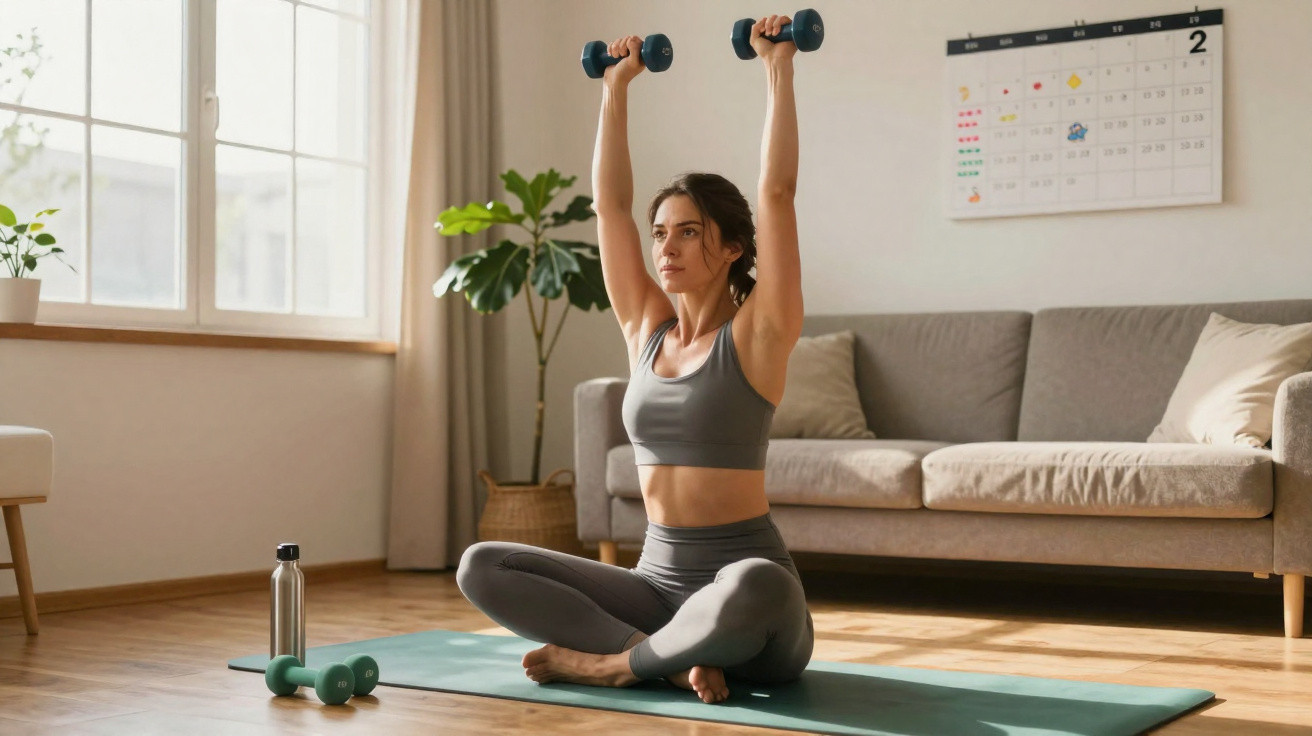
To begin safely, hold the weight with both hands and raise the dumbbell over your head. Keep your elbows aligned and close to your ears as you lower it, making sure that only your forearms perform the intended movement.
Focus on lifting the weight until your arms are fully extended, without allowing your elbows to flare out. Controlling the pace of every repetition enhances the effects on the muscles and helps prevent injuries, making this straightforward exercise a powerful at-home ally against sagging.
Essential kit for firmer arms
Equipment and posture
To carry out the exercise as effectively as possible at home, check these three points:
- Dumbbells at a weight suited to your current level;
- A mirror to check your elbow alignment;
- An upright posture with your abdomen fully engaged.
What are the advantages of training with dumbbells?
Dumbbells offer extensive freedom of movement that guided machines cannot reproduce. This independence lets you make the anatomical adjustments needed to accommodate physical limitations, creating a far safer stimulus for your joints during daily training.
Free weights also demand greater activation of stabilising muscles to maintain bodily balance. This additional requirement improves overall body awareness and increases energy expenditure, making home sessions highly effective for building muscle firmness and reducing fat in the upper limbs.
The main benefits that free weights bring to your home exercise routine include:
- Balanced development in both arms;
- Ongoing stimulation of fine motor coordination;
- Easy load progression as you improve.
How can you stay consistent with light training after the age of 30?
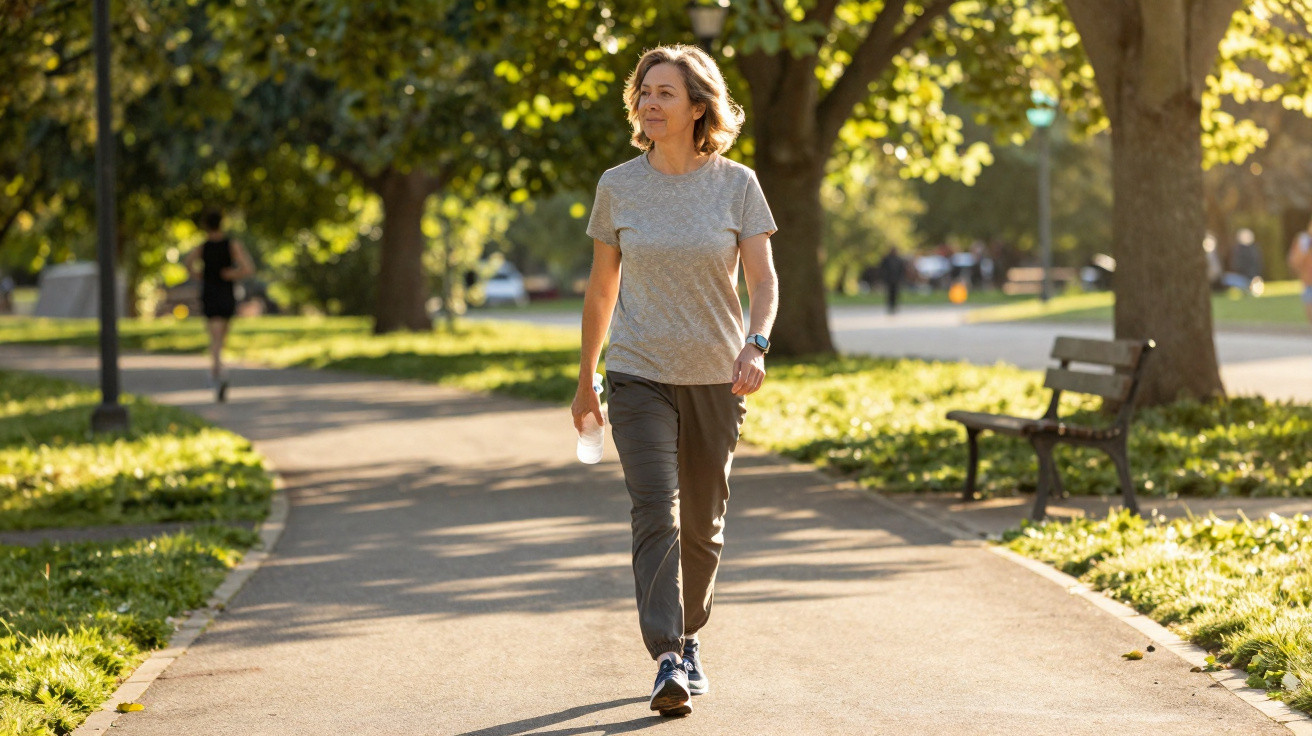
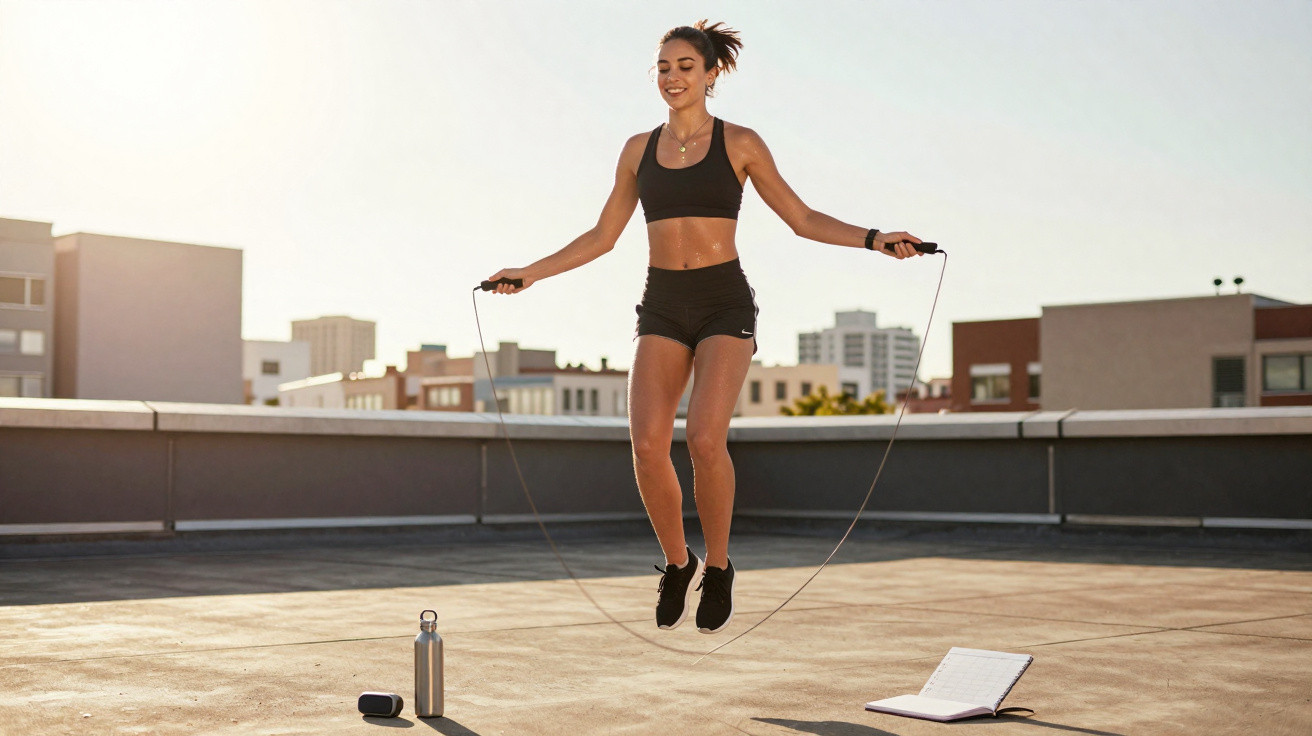
Creating a realistic routine is the most important step in ensuring that training continues week after week. Rather than doing lengthy sessions, aim for a few minutes of moderate-intensity practice each day, allowing your body to adapt naturally to this new healthy habit.
Over time, the muscles at the back of the arms will respond to frequent stimulation and become much firmer. Celebrating every small aesthetic improvement encourages you to continue, establishing strengthening work as an essential part of your long-term health and wellbeing.


Comments
No comments yet. Be the first to comment!
Leave a Comment