
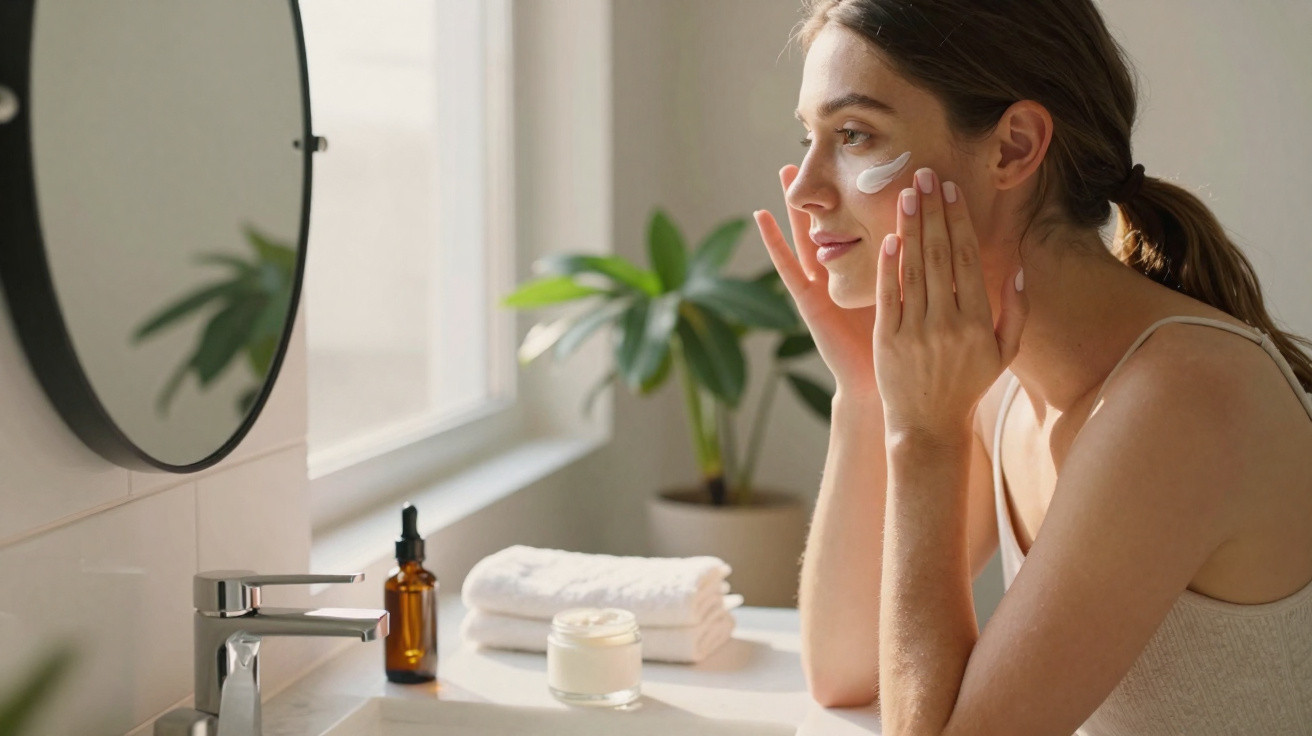
Facial moisturiser is frequently included in the everyday skincare advice given by aestheticians in clinics and practices. In a basic skincare routine, it is recommended alongside a suitable cleanser and sunscreen, forming an essential trio that helps keep the face balanced and protected from daily aggressors, including for oily and combination skin.
Why is facial moisturiser important in a daily routine?
The primary purpose of a facial moisturiser is to maintain the skin’s water balance. Its formulations generally bring together humectants, emollients and occlusives, which work in combination to prevent dryness, tightness and a dull-looking complexion after cleansing.
Used daily, moisturiser helps support the skin barrier, limiting water loss and reducing sensitivity to external factors. This can result in a more even texture, less flaking, a lower tendency towards irritation and a smoother surface for applying make-up or other facial treatments.
Watch a video on Dr Marina Hayashida’s YouTube channel about choosing the best type of moisturiser for the face and keeping the skin’s protective barrier healthy:
How does facial moisturiser help prevent dryness and fine lines?
The amount of water in the outer layers of the skin directly affects how expression lines appear. When the face is dehydrated, fine creases around the eyes, mouth and forehead become more noticeable because the skin surface loses elasticity and flexibility, making it look more tired.
Regular use of a facial moisturising cream replenishes moisture and lipids, helping the skin feel more supple and look rested. For mature skin, consistent hydration can soften the appearance of fine lines and tiny fissures, complementing other dermatologist-recommended care without replacing it when more advanced signs of ageing are present.
How to choose the ideal facial moisturiser for every skin type
Selecting the best facial moisturiser depends on skin type, any sensitivities and even the climate where a person lives. Unsuitable formulas may lead to excessive shine, a heavy feeling or irritation, discouraging continued use and affecting the results of the routine.
To make the choice easier, aesthetic professionals usually assess particular skin characteristics and recommend the most appropriate textures and active ingredients:
- Oily or acne-prone skin: oil-free gel, gel-cream or serum formulas that absorb quickly, with ingredients such as lightweight hyaluronic acid, niacinamide and sebum-regulating agents.
- Combination skin: lotions or gel-creams that provide hydration without feeling heavy while controlling shine, particularly in the T-zone.
- Dry skin: richer creams containing emollients, ceramides, plant butters and non-comedogenic oils to strengthen the protective layer.
- Sensitive skin: minimalist formulas without fragrance or irritating alcohol, focused on panthenol, allantoin, thermal water and soothing ingredients.
- Mature skin: products that combine intensive hydration with peptides, hyaluronic acid of different molecular weights and antioxidant vitamins.
How to apply facial moisturiser correctly every day
How a moisturiser for the face is applied can affect its performance. Skin should be clean and slightly damp, as this helps humectant ingredients work effectively. Use enough to cover the face evenly, while avoiding excess that could leave residue or a sticky finish.
A straightforward sequence is often effective: cleanse with a suitable face wash, use a toner or facial mist if desired, apply moisturiser with gentle movements from the centre outwards and from the bottom upwards, then finish with facial sunscreen in the morning. Following this routine twice a day helps stabilise the skin, reduces shifts between dryness and reactive oiliness, and creates a healthier base for long-term aesthetic treatments.






Comments
No comments yet. Be the first to comment!
Leave a Comment