
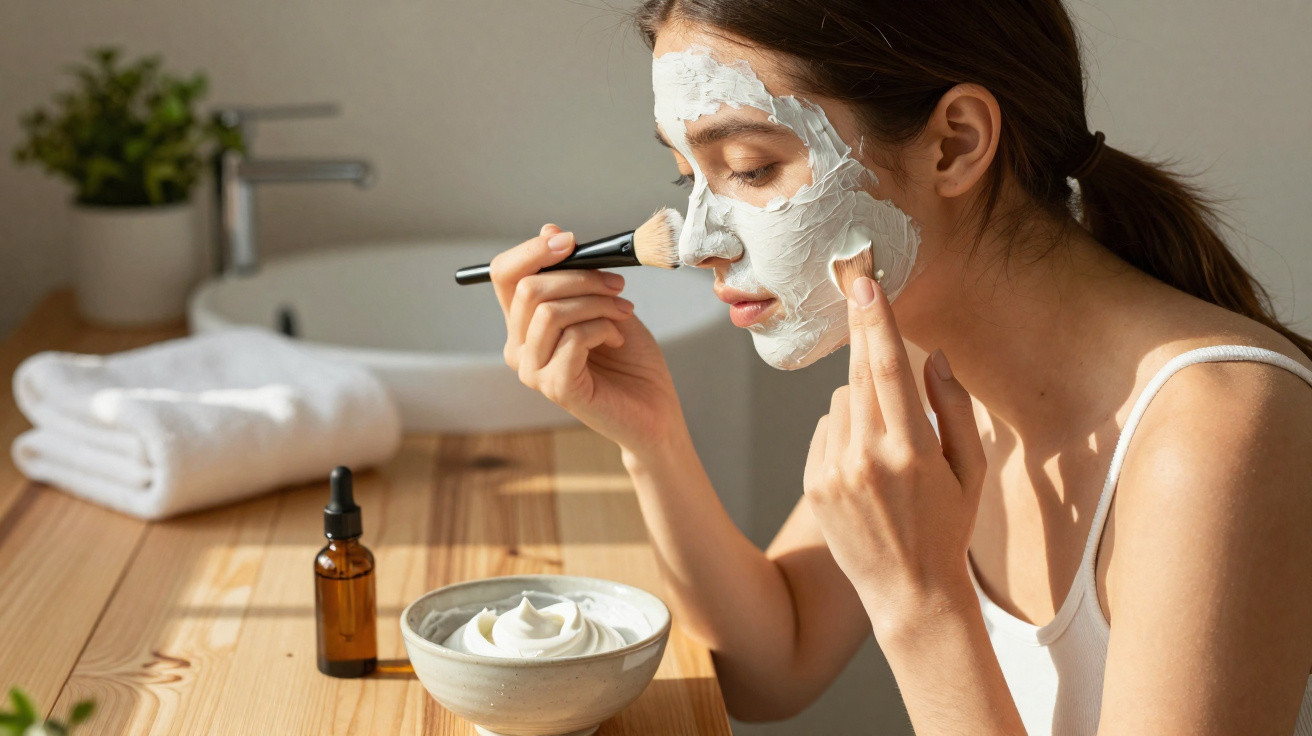
Looking after facial appearance at home has become an essential habit for reviving the skin’s glow in a practical way. Using natural ingredients can deliver striking results in softening everyday marks and achieving radiant, healthy luminosity.
What are the main benefits of white clay for the face?
White clay stands out as an excellent choice for people with sensitive skin or unwanted blemishes. This natural mineral has a high aluminium concentration, which is responsible for providing a powerful brightening effect on the face.
As well as working directly to reduce dark pigmentation, it can be highly effective in managing excess oil. Its gentle action deeply cleanses without causing aggression, making it ideal for maintaining balance in your skincare routine.
The main minerals and colour variations most effective for self-care are listed below:
- White clay: Recommended for brightening blemishes and for sensitive skin.
- Golden clay: Rich in silicon and ideal for stimulating collagen in mature skin.
- Pink clay: An ideal blend for soothing extremely sensitised skin or skin with rosacea.
- Green clay: Has an astringent, drying action aimed at acne control.
- Black clay: A pure volcanic option that promotes a powerful facial detox effect.
How should you prepare a homemade clay mask correctly?
The preparation uses a very straightforward ratio, similar to cooking everyday rice. Mix one measure of mineral powder with two measures of liquid, creating a paste with the right consistency for application to the skin.
To dissolve the product safely, purified mineral water or standard saline solution is recommended. This combination cleanses and deeply hydrates the skin tissue, enhancing the natural nutrients that restore the glow of the face.
Below, watch the video from the Gazeta Hub YouTube channel, which demonstrates every stage of the mixing process in detail:
What is the secret to stopping the mask from dehydrating the skin?
The key while using it is to prevent the mixture from drying completely on your face. When the mineral fully hardens on the skin, it can draw out natural moisture, creating an unwanted dehydrating effect on the surface.
Golden Tip
Using Thermal Water
Spritzing thermal or mineral water while the mask is working helps extend the period in which beneficial nutrients are exchanged.
This simple technique prevents excessive tightness and ensures the minerals penetrate the skin effectively and gently.
For the best performance, apply generously thick layers across the entire area. This substantial thickness retains moisture for longer, allowing the exchange of nourishing substances without compromising the protective barrier.
The key recommendations for optimising application time are:
- Leave the mask on for fifteen to twenty minutes.
- Watch the areas that start to feel tight first.
- Remove it immediately if it dries excessively.
How should cleansing be done before and after the procedure?
The initial cleansing stage requires thoroughly cleaning the skin with a cleanser suited to your skin type. Removing built-up residue and sunscreen ensures that pores are completely clear to receive the action of the nutrients.
For final removal, the best option is to use plenty of warm water while showering. Using a soft sponge in gentle circular motions provides light exfoliation, lifting away all of the product without causing irritation to the area.
The essential aftercare measures following this at-home procedure are:
- Avoid applying the product around the eye area.
- Use tinted sunscreen immediately after removal.
- Keep the powder sachets tightly sealed and dry.
What is the ideal frequency recommended by specialists?
The recommended frequency for applying the mask is once or twice a week at most. Maintaining this disciplined routine makes it possible to achieve excellent long-term results, keeping the skin renewed and visibly bright in appearance.
If your skin is undergoing intensive exfoliating dermatological treatments with strong acids, the recommendation changes to soothing variations. In these specific situations of high sensitivity, pink clay can soothe the skin and reduce any inflammation on the surface.
Also read: Correct use of green clay on the face and its traditions




Comments
No comments yet. Be the first to comment!
Leave a Comment