
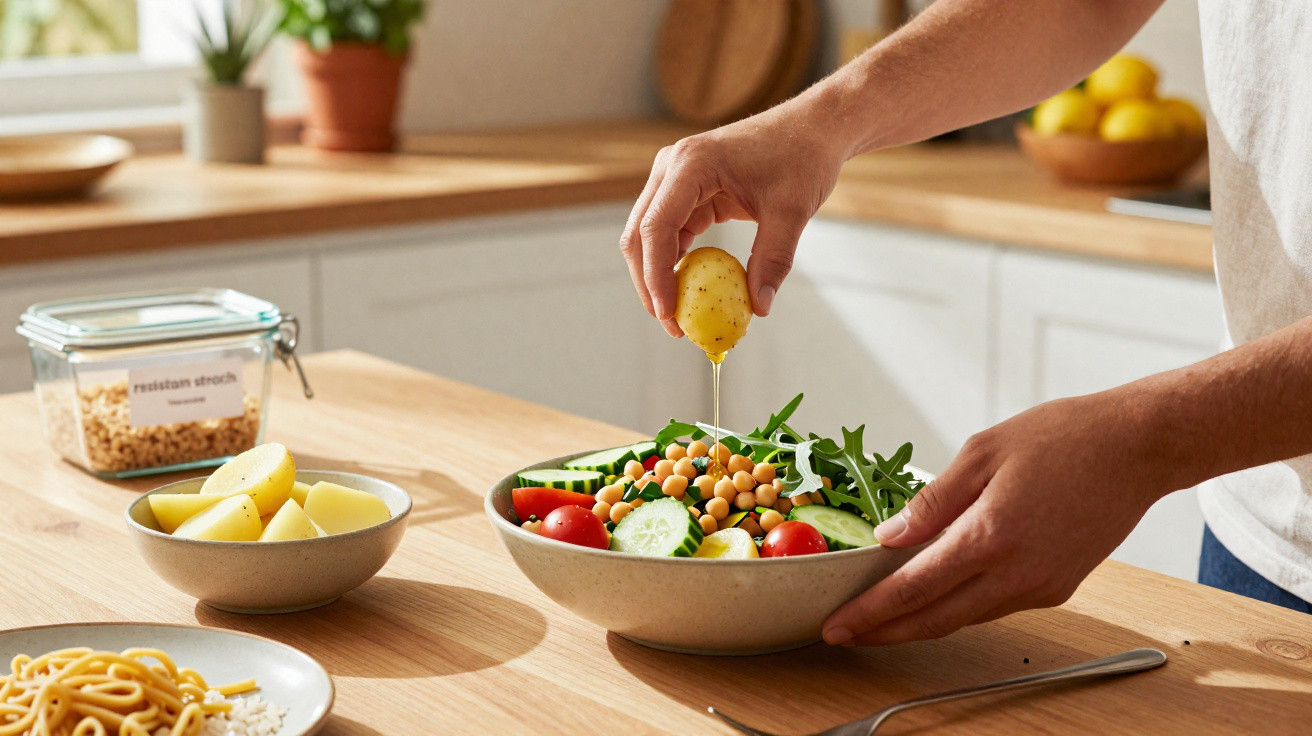
When putting together a salad, many people instinctively reach for rice or pasta – yet there is a far lighter filling ingredient that we have almost forgotten about.
Anyone aiming to eat more mindfully in spring and summer will soon arrive at the “salad bowl”: some leafy greens, colourful diced vegetables, a little protein – and, naturally, a carbohydrate-rich ingredient to make it filling. Pasta or rice usually go into the bowl without a second thought. Nutrition experts point out, however, that there is a traditional kitchen staple which contains fewer calories, keeps you full for longer and can do far more in a salad bowl than it is often given credit for.
The lightest filling ingredient compared: rice, pasta – and the outsider
Rice and pasta are considered standard accompaniments. Both provide energy, pair well with vegetables and can be prepared in advance. From a nutritional perspective, they are similarly placed too.
- Cooked rice: approximately 100–120 kcal per 100 g
- Cooked pasta: approximately 100–120 kcal per 100 g
- Cooked potatoes: approximately 70–80 kcal per 100 g
The surprise is that the humble potato sits well below both rice and pasta in calorie terms – particularly when it is simply boiled in water or steamed. This straightforward method of cooking makes it an ideal component of a light yet satisfying salad meal.
At around 80 calories per 100 grams, the cooked potato is one of the lightest filling ingredients for a wholesome salad bowl.
Why potato salad is not automatically a calorie bomb
For many people, potatoes immediately bring to mind chips, fried potatoes or the rich mayonnaise potato salad served at a barbecue. It is hardly surprising that their reputation for being “too heavy” has persisted. Yet the issue is rarely the potato itself; it is almost always the preparation method.
A few examples:
- Deep-frying: The potato absorbs oil, sending its calorie count soaring.
- Mayonnaise salad: The dressing contributes considerably more fat and energy than the potato.
- Cheese sauce and cream: Creamy additions turn a light filling ingredient into a heavy meal.
By contrast, boiling, steaming or oven-cooking potatoes with very little fat, then allowing them to cool, creates something entirely different: light, filling, versatile – and perfect for a creative salad bowl that does not immediately go to your hips.
Nutritional profile: why potatoes are more than “just carbohydrates”
Potatoes provide more than starch. Depending on the variety and preparation, 100 grams of cooked potato contains, among other nutrients:
| Nutrient | Typical contribution | Benefit |
|---|---|---|
| Fibre | approximately 1.5–2 g | Supports digestion and promotes lasting fullness |
| Vitamin C | up to 20 mg | Supports the immune system and cell protection |
| B vitamins | various B vitamins | Important for nerves and energy metabolism |
| Potassium | rich source | Plays a role in blood pressure regulation |
In addition, the particular combination of starch, fibre and volume makes potatoes especially filling. Even a moderate serving provides a long-lasting feeling of fullness – an important benefit for anyone wishing to maintain their weight or reduce it gradually without constantly thinking about food.
Even better chilled: the science behind “resistant starch”
An interesting effect occurs when cooked potatoes are allowed to cool again. Some of their starch recrystallises, and this portion is known as “resistant starch”.
Cooled potatoes can support digestion because some of their starch acts like fibre and provides food for gut bacteria.
Resistant starch passes through the small intestine largely undigested and reaches the large intestine, where it is broken down by the gut microbiome. Studies suggest that this can:
- support greater diversity in gut bacteria,
- moderate the rise in blood sugar after a meal,
- prolong fullness.
This is precisely why a salad made with pre-cooked, cooled potatoes is particularly suitable for an office lunch: it keeps blood sugar steadier and helps avoid the familiar afternoon slump after a heavy meal.
How potato salad becomes a light power bowl
The combination is what matters. With a few simple changes, this traditionally hearty side dish can become a modern, light bowl that easily holds its own against pasta salads – sometimes with a considerably lower calorie content.
The basic formula for a balanced potato bowl
- Filling base: Cooked and cooled potatoes
- Vegetables: Plenty of raw vegetables, such as cucumber, peppers, tomatoes, radishes or carrots
- Protein: For example, boiled egg, chicken breast, tuna, tofu or chickpeas
- Fats: A modest amount of good-quality oil, nuts, seeds or avocado
- Flavour: Fresh herbs, mustard, lemon juice, vinegar, pepper and spices
A dressing made with plain yoghurt, mustard and a little olive oil provides creaminess without blowing the calorie balance. The result is a salad bowl that satisfies without sitting heavily in the stomach.
Specific ideas for light potato salad recipes
Here are three versions that are easy to prepare ahead and keep well in the fridge for one to two days:
- Mediterranean potato and vegetable salad: Cubed potatoes with cherry tomatoes, cucumber, red onion, olives, a little feta, and a dressing of olive oil, lemon juice and oregano.
- Protein bowl with egg: Sliced potatoes with green beans, boiled eggs, rocket, mustard dressing and chopped walnuts.
- Vegan herb bowl: Cubed potatoes with peppers, sweetcorn, spring onions, parsley, chives, and a dressing of rapeseed oil, apple cider vinegar and a little soya yoghurt.
Who potato salads are particularly suited to
Replacing rice or pasta with potatoes is especially worthwhile for people who:
- want to lose weight or maintain their weight,
- often eat at the office and want to remain productive in the afternoon,
- experience digestive problems and would like to include more fibre,
- want to make their diet more nutrient-rich without complicated cooking.
Potato salad can also be appealing for people who exercise: it supplies readily available carbohydrates, plenty of micronutrients and can be perfectly adapted to training plans with extra sources of protein.
What to bear in mind with potatoes nevertheless
Despite their many benefits, there are a few points worth keeping in mind:
- Skin and green parts: Green patches or heavily sprouted potatoes contain solanine and should be thrown away.
- Cooking method: Use as little fat as possible when cooking, otherwise the calorie advantage disappears.
- Portion size: Even light filling ingredients provide energy. A serving of approximately 150–200 g of cooked potatoes fits well into a meal for most people.
Anyone who is sensitive to starch-rich foods should ideally begin with smaller amounts in their bowl and see how well their stomach and gut tolerate them. Pairing them with plenty of vegetables and drinking enough fluids throughout the day provides additional support for digestion.
Why it is worth looking at your salad bowl differently
In many kitchens, potatoes have the image of heavy home cooking – entirely unfair when they are served plain, boiled and well combined. In a modern salad bowl, they offer a pleasantly soft texture, make you feel satisfied quickly and remain comparatively low in calories.
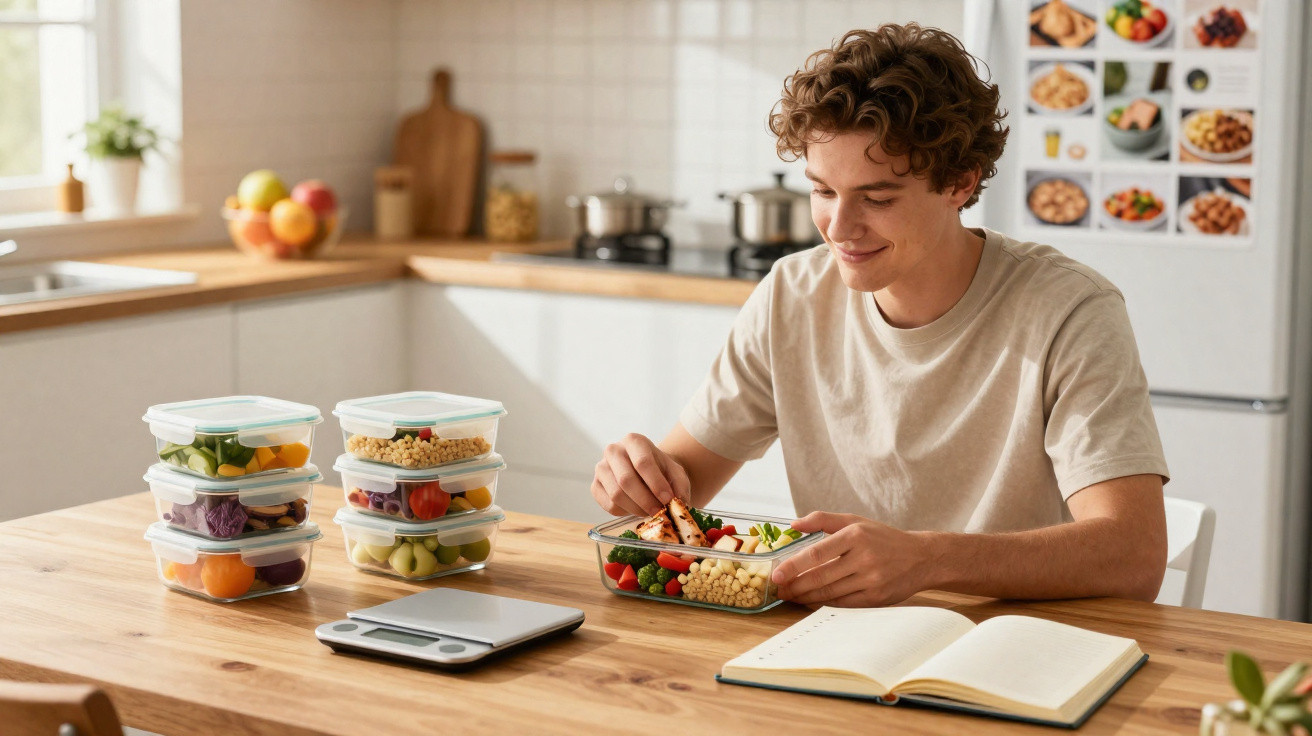
Anyone who has previously prepared rice or pasta automatically can simply put a portion of potatoes in the pan for their next meal prep. Once cooled in the fridge, they can go into a lunch box and provide surprisingly light yet remarkably sustained fullness at the office – exactly what many people need in a hectic daily routine.





Comments
No comments yet. Be the first to comment!
Leave a Comment