

First comes your friend’s selfie after eight weeks at boot camp. Then there is the bloke from the gym, all V-shape and veins across his biceps. Somewhere between them is your own reflection from this morning: still a little puffy, with jeans that pinch slightly. It stings. Only a little, but enough to notice. You zoom in on someone else’s photo, looking for their flaws, and somehow end up finding fresh ones in yourself. The day has barely started, yet you already feel both “too much” and “not enough”. At that point, a quiet but fairly brutal calculation begins in your mind. And it never comes out in your favour.
Why body comparison is louder in your mind than any fitness coach
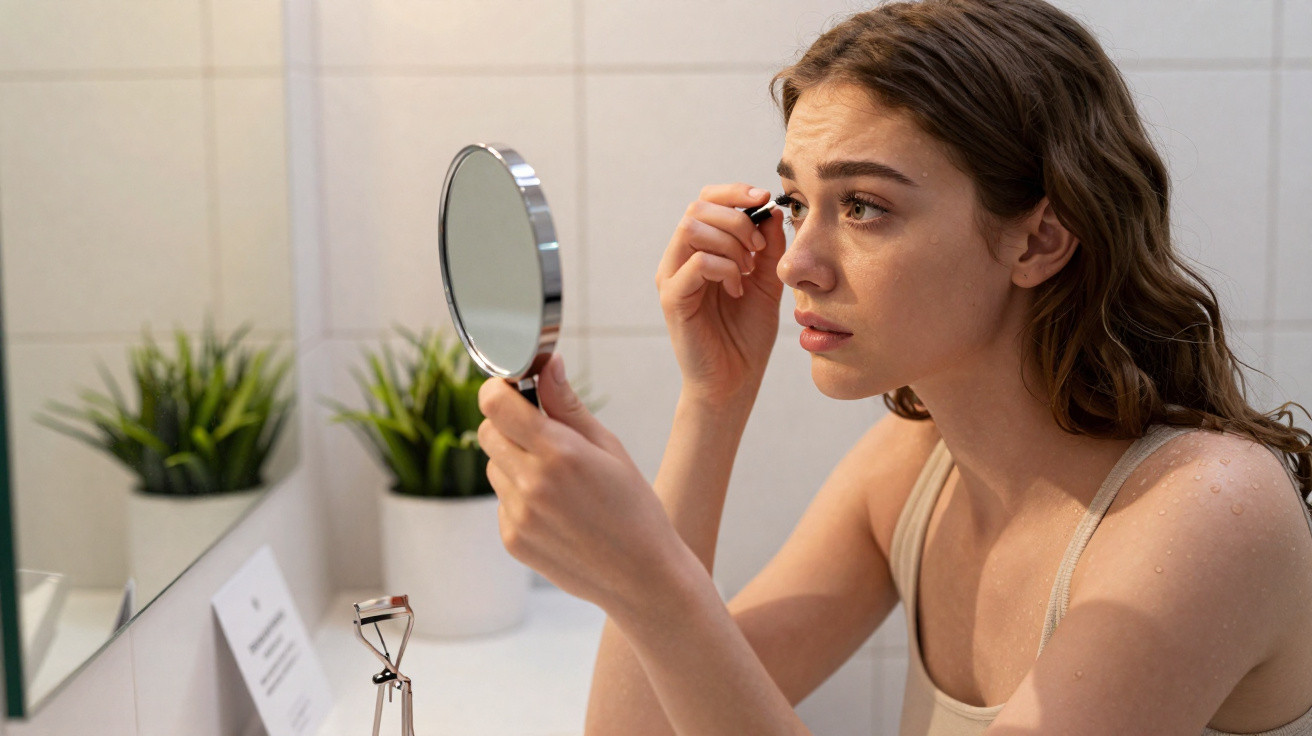
We all know that moment: at the outdoor pool, in a changing room or in a department-store mirror. Suddenly, your body becomes a project under constant inspection. You notice other people’s stomachs, legs and shoulders, then automatically slide down an internal ranking. Comparison runs in the background like an app draining your battery, even though you never consciously opened it. This is when your body stops feeling like yours and starts belonging to an imaginary jury. That jury is mercilessly critical, yet impossible to pin down.
I once interviewed a young woman: 23, a student, sporty and healthy. She showed me two photographs of herself in a bikini, taken six years apart. At 17, she felt ashamed on holiday and kept pulling up her towel because her thighs were “too fat”. At 23, she looked at the earlier photo and said: “I was perfect then. I just didn’t realise it.” Her experience is far from unusual. Studies show that more than two thirds of women and over half of men describe their bodies as “inadequate”, even when they are medically healthy. Dissatisfaction rarely starts with the mirror; it almost always begins in minds trained to count, measure and compare.
Comparison can seem perfectly reasonable: if you know where you stand, surely you can improve, right? But that reasoning falls apart when it comes to our bodies. You are not comparing figures; you are comparing life stories. Genes, illness, sleep, stress, income, childhood, relationships - all of it is reflected in body shape, scars, lines and curves. Turning that mix into a competition is like comparing a marathon runner with a ballet dancer. It sounds ridiculous, yet we do it to ourselves every day. Let’s be honest: nobody walks up to the mirror each morning, gives themselves an encouraging pat on the shoulder and says, “Wow, masterpiece!”
How to get out of the body comparison trap - gradually, not overnight
A radical but surprisingly freeing first move is to identify and reduce your “comparison triggers”. For two or three days, pay attention to when you start putting your body down internally. Is it while scrolling? In the changing room? After seeing particular accounts? Make a brief note of those moments on your phone. Then take practical action: unfollow three to five profiles that routinely leave you feeling worse. Raise the bedroom mirror slightly, so you do not automatically check your stomach whenever you walk past. Replace one daily “checking behaviour” - weighing yourself every day, for instance - with a neutral habit, such as drinking a glass of water. These are small acts of sabotage against the autopilot in your mind.
The biggest mistake when stepping away from comparison is trying to change everything at once. “From tomorrow, I’ll love my body” sounds lovely, but it works about as well as “From tomorrow, I’ll never eat sugar again”. The inner critic that has spent years maintaining comparison charts will not disappear because you read an uplifting slogan. Fight it with catchphrases and it simply gets louder. A quieter, more honest conversation works better: “Okay, I don’t like my stomach today. But it has carried me through difficult times.” That is not a rose-tinted self-love filter; it is a sober reassessment. There is something else to watch for, too: perfectionists often try to optimise self-acceptance itself. That is the next trap.
“Your body is not a project. It is the home in which your whole life takes place.”
- Reduce visual triggers: see fewer images that invite comparison and more real bodies in everyday life.
- Discuss your insecurities with at least one person who will not simply reply, “Oh, nonsense”.
- For one week, finish every evening with this sentence: “Today, my body was useful to me because …”
- Each day, consciously swap one disparaging thought about your body for a neutral statement.
- Give yourself periods when your body is not allowed to be a topic at all - for example, while doing exercise unrelated to appearance.
Living in your body instead of judging it
Imagine a day when your first thought in the morning is not “What do I look like today?” but “How do I feel today?” The change sounds minor, but it creates a small shift in the system of your mind. When you stop assessing your body from the outside, you can begin experiencing it from the inside. Hunger, tiredness, tension, desire and energy are all signals often drowned out by the noise of comparison. If you are constantly checking how your stomach looks when you sit down, eventually you stop noticing when you are genuinely full. Later, you may wonder why everything feels out of balance.
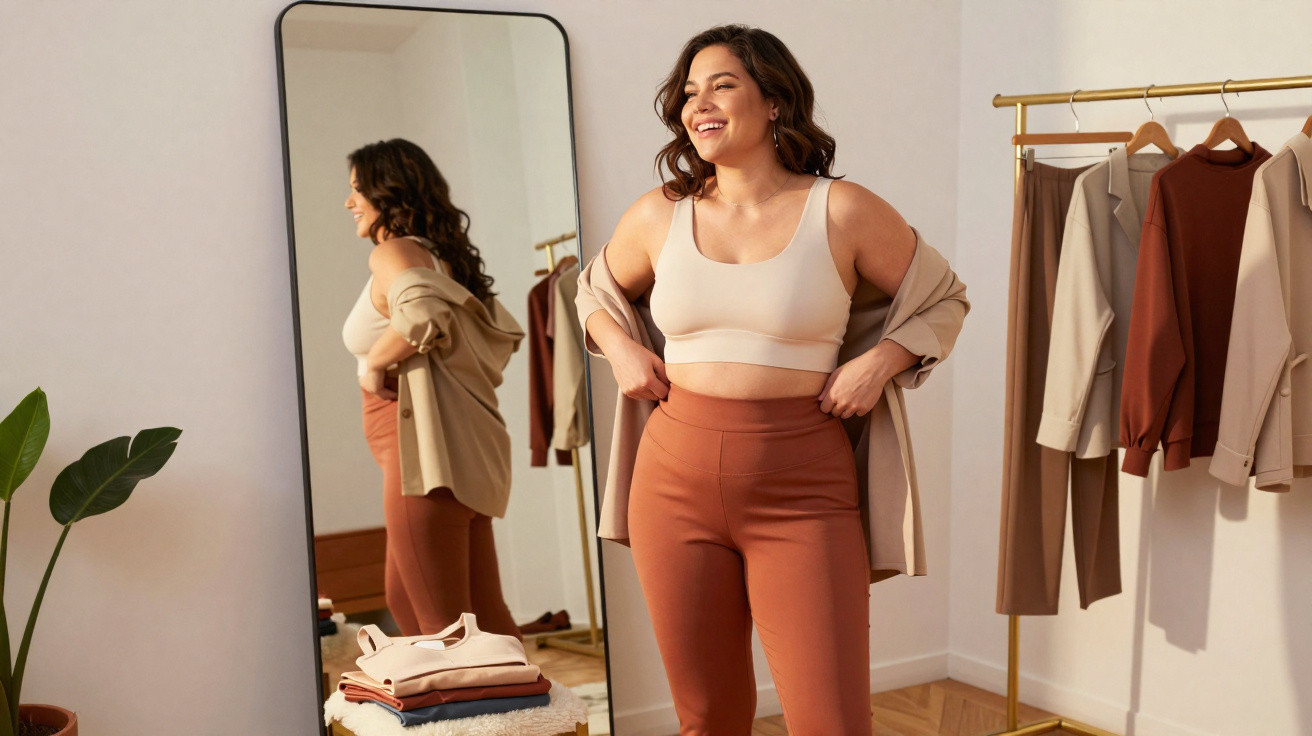
You do not have to love your body in order to treat it with respect. At first, tolerance is entirely enough. Think of a neighbour you are not immediately friends with, but do not insult simply because their balcony looks different from yours. Some days, you may feel attractive. On others, you may not be able to stand yourself. Between those extremes is a far more interesting space: the one in which you still live, work, laugh, argue and celebrate. That is where real memories are made. Bodies change whether we want them to or not. The question is less whether you look “good enough” and more whether, in 20 years’ time, you want to look back and think: “Oh, I was so busy comparing myself that I missed my own life.”
| Key point | Detail | Benefit for the reader |
|---|---|---|
| Recognise the comparison mechanism | Consciously observe situations in which you disparage your body | Helps readers identify their own patterns and act on them specifically, instead of remaining vaguely dissatisfied |
| Reduce triggers | Adjust social media feeds, cut back on checking behaviours and make small changes to your surroundings | Makes day-to-day life easier and reduces internal pressure without radically changing your life |
| Move from judgement to relationship | Shift the focus from “What do I look like?” to “How do I feel?” | Helps readers experience their body as an ally rather than an enemy, which also supports health in the long term |
FAQ
- Why do I compare my body with other people’s so intensely? Because our brains are wired to place us in relation to others - belonging used to be essential for survival. Media, beauty ideals and filters intensify this ancient reflex, turning it into a daily ritual of judgement.
- Can it not motivate me if I think others are “better” than me? Perhaps in the short term. Over time, though, it often turns into shame and self-loathing. That mindset rarely leads to lasting, compassionate change; it is more likely to bring yo-yo effects and self-sabotage.
- How should I deal with friends who constantly talk about bodies and diets? Set gentle boundaries: change the subject, say honestly that these conversations are not good for you, or limit time with people who need to make your body a constant topic.
- Does it help to give up social media completely? For some people, yes; for others, that is unrealistic. A short detox can reveal how powerful its influence is. Often, it is enough to follow accounts deliberately showing diversity rather than perfection.
- What can I do if body comparison has already led to an eating disorder or severe distress? At that stage, it is no longer a lifestyle issue but a health matter. Speak to your GP, an advice service or a therapist - professional support is not a luxury but a form of self-protection.



Comments
No comments yet. Be the first to comment!
Leave a Comment