
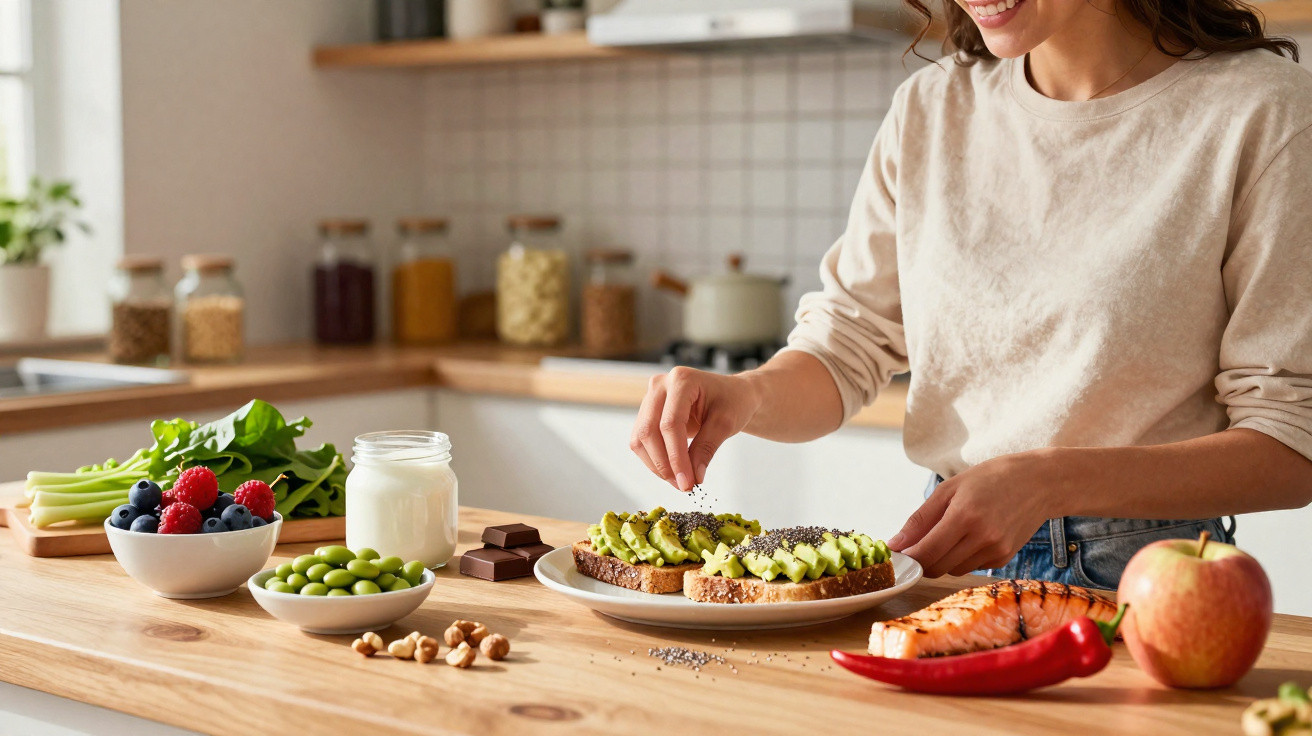
It may sound like wishful thinking, but it can work when you fill your plate intelligently.
Rather than cutting out bread, pasta or dessert completely, nutrition professionals favour a different approach: eat more of the right foods. These are ingredients that keep you full for longer, boost your metabolism and curb cravings. A nutritionist has named 16 everyday heroes, from avocado to dark chocolate.
Why certain foods make losing weight easier
Many people begin a diet with strict deprivation. Weight may drop in the short term, but the yo-yo effect is almost always waiting. A far more sustainable approach follows one simple principle: plan meals so your body gets what it needs, but from calories that are worthwhile.
“Anyone who wants to lose weight does not need to eat less, but differently: more fibre, more protein and more high-quality fats.”
Three components stand out:
- Fibre fills the stomach, slows digestion and stabilises blood sugar.
- Protein protects muscle, reduces cravings and uses energy during digestion itself.
- Healthy fats provide flavour and satiety, while supporting the hormones that regulate hunger.
The 16 foods that support weight loss
1. Avocado: creamy fat that keeps you full
Avocados provide plenty of unsaturated fatty acids, fibre and potassium. This combination promotes lasting fullness and helps prevent blood sugar spikes. Half a fruit in a salad or on a slice of wholegrain bread is usually quite enough.
2. Chia seeds: tiny seeds, major impact
Around 28 grams of chia seeds provide nearly 10 grams of fibre. They swell considerably in liquid, forming a gel that creates volume in the stomach. As a result, snacks between meals can suddenly become unnecessary.
3. Salmon: protein and omega-3 in one
A serving of around 85 grams supplies roughly 17 grams of protein as well as valuable omega-3 fatty acids. These fats have an anti-inflammatory effect and may positively influence metabolism.
4. Chicken breast: the lean classic
Around 100 grams of chicken breast contains approximately 120 calories, yet provides plenty of protein and very little fat. It is ideal for bowls, salads or oven-baked dishes with vegetables.
5. Eggs: a small package packed with nutrients
Eggs offer high-quality protein, healthy fats and numerous vitamins. People who eat two eggs with vegetables in the morning are usually full for longer than after a sweet breakfast.
6. Greek yoghurt: a protein-packed start to the day
Thanks to its higher protein content, Greek yoghurt is considerably more filling than many other dairy products. Add berries, chia seeds or nuts and it becomes a complete breakfast within minutes.
7. Cottage cheese: a light snack instead of biscuits
Cottage cheese contains plenty of protein, very little fat and virtually no sugar. Paired with tomatoes, cucumber or a few berries, it can easily replace an afternoon sweet treat.
8. Edamame: soya beans as a protein snack
These young soya beans provide plant protein and fibre. Briefly cooked and lightly salted, they make a satisfying snack on the plate.
9. Pulses: beans, lentils and more for fullness
Beans, lentils, chickpeas and other pulses are rich in fibre and protein. They can often make a stodgy pasta side dish unnecessary.
10. Wholegrains: more than just brown bread
Whether oats, brown rice or quinoa, whole grains contain fibre, vitamins and minerals. The body takes longer to digest them, which is exactly what creates sustained fullness.
11. Leafy greens: plenty of volume, few calories
Spinach, lamb’s lettuce, rocket and kale fill the plate without sending calorie intake soaring. They also provide plenty of micronutrients that are quickly lacking in crash diets.
12. Apples: a convenient source of fibre
A medium-sized apple contains pectin, a soluble fibre that swells in the gut. Eating the apple with its skin provides the greatest benefit. Combined with a small amount of nuts, it makes a highly filling snack.
13. Berries: sweet but kinder to blood sugar
Raspberries, blueberries, strawberries and blackberries deliver plenty of fibre while containing comparatively little sugar. They are ideal as a topping for yoghurt, porridge or cottage cheese.
14. Nuts: small fat bombs with added benefits
Almonds, walnuts, hazelnuts and similar nuts are full of healthy fats, some protein and fibre. Their calorie density is high, so a small handful is enough. In that amount, they act as a filling food rather than a calorie trap.
15. Chilli: heat as a gentle metabolism boost
Chilli contains almost no calories – around 30 per half cup – but it does contain capsaicin. This compound may briefly increase energy expenditure and ensures that low-fat dishes still taste intense.
16. Dark chocolate: enjoyment without guilt
One or two squares of dark chocolate with a high cocoa content satisfy sweet cravings much better than a bar of milk chocolate. Its bitter compounds encourage you to stop sooner, while also providing secondary plant compounds.
How to include the 16 filling foods in everyday life
The key is not complicated recipes, but simple routines. Here are three examples for a typical day:
| Meal | Example combination |
|---|---|
| Breakfast | Greek yoghurt with chia seeds and berries, plus an apple |
| Lunch | A large salad with leafy greens, avocado, wholegrains, edamame and salmon or chicken |
| Evening meal | Sautéed leafy greens, chicken breast or salmon, with lentils or beans and seasoned with chilli |
Between meals, a small handful of nuts, an apple or a serving of cottage cheese with berries can help curb cravings for sweets. One or two squares of dark chocolate can round off the evening meal without significantly affecting calorie intake.
Portions, weight-loss pace and the role of a doctor
Quantity remains crucial to success. Anyone who consistently overeats foods perceived as healthy is unlikely to lose much weight in the long run. Nutrition doctors therefore recommend a moderate calorie reduction that still leaves you feeling capable and free from constant fatigue.
“Slow, steady weight loss is more sustainable than a rapid drop – your metabolism loves consistency.”
Meals can usefully be structured roughly as follows:
- around half the plate filled with vegetables and leafy greens
- one quarter made up of protein sources such as fish, poultry, eggs, cottage cheese or pulses
- one quarter consisting of wholegrain foods or additional pulses
- a small amount of healthy fats from avocado, nuts or olive oil
Anyone eating more fibre should also drink enough. Water supports digestion and prevents the gut from becoming overwhelmed. Sugary drinks often undermine the effect because they provide hidden calories without making you feel full.
If you have existing conditions such as diabetes, heart problems or chronic bowel disease, it is worth speaking to a doctor and a qualified nutrition professional. They can tailor portion sizes, protein intake and fat quality to your personal situation.
What really lies behind the feeling of fullness
Hunger and fullness do not depend on calorie numbers alone. Hormones such as leptin and ghrelin also play a part, as the body releases them differently depending on the nutrient mix. Protein and fibre send stronger fullness signals than foods loaded with sugar alone.
Eating meals slowly, chewing thoroughly and avoiding distraction from your phone makes these signals easier to notice. The brain needs around 20 minutes to register that you are “full”. Pizza eaten too quickly can easily slip past this awareness – followed by the urge for something “small”.
Practical combinations for everyday life
For many people, it helps to have regular go-to meals they can rely on. Here are a few examples:
- Meal-prep salad: leafy greens, lentils, edamame, a little avocado, strips of chicken and chilli oil.
- Quick pan meal: frozen leafy greens, beans, chilli, salmon fillet from the oven and some brown rice.
- Evening snack: cottage cheese with berries, a few chopped nuts and a square of dark chocolate.
Having these combinations ready means you are less likely to reach for frozen pizza or a takeaway when life is stressful. This also lowers daily calorie intake without making everyday life more complicated.





Comments
No comments yet. Be the first to comment!
Leave a Comment