

A subtle adjustment at the dining table can often achieve far more.
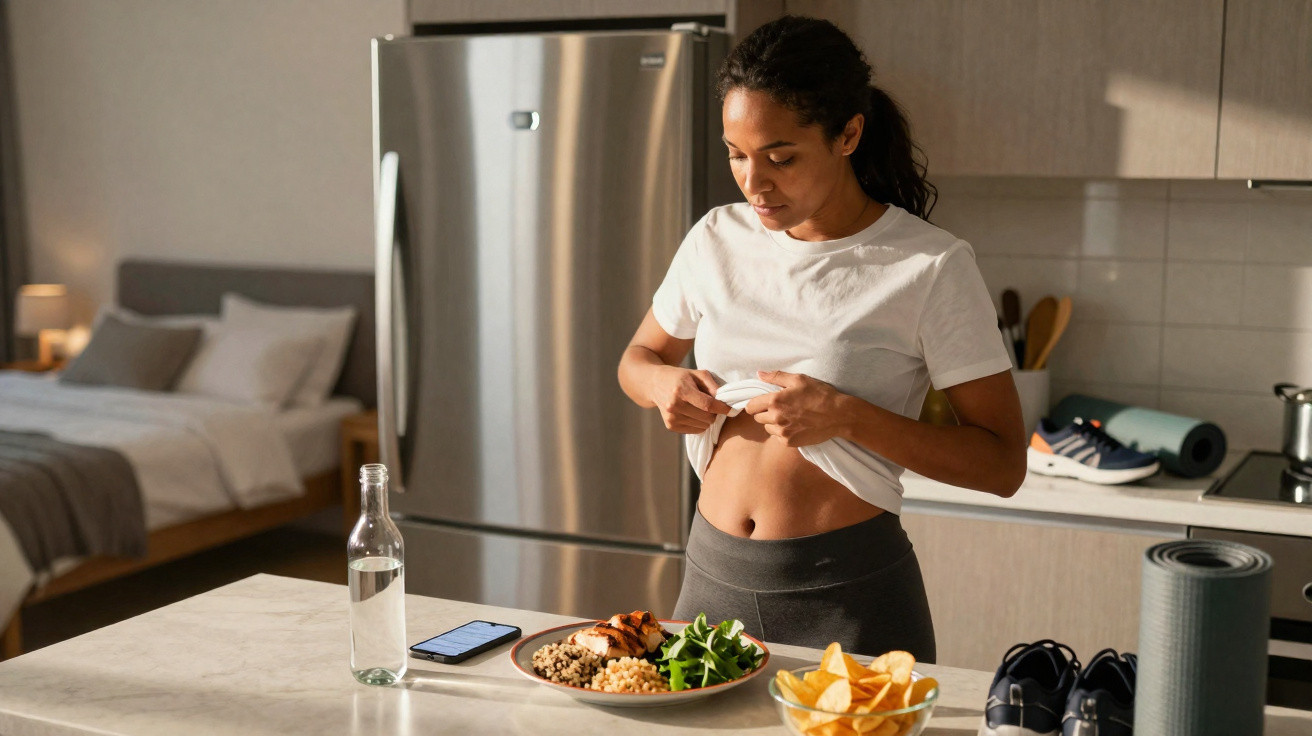
Anyone wanting to lose weight may first think of jogging, gym classes or sweaty workouts. Yet nutrition professionals have been making the same point for years: the key lever is much closer to home – on your plate. One straightforward, everyday habit can have a greater effect than extra hours of exercise and help you maintain your weight over the long term.
Why the kitchen is more powerful for weight loss than the gym
Many people overestimate how many calories a workout burns while underestimating how quickly those calories can be eaten again. For instance, an hour on the treadmill may use around 400 to 600 calories, depending on your weight. A large pizza or a generous plate of pasta can easily replace them.
Experts estimate that diet accounts for roughly 80 to 90 per cent of weight-loss success. Exercise remains hugely important for the heart, muscles, mood and blood sugar, but it can scarcely compensate for a consistently excessive calorie intake. Anyone who genuinely wants to lose weight therefore needs to focus above all on both the amount and quality of their food.
“A small, consistent adjustment to your portion sizes has a greater effect on the scales than extra hours on the cross trainer.”
The answer is not the next extreme diet, but a realistic routine that can be sustained. That is precisely where the understated plate trick comes in.
The key change: eat less without feeling deprived
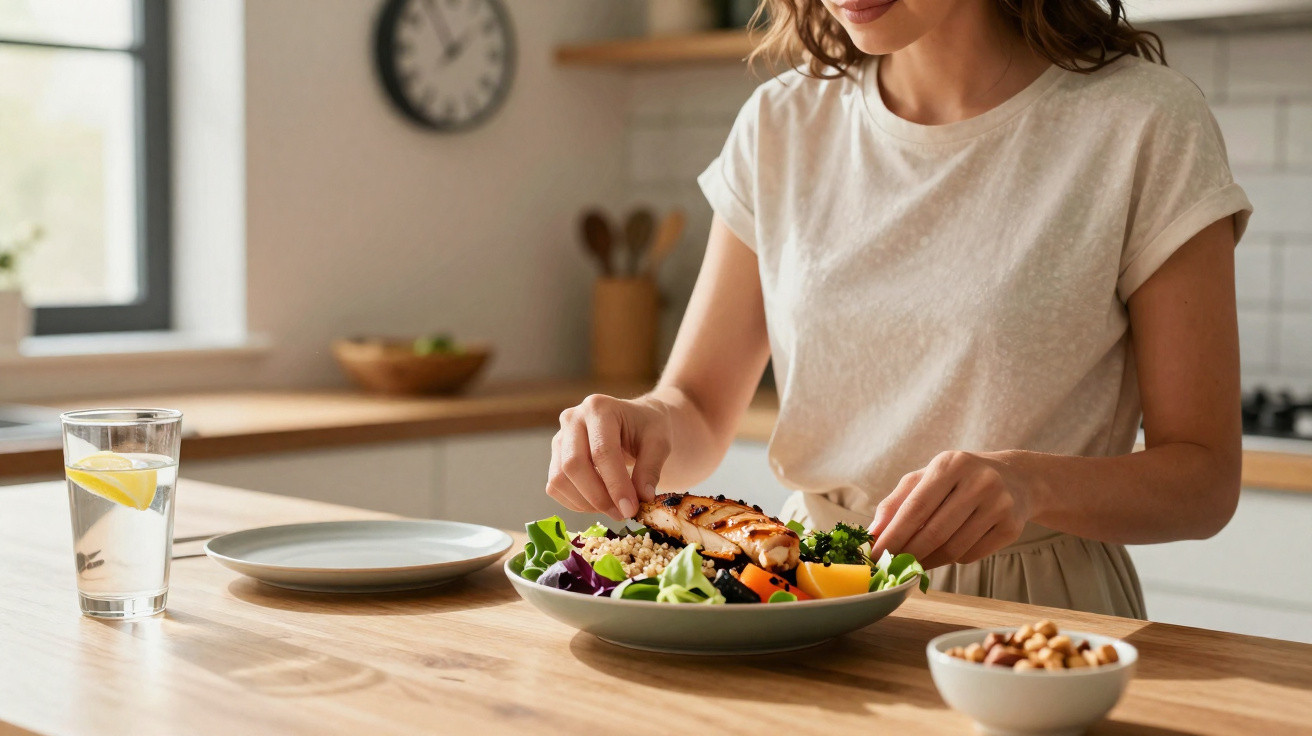
Rather than imposing strict bans or cutting out entire food groups, many nutritionists advise a moderate approach: eat the same meals, simply in slightly smaller portions. It may sound unremarkable, but it can make a major difference to your daily calorie balance.
Eating only 10 to 20 per cent less at each meal creates a modest calorie deficit without making you feel as though you are constantly missing out. Over weeks and months, that gap adds up – and that is what shifts the weight.
“It is often not the radical change, but the consistently slightly smaller portion that produces the breakthrough on the scales.”
The major benefit is that this approach works in everyday life. There are no “forbidden” foods, complicated plans or constant calculations. Essentially, you eat as you did before – just a little less.
Relearn fullness: recognising when you have had enough
One modern problem is that we tend to follow packet sizes, restaurant servings or buffet displays rather than our own physical cues. Many people automatically clear their plate despite having been full for some time. This is where a change in thinking pays off.
The aim is to become more aware of your natural sense of fullness again. It requires little theory, but regular practice in day-to-day life:
- Use smaller plates: This is a visual trick. A standard serving of pasta looks generous on a smaller plate, whereas it can appear “too little” on a huge one – leading you to serve more automatically.
- Eat more slowly: If you finish in ten minutes, you outrun your fullness signals. The brain needs around 15 to 20 minutes to send the message to stop.
- Pause before having seconds: Instead of serving more immediately, wait 5 minutes. You will often realise during that time that you have had enough.
- Increase nutrient density: More vegetables, fibre and protein help you feel full on fewer calories.
Eating less does not mean going to bed hungry. What matters is what is on the plate. If you reduce your serving slightly, improve its quality at the same time: add more vegetables, protein and wholegrains, and cut down on empty calories from sugar and white flour.
How much less makes sense? Everyday portion guidance
Nobody needs to sit at the dinner table with kitchen scales. As a broad guide, a few easy-to-remember rules are often enough:
| Food group | Portion guide | Possible reduction |
|---|---|---|
| Pasta, rice, potatoes | Cooked amount roughly the size of your fist | One or two fewer forkfuls than usual |
| Meat, fish, tofu | The size of your own palm | Choose a thinner slice or leave off one small piece |
| Cheese | Roughly two to three finger widths | Put one fewer slice on your bread |
| Sweets & snacks | A small bowl, not the packet | Eat only the prepared bowl and do not refill it |
Making these small adjustments at almost every meal can quickly save 200 to 400 calories a day without feeling like you are on a diet. Over several months, that can amount to a difference of several kilos.
Why food quality and portion size belong together
Reducing portion sizes works best when the meal still supplies enough nutrients. Otherwise, hunger soon returns and you end up reaching for snacks again.
Three building blocks make a particularly strong contribution to lasting fullness:
- Fibre: Found in vegetables, fruit, pulses and wholegrains. It expands in the stomach and keeps you satisfied for longer.
- Protein: From eggs, dairy products, fish, lean meat or plant sources such as lentils and chickpeas. It curbs appetite and helps preserve muscle mass.
- Healthy fats: Nuts, seeds and plant oils such as rapeseed or olive oil. Small amounts are enough to make food satisfying and flavoursome.
“A slightly smaller portion rich in protein and fibre often keeps you full for longer than an overloaded plate of white flour and sugar.”
Planning meals consciously in this way means consuming fewer calories without feeling restricted – a crucial factor in avoiding relapses and bouts of intense cravings.
Exercise remains important – just not as an excuse to eat more
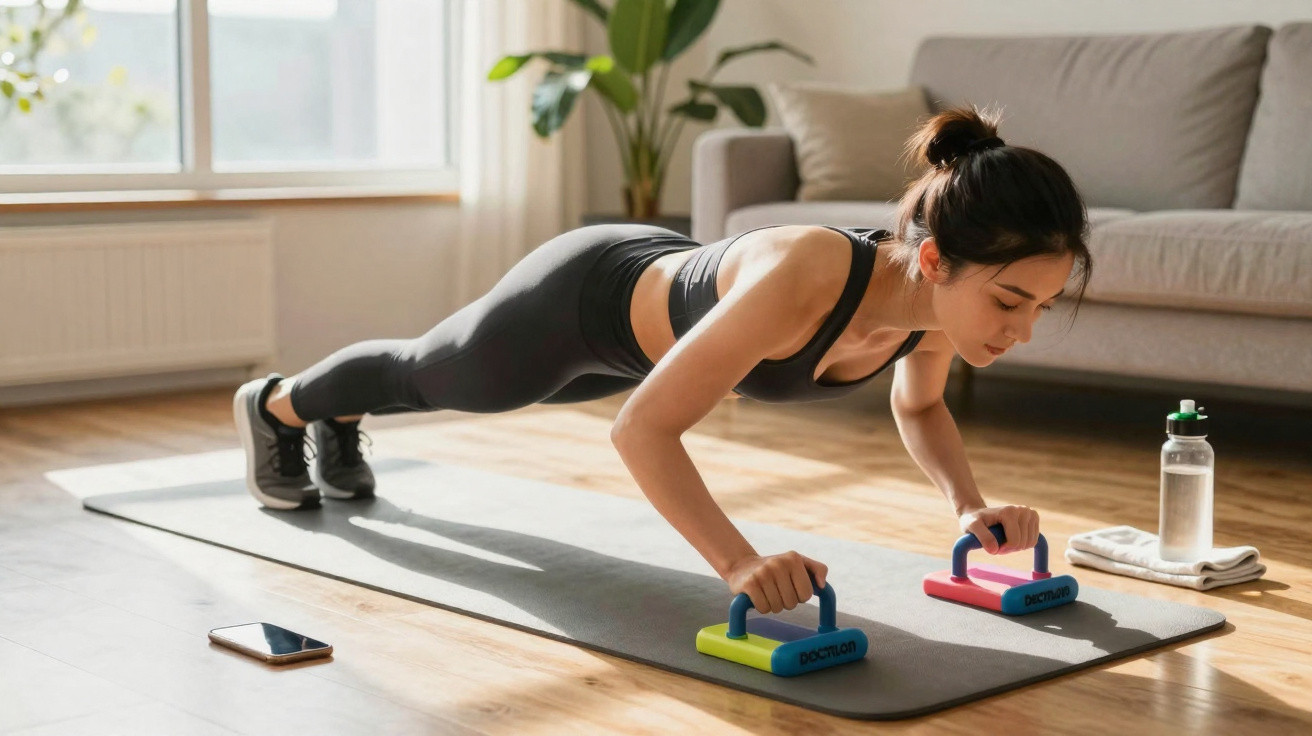
The message is not: “Exercise is pointless.” Quite the opposite. Regular activity protects the heart and blood vessels, strengthens bones and muscles, and supports mental wellbeing. It also improves insulin sensitivity, easing sugar metabolism and helping with weight management in the long run.
The mistake often happens in the mind: after a hard training session, people “treat” themselves to more food – a large fast-food meal, an extra dessert or several beers. That immediately wipes out the calorie advantage. Anyone using the plate trick should take care not to reward sporting effort with food.
The ideal combination is slightly smaller everyday portions plus exercise you enjoy two to four times a week. This might be walking, cycling, strength training at home or dancing – consistency matters, not the perfect plan.
Everyday situations where the plate trick works especially well
In certain moments, large portions can almost automatically disappear into your stomach. Recognising these situations can make a substantial difference with very little effort:
- At a restaurant: Halve side dishes, order sauces separately and ask to take leftovers home rather than finishing everything out of obligation.
- When cooking at home: Put slightly less pasta or rice in the pan – what is not there cannot end up on your plate.
- At parties and buffets: Start with a small serving, eat slowly, then consciously decide whether you are still hungry.
- On the sofa in the evening: Put snacks into a bowl and put the packet away straight away – this keeps the quantity manageable.
These micro-decisions build up over time. Nobody has to be perfect. Even if six or seven out of ten meals are slightly smaller, the scales will shift in the long term.
Risks and limits: when simply eating less is not enough
Anyone who is severely overweight, takes medication or has existing health conditions should use the smaller-portions approach with medical or nutritional-therapy support. People with eating disorders or a history of them are also better supported by a professional.
It becomes dangerous when “smaller portions” turns into harsh self-denial. If you have very little energy, feel cold all the time, become dizzy or constantly think about food, you have gone too far. In these cases, a qualified professional can help find a healthier middle ground.
How to reinforce the plate trick with other habits
This small change on your plate becomes even more effective when combined with a few additional measures:
- Drink enough: Water or unsweetened tea before a meal can support the feeling of fullness.
- Eat regular meals: Those who leave extremely long gaps often develop intense cravings later and eat more than they need.
- Sleep: Too little sleep has been shown to increase hunger and alter hunger hormones – so even the best plan has limited effect.
- Manage stress: Many people eat because they feel anxious or frustrated. Small stress-relief rituals can stop food becoming a constant coping mechanism.
By gradually adjusting these factors, many people notice that the struggle against their own body eases. Losing weight feels less like punishment and more like a gentle correction of course.
Ultimately, there is no perfect diet plan, only a simple truth: it is not the toughest workout that decides the outcome, but what lands on your plate every day, almost unnoticed – and how much of it does.



Comments
No comments yet. Be the first to comment!
Leave a Comment