
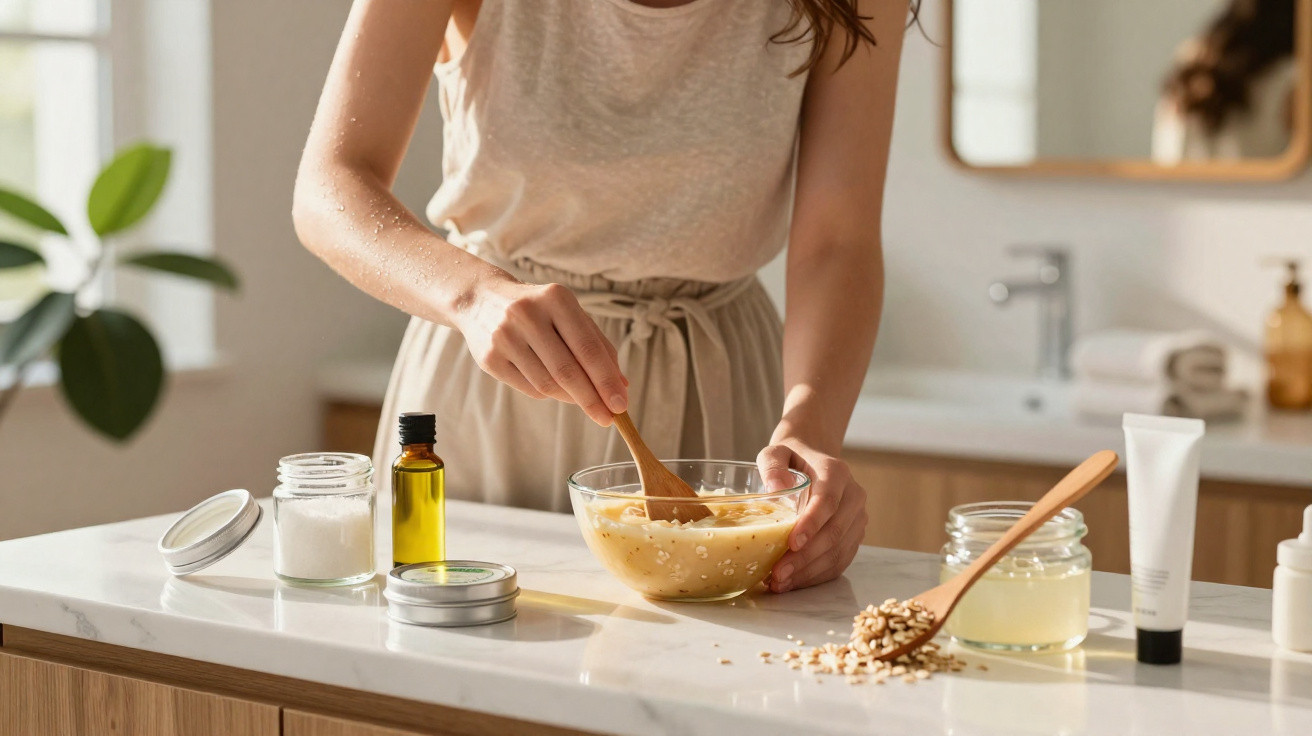
Oats, honey, olive oil, coconut oil and even petroleum jelly can move from the kitchen or bathroom cabinet into a quick self-care ritual. With simple combinations and small amounts, you can make homemade mixtures for skin, lips, hands and hair, provided each recipe is used carefully and without overdoing it.
What are the 6 self-care mixtures?
Before you begin, bear one important rule in mind: homemade blends do not need lots of ingredients to work as a simple cosmetic treatment. Make only the amount you will use immediately, do not keep leftovers, and patch-test a small area of skin if an ingredient is not already part of your routine.
The recipes below contain popular ingredients, but each one has a different purpose. Pay attention to the contact time and to occasions when it is best to avoid use, particularly on broken or sensitised skin, where there are known allergies, or after recent dermatological procedures.
- Oats and honey can leave skin feeling softer. Combine 1 tablespoon of finely ground oats with 1 tablespoon of honey, smooth it gently over a clean face, leave it on for 10 minutes, then rinse. Do not use if you are allergic to the ingredients or have irritation or wounds.
- Sugar and olive oil can exfoliate rough areas of the body. Mix 1 tablespoon of sugar with a few drops of olive oil, gently massage the elbows or feet for around 30 seconds, then rinse straight away. Do not use it on the face, cracked or inflamed skin, or freshly waxed or shaved areas.
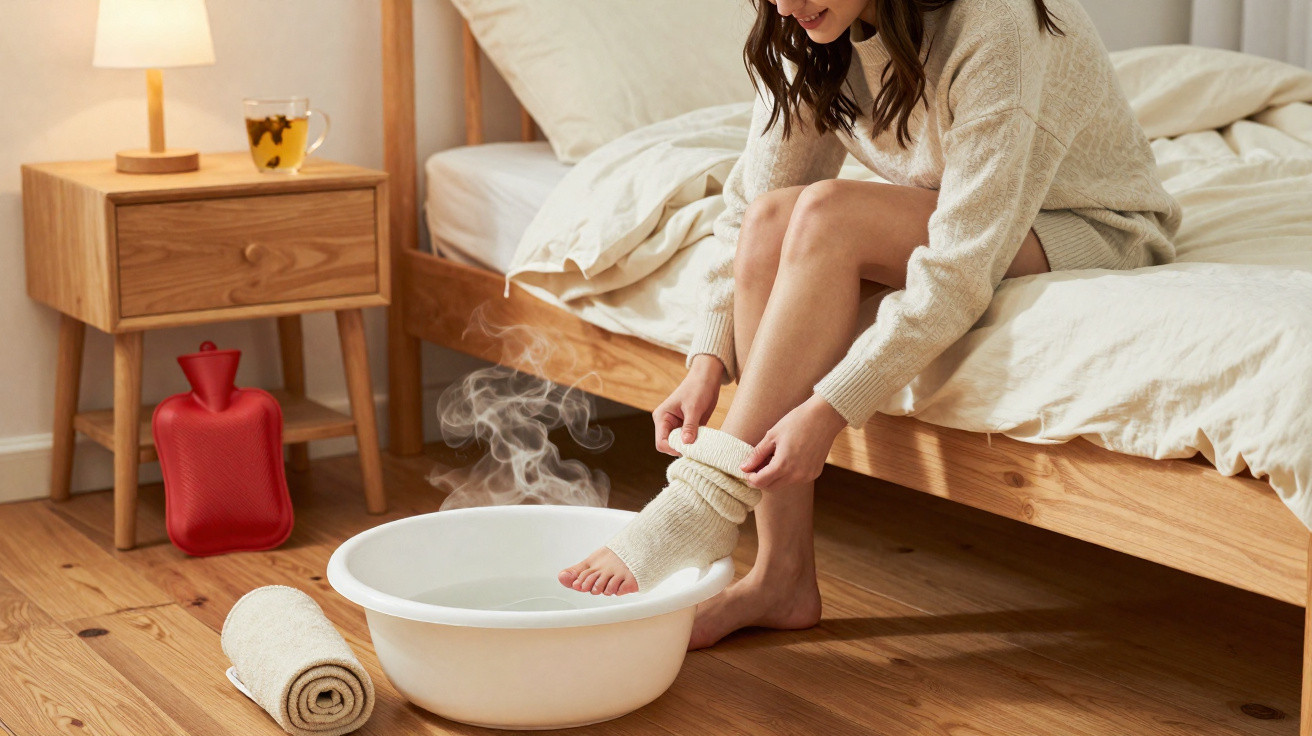
- Cream and petroleum jelly can enhance care for dry heels. Blend a portion of cream with a small amount of petroleum jelly, apply it to the feet, and leave it on overnight while wearing cotton socks. Do not apply it to deep cracks, bleeding areas or where there are signs of infection.
- Cream and coconut oil can soften hands and cuticles. Mix a portion of cream with a few drops of coconut oil, massage it into the hands and around the nails, and leave it on overnight. Do not use it if the oil causes irritation or on areas with active dermatitis.
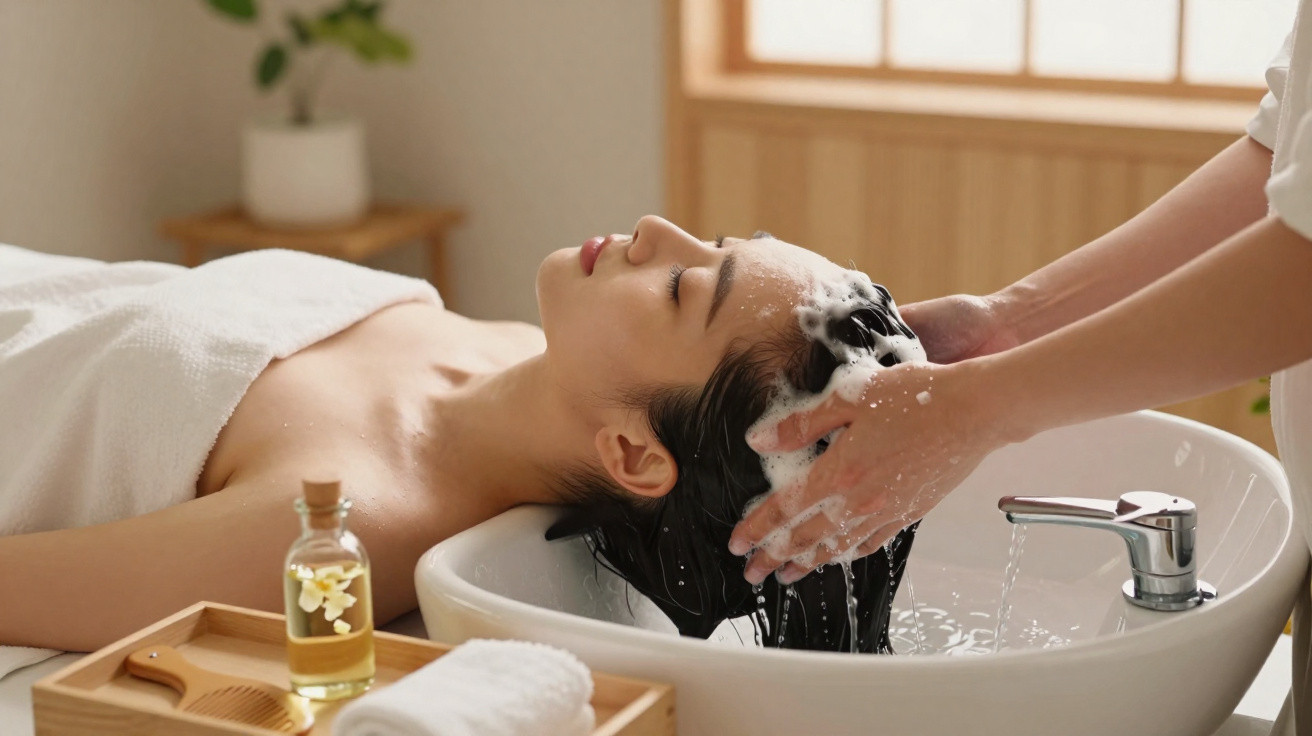
- Flaxseed gel can provide a moisturised feel and help shape the hair. Boil flaxseed in water until it forms a gel, strain it, allow it to cool, and apply a small amount to damp hair, leaving it in until the next wash. Do not use the preparation if its smell, colour or appearance changes.
- Oats and cream can ease the feeling of dryness on elbows and knees. Mix 1 tablespoon of finely ground oats with enough cream to create a paste, spread it on without rubbing, leave for 10 minutes, and remove with water. Do not use on damaged or irritated skin, or if you have an oat allergy.
How can oats and honey be used without harming the skin?
The oats-and-honey combination works best as a gentle mask rather than an exfoliant. Apply it without rubbing the oat particles against the face, then allow the mixture to sit for a few minutes. Oats may help create a feeling of comfort, while honey gives the skin a more emollient texture.
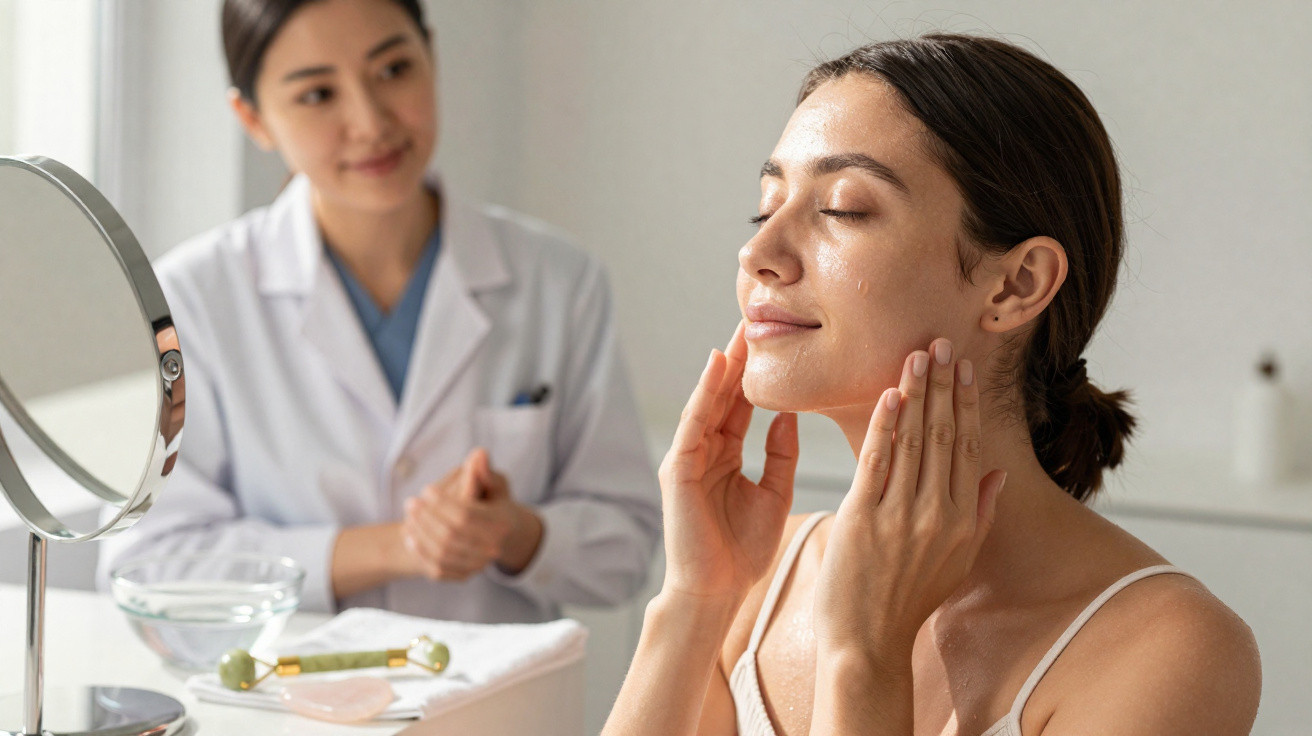
Gentleness is the key precaution. Do not massage vigorously or leave it on longer in the hope of achieving a greater effect. If stinging, itching or redness develops, remove it immediately. People with highly reactive skin or a history of allergies should opt for products formulated specifically for facial use.
Can sugar and olive oil be used on every area?
No. Sugar creates friction, so it is better suited to more resilient areas of the body, such as elbows and rough patches on the feet. When combined with a few drops of olive oil, it glides more easily, but the massage should remain light and brief. Rubbing too firmly may cause minor injuries and increase sensitivity.
It is best to avoid this recipe on the face, as the crystals may be too harsh for more delicate skin. Do not apply it after hair removal, intense sun exposure or over cracks either. Homemade exfoliation should be occasional rather than a daily habit, especially if the area already shows signs of irritation.
Watch the video shared by the YouTube channel Ana Lídia Lopes, which offers tips on 5 homemade masks to transform your skin.
How can cream, petroleum jelly and coconut oil be used?
Cream and petroleum jelly are an effective combination for very dry areas, particularly the heels. The cream provides the moisturising step, while petroleum jelly creates an occlusive layer that can help reduce water loss. A thin layer before bed is usually enough to make the skin feel more comfortable in the morning.
Coconut oil, meanwhile, can be added in a small amount to cream for massaging the hands and cuticles. The key is to use only a few drops, avoiding excess and a sticky feel. Anyone who tends to develop irritation, blemishes in certain areas or sensitivity to oils should test it first and stop using it if any reaction occurs.
Homemade self-care needs boundaries too
Simple recipes can make a beauty ritual more practical, but they do not have to replace suitable cosmetics or treatments recommended by professionals. Natural ingredients can also trigger allergies and irritation. For this reason, smaller amounts, less friction and attention to reactions are valuable rules for every homemade mixture.
If these ingredients are already in your cupboard, pick one recipe and begin with the care you need most today. Avoid trying everything at once, and watch how your skin or hair responds. Turning a few minutes into a mindful habit can be far more worthwhile than collecting products and never managing to maintain a routine.



Comments
No comments yet. Be the first to comment!
Leave a Comment