
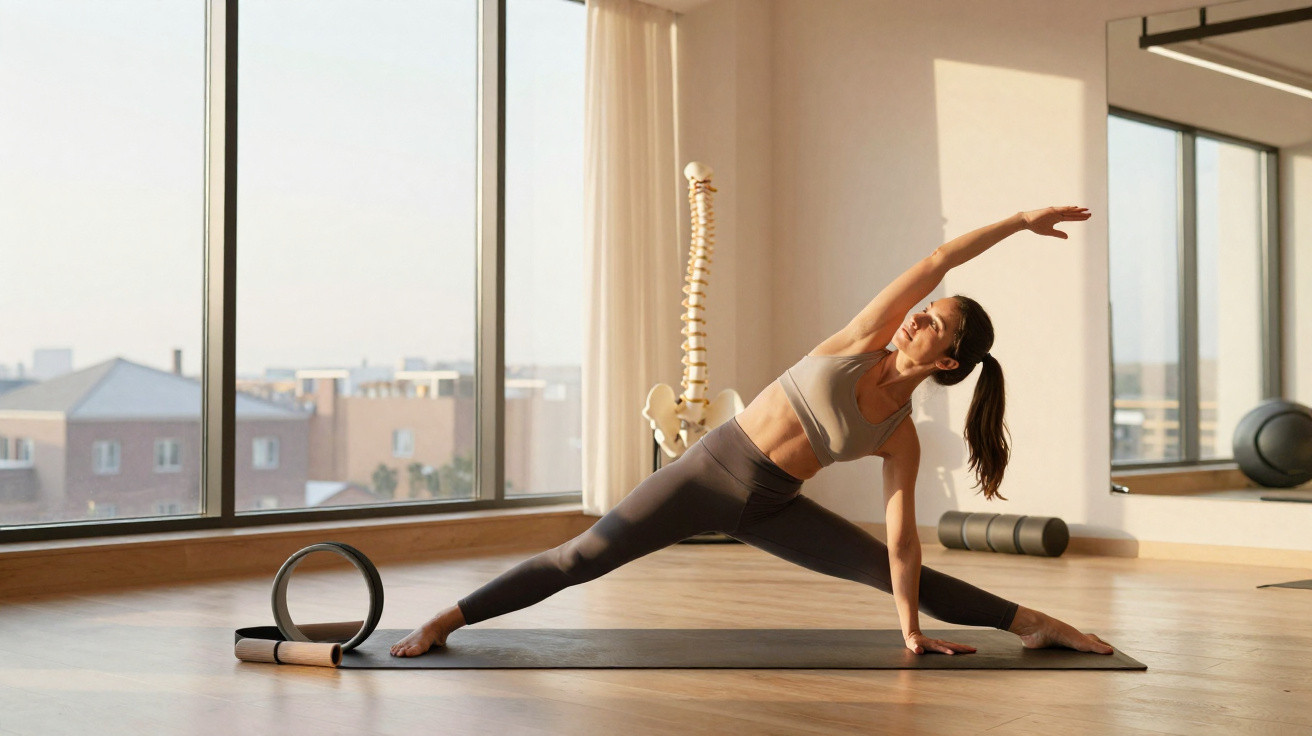
The passage of time often brings joint stiffness and visible changes in the body’s natural curves. Maintaining good posture after the age of 40 requires targeted stimuli that restore functional balance and return the mobility needed for everyday activities.
Why does the body lose support with age?
A sedentary lifestyle and spending too many hours in the same position gradually weaken the deep muscles of the back. This loss of strength undermines the natural support of the vertebral spine, contributing to rounded shoulders, persistent pain and the progressive loss of anatomical stability as we age.
Although simple stretching can provide immediate relief from the feeling of tightness, it does not address the underlying muscle weakness. Without strengthening the deep structures that provide lasting support, the joints remain exposed to excessive pressure during even the most ordinary movements.
How does a mobile phone affect spinal alignment?
Tilting the head forwards to look at a screen increases pressure on the cervical vertebrae considerably… Read more
Which activity do specialists recommend?
Health professionals identify Pilates as the most effective method for restoring body alignment in mature adults. Its controlled, low-impact movements protect the cartilage while engaging tonic muscle fibres that keep the torso stable without causing unnecessary wear.
This approach places strong emphasis on activating the core, the area comprising the abdomen, glutes and deep lower-back muscles. Combined with rhythmic breathing, the technique decompresses the vertebrae and reorganises the centre of gravity, bringing greater harmony to everyday walking.
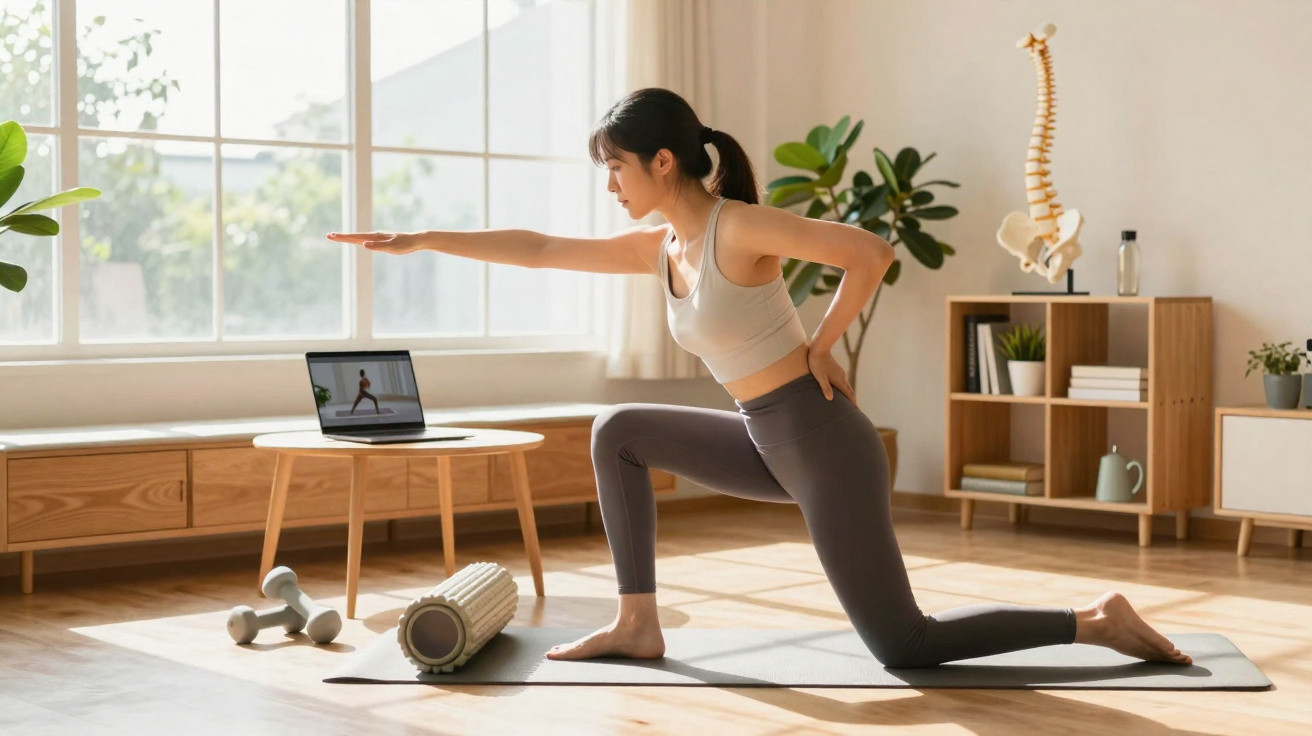
Below is a video from the FeelTheBalance YouTube channel that explores the correct performance of these movements in more detail:
How does the method strengthen the body’s centre?
Continual work on the deep layers of the abdomen creates a type of protective anatomical belt. This reinforced muscle structure absorbs daily strain, restores postural balance and prevents mechanical tension from falling directly on the intervertebral discs in the lower-back area.
Rather than relying on demanding traditional weight-training routines, the method gives priority to precision in every movement performed. This careful control builds refined body awareness, enabling a person to maintain proper back alignment even while carrying out routine daily tasks.
Method foundations
Pillars of body alignment
These principles ensure the biomechanical safety of everyday movements:
- Conscious activation of the deep abdominal muscles;
- Breath control synchronised with joint decompression;
- Gradual mobilisation of all lumbar and thoracic vertebrae.
What benefits come with regular practice?
Training regularly delivers a noticeable improvement in flexibility within tissues that were previously stiff and contracted. Increasing the space between the joints eases painful pressure, allowing the shoulders and hips to move more freely and lightly.
Alongside immediate physical relief, the activity plays a significant role in the prevention of more severe, degenerative postural deviations. Those who invest in this care after 40 preserve broad motor autonomy, supporting lasting physical energy for work and leisure time.
The main benefits gained by establishing this body-care routine are listed below:
- Long-lasting relief from accumulated tension in the cervical muscles.
- Deep strengthening of the entire paravertebral muscle chain.
- Ongoing improvement in motor coordination and dynamic balance.
How can you begin the routine safely?
Seeking expert guidance from physiotherapy professionals or certified instructors is the essential first step. A detailed postural assessment makes it possible to tailor every exercise to individual needs, ensuring complete mechanical safety throughout every stage of initial learning.
Progress should be gradual, respecting biological limits rather than rushing towards drastic changes. Maintaining consistency with weekly sessions reshapes the pattern of skeletal support, encouraging a routine filled with health and sustained vitality.



Comments
No comments yet. Be the first to comment!
Leave a Comment