
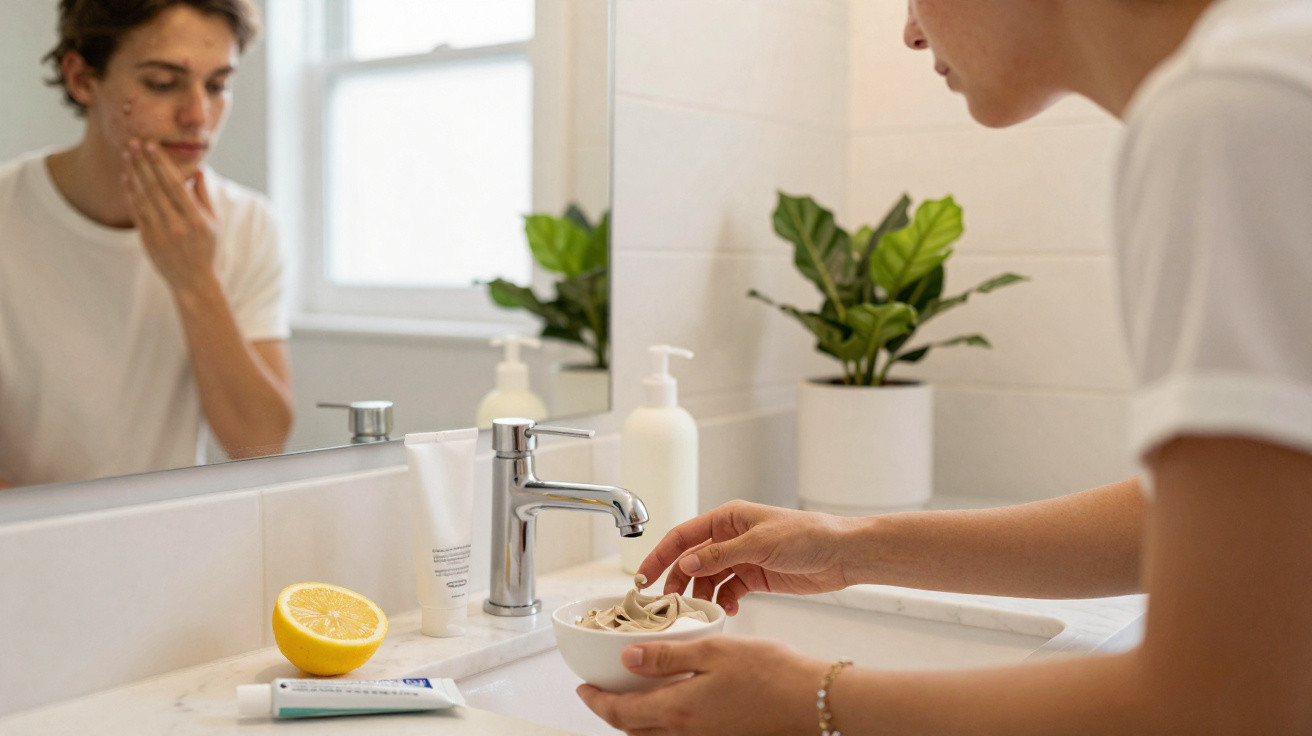
A pimple appears, you dab on toothpaste before bed and wake up expecting it to be gone. Instead, your skin is red, stinging and even more noticeable. DIY remedies involving lemon, bicarbonate of soda and makeshift products may seem like quick fixes, yet they can turn temporary inflammation into severe irritation and marks that are difficult to treat.
Why does this pimple seem to never go away?
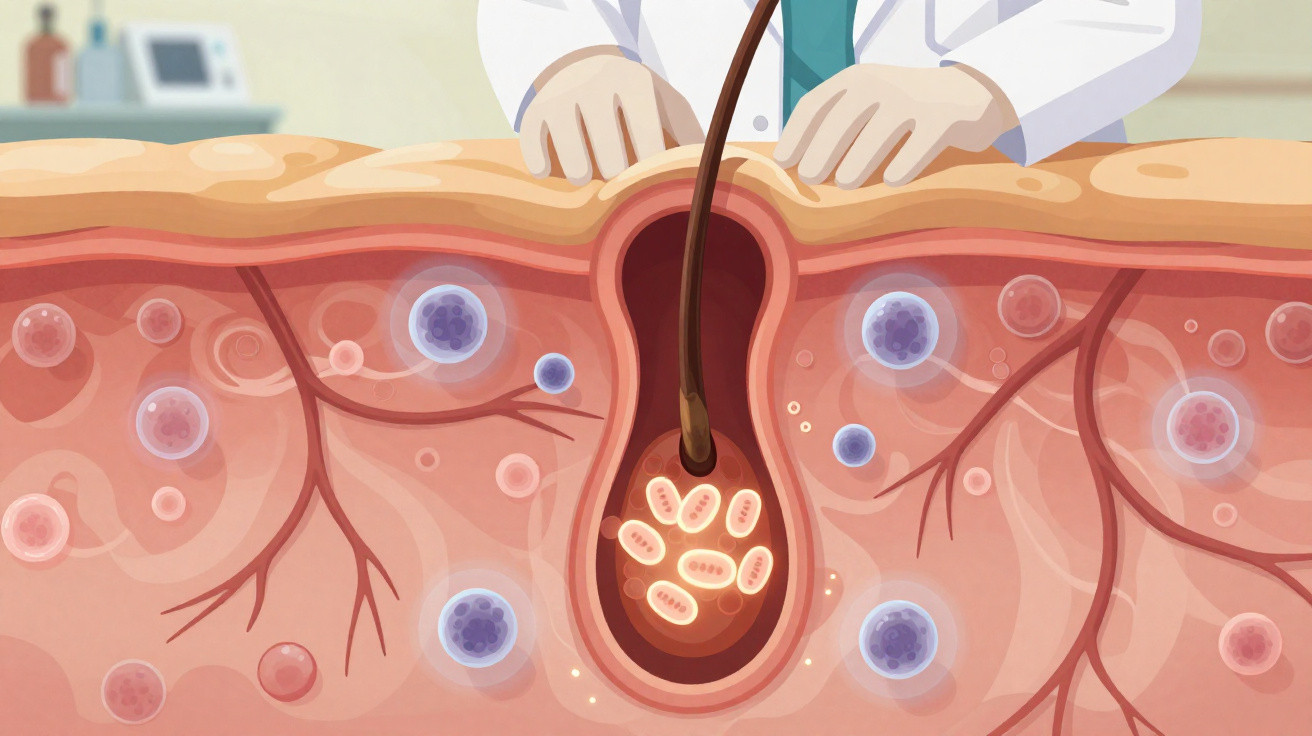
Acne develops when oil, dead skin cells and inflammation affect the skin’s follicles. Some deep lesions can take weeks to settle, making it seem as though it is the same pimple even as it moves through different stages. Repeatedly squeezing it also extends the healing process and raises the likelihood of marks.
A lasting bump is not always an ordinary pimple. Cysts, ingrown hairs and other conditions can look very similar. If the area remains for several weeks, increases in size, bleeds, is very painful or repeatedly returns in the same place, seeing a dermatologist is the best course of action.
Lemon can burn and stain the skin
Lemon is acidic and may irritate an already inflamed skin barrier. The danger is greater if the area is exposed to sunlight, as compounds in citrus fruits can trigger a reaction called phytophotodermatitis, causing redness, blisters and skin darkening.
The resulting mark may last for months, particularly on skin that is more prone to hyperpigmentation. Washing your face after applying it does not guarantee the reaction will be prevented. Lemon should therefore never be used directly on a pimple, in face masks or as a homemade skin-lightening treatment.
What should you never put on a pimple?
Products designed for teeth, household cleaning or food have not been formulated to treat acne. They can disrupt the skin’s balance, worsen dryness and lead to even more inflammation. A burning sensation does not mean the product is getting rid of the pimple.
- Lemon can lead to irritation, burns and marks after sun exposure;
- Toothpaste contains ingredients that can dry out and damage the skin;
- Bicarbonate of soda can disrupt the natural pH and weaken the skin barrier;
- Alcohol increases dryness and may trigger further irritation;
- Needles and fingernails increase the risk of infection, scarring and marks.
The UK’s NHS warns that toothpaste contains substances that can irritate and damage the skin. Squeezing is not a safe solution either: it pushes inflammation deeper, injures surrounding tissue and may leave permanent scars.
Watch the video shared by the Dr Marina Hayashida YouTube channel, which shows the 3 habits that are making your pimples progressively worse.
Clay helps, but it is not a miracle cure
A cosmetic clay mask can temporarily absorb some excess oil and make the skin feel better. However, it does not deeply unclog pores or replace acne medication. Allowing it to dry until it cracks, or applying it every day, may leave skin feeling tight and irritated.
Choose products intended for facial use, follow the time stated on the label and stop using them if you experience stinging or itching. For recurring lesions, ingredients such as benzoyl peroxide, salicylic acid or adapalene may be appropriate, but the choice should take age, sensitivity and professional advice into account.
A simple routine protects your skin now
Wash your face in the morning and evening with lukewarm water and a gentle cleanser suited to your skin type. Cleansing more often will not speed up improvement and can increase irritation. Finish your routine with a non-comedogenic moisturiser and sunscreen, both of which are essential for limiting dryness and the darkening of marks.
Resist the urge to try yet another harsh remedy on that stubborn pimple. Stop the improvised treatments today and give your skin a few days of gentle care. If lesions are painful, deep or frequent, promptly consulting a dermatologist can help prevent scarring and restore confidence without putting your face at risk.


Comments
No comments yet. Be the first to comment!
Leave a Comment