

Hair colour changes are often seen purely as an aesthetic reflection of time passing. However, recent findings show that the appearance of grey hair acts as an active defensive barrier that helps maintain the hair’s biological health.
How do white hairs form in the hair follicle?
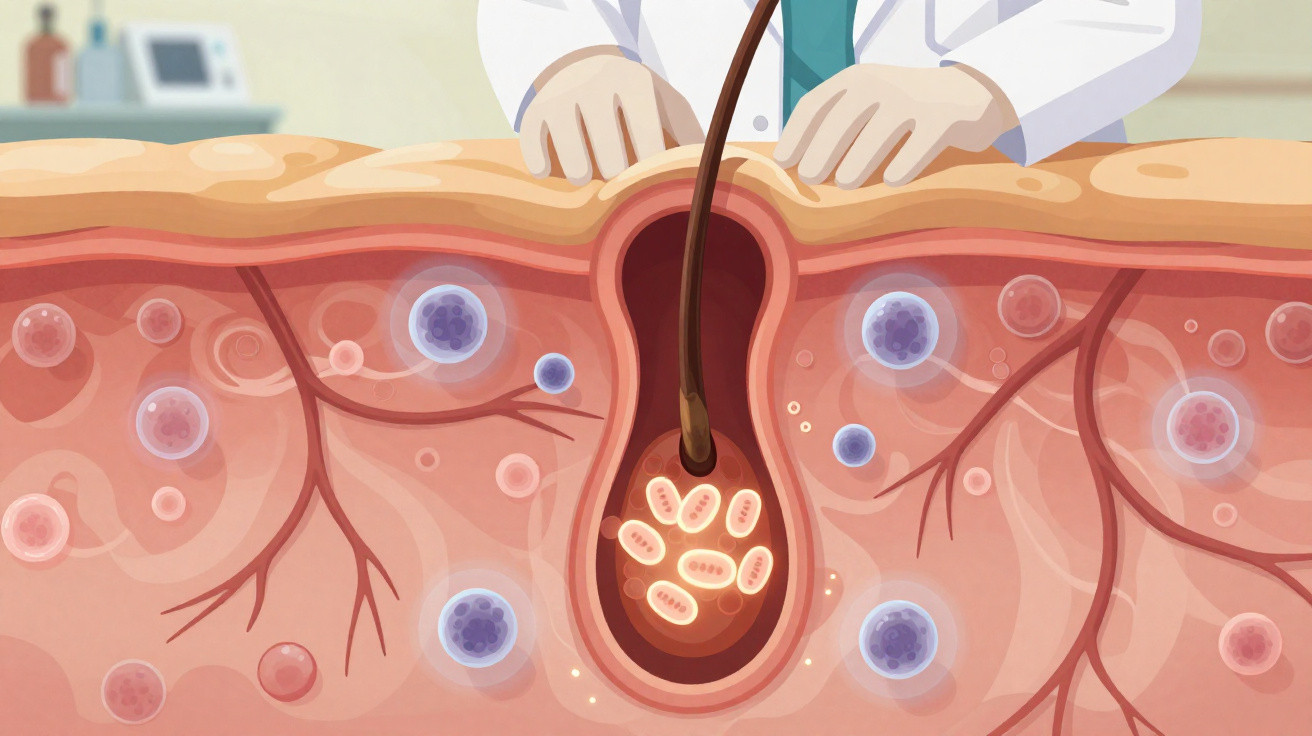
The original colour of each strand is determined directly by pigments produced by specific cellular structures. Inside the hair follicle, a specialised group continuously synthesises the substances that give growing strands their natural shade.
When this cellular reserve is altered or loses its productive capacity, pigment production gradually declines. As a result, new hair fibres grow without their original colour, displaying the whitish hue associated with the body’s natural ageing process.
Why does grey hair protect the body?
Researchers have found that hair lightening prevents cells carrying dangerous mutations from multiplying… Read more
Why do hair stem cells stop producing pigment?
The cells responsible for pigmentation face continual damage from metabolic stress and a range of environmental agents. When critical changes occur in cellular DNA, the body activates control pathways that halt the ongoing renewal of these specialised units in the hair bulb.
This programmed shutdown causes damaged structures to reach their final maturity and leave the reproductive cycle. As a direct consequence, melanin synthesis stops completely, sacrificing the colour of the hair shaft in order to safeguard the biological integrity of the surrounding tissue.
Below is a video from the Medical Dialogues YouTube channel that explores the points discussed in this topic in greater depth:
How does whitening protect the body against abnormalities?
Halting the cell cycle prevents cells with genetic abnormalities from multiplying without restriction. This senescence mechanism serves as a protective barrier against the development of uncontrolled proliferations within the epithelial tissue of the scalp.
By preventing the spread of compromised elements, the human body favours tissue stability over hair colour. Pigment loss therefore represents a genuine cellular shield, helping to prevent more serious complications caused by the build-up of genetic mutations.
Cellular Preservation
Defence Mechanisms
Essential processes involved in protecting follicle tissues:
- Activation of genetic stress-response pathways;
- Permanent cessation of renewal in affected cells;
- Safe removal of the damaged hair reservoir.
Which external factors accelerate the appearance of grey hair?
Although genetic predisposition sets the primary biological pace of pigment loss, certain everyday stressors speed up the process. Ongoing exposure to solar radiation and frequent contact with harsh substances increase the level of stress at the hair roots.
Over the years, the accumulation of free radicals overwhelms the response capacity of the scalp’s protective structures. This gradual deterioration brings about premature exhaustion of the hair niche, causing new strands without natural pigmentation to appear sooner.
The main factors influencing this early deterioration in the body include:
- Unprotected exposure to ultraviolet sunlight;
- Chronic accumulation of cellular oxidative stress;
- Frequent contact with irritating chemical agents.
What does new research reveal about hair ageing?
The latest scientific investigations suggest that hair ageing is not simply a passive biological loss. This structural change reflects a highly organised strategy through which the body manages cellular resources to protect vital tissues from progressive damage.
Understanding these cellular preservation pathways completely changes the traditional everyday view of human greying. Rather than being merely an aesthetic sign of decline, every grey strand demonstrates the effective operation of the body’s self-defence and survival mechanisms.





Comments
No comments yet. Be the first to comment!
Leave a Comment