
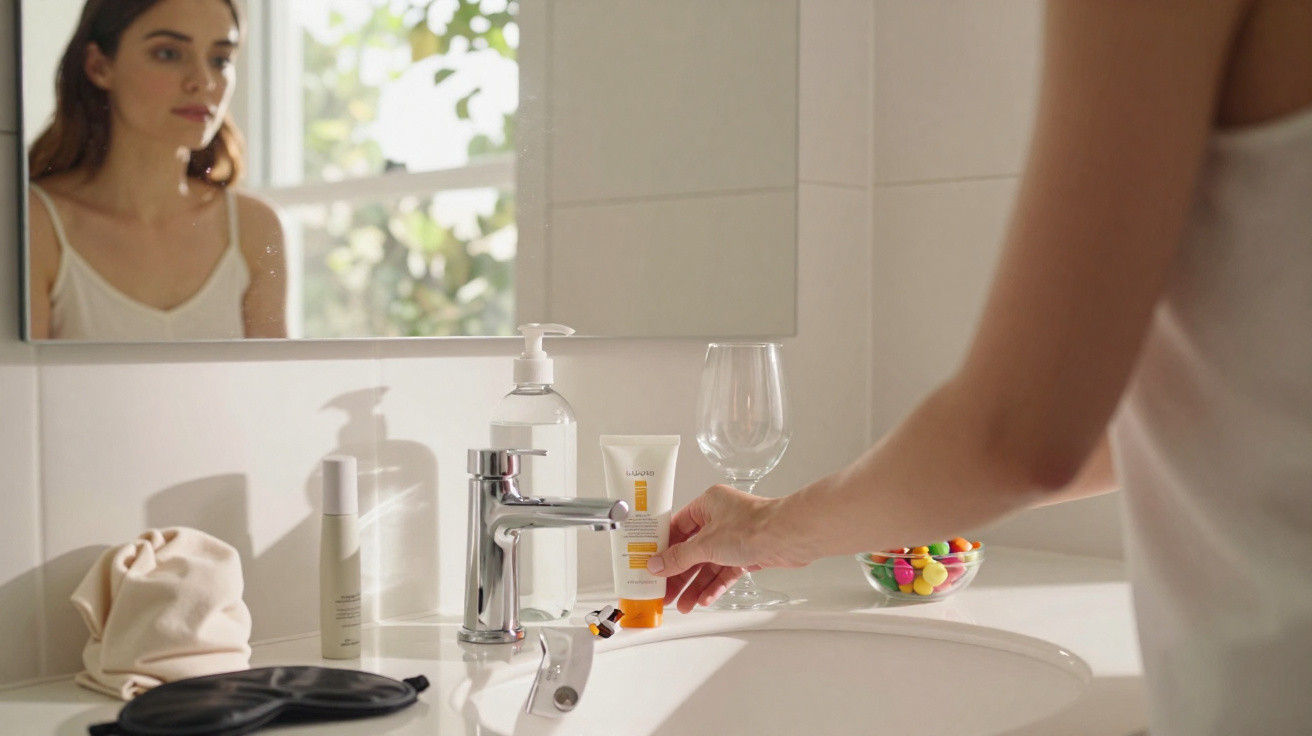
Although skin ageing is often associated with the passing of time or sun exposure, other factors can also harm its health and appearance. Everyday behaviours may gradually encourage wrinkles, dark spots, sagging and a loss of radiance, often without people noticing.
According to dermatologist Ana Carolina Sumam, seemingly minor daily decisions can have a considerable long-term effect on skin health. “Skin ageing results from a combination of genetic and environmental factors. Around 80% of visible skin ageing is linked to what we call the exposome: everything we are exposed to throughout life, from solar radiation to eating, sleeping and stress habits,” she explains.
The positive news is that many of these factors can be changed, helping to maintain skin quality for longer. Here are 7 habits that speed up the ageing process.
1. Getting too little sleep or sleeping poorly
Sleep is a period of intensive cellular repair. When this process is regularly disrupted, the skin becomes less able to produce collagen, repair damage and retain its natural hydration. “Sleep is one of the most important times for skin regeneration. Chronic sleep deprivation promotes premature ageing, increases inflammation and can leave the skin looking dull and tired,” the specialist says.
2. Forgetting sunscreen on cloudy days
Ultraviolet radiation remains present and contributes to premature ageing even when skies are overcast or someone spends much of the day indoors. “UV radiation is one of the main causes of collagen and elastin breakdown. In addition, visible light from screens and lamps may also contribute to dark spots in people who are predisposed to them. Sun protection should be part of the daily routine,” advises the doctor.
3. A diet high in sugar and ultra-processed foods
Too much sugar promotes a process known as glycation, in which glucose molecules attach to collagen and elastin fibres, making them stiffer and less effective. “This process speeds up the loss of skin firmness and encourages wrinkles. A balanced diet is also a way of caring for the skin,” Ana Carolina Sumam highlights.
4. Living with constant stress
Chronic stress raises cortisol production, a hormone that can promote inflammatory processes and impair cellular renewal. “The skin responds directly to emotional state. During periods of intense stress, it is not unusual to see poorer skin quality, increased oiliness and even worsening dermatological conditions,” she says.
5. Smoking and drinking excessive amounts of alcohol
Cigarettes reduce blood flow to the skin, lower tissue oxygenation and hasten collagen breakdown. Excessive alcohol consumption, meanwhile, promotes dehydration and inflammatory processes. “These habits damage both health and the appearance of the skin. Over time, it is common to see a loss of elasticity, deeper wrinkles and an aged appearance,” comments Ana Carolina Sumam.
6. Not removing make-up before bed
Going to sleep wearing make-up or without cleansing properly encourages the build-up of residue, pollution, oil and dead skin cells, impairing the skin’s natural renewal process. “This habit can contribute to blocked pores, acne and increased oxidative stress, which also plays a role in skin ageing,” warns the specialist.
7. Neglecting hydration
Hydration does not prevent ageing, but it helps preserve the skin’s barrier function and improve its appearance. “Well-hydrated skin has better radiance, texture and resistance to external aggressors. Alongside drinking water, using suitable moisturisers makes a difference,” she says.
The importance of maintaining daily skin care
Although ageing is a natural process, many of the factors that accelerate it can be avoided through simple routine changes. A balanced diet, daily sun protection, good-quality sleep, stress management and appropriate skin care provide the foundation for an effective prevention strategy.
“There is no formula that can stop ageing, but it is possible to age with healthier skin. Small lifestyle changes, when maintained over the years, produce highly significant results,” concludes dermatologist Ana Carolina Sumam.
By Yohana Guimarães


Comments
No comments yet. Be the first to comment!
Leave a Comment