

Blackheads, excessive shine and a tired-looking complexion do not always require a complicated routine. A well-performed at-home facial cleansing routine can clear away built-up residue, balance excess oil and restore radiance to the face, provided it respects the skin’s limits and does not attempt to replicate the intensive procedures carried out in clinics.
What does an at-home facial cleansing routine actually do?
A home cleansing routine brings together steps that remove make-up, pollution, excess sebum and dead skin cells left on the surface. When suitable products are used, it can help keep pores clearer and prepare the face for moisturisers, serums and other cosmetics used every day.
Its purpose, however, is not to perform deep extractions or squeeze blackheads. The aim is to protect the skin’s natural barrier between professional treatments, limiting the build-up of impurities without causing damage that may lead to sensitivity, redness, dryness or even increased oil production.
What are the benefits of a balanced routine?
When cleansing is introduced in moderation, the main differences may be seen in the skin’s texture and the overall appearance of the face. Removing residue correctly supports the natural renewal of the skin’s surface and reduces the conditions that allow dirt to collect in the pores.
Among the most sought-after effects are a fresher feeling, smoother skin and a more radiant appearance. The key benefits of a considered routine include:
- Removes make-up residue, pollution and excess oil accumulated throughout the day.
- Helps reduce the build-up of impurities that can contribute to blackheads.
- Prepares the skin for moisturisers, serums and other skincare products.
- Promotes a more even, softer texture with a naturally radiant look.
- Encourages a more consistent self-care routine that pays attention to the face’s needs.
How do you carry out facial cleansing at home?
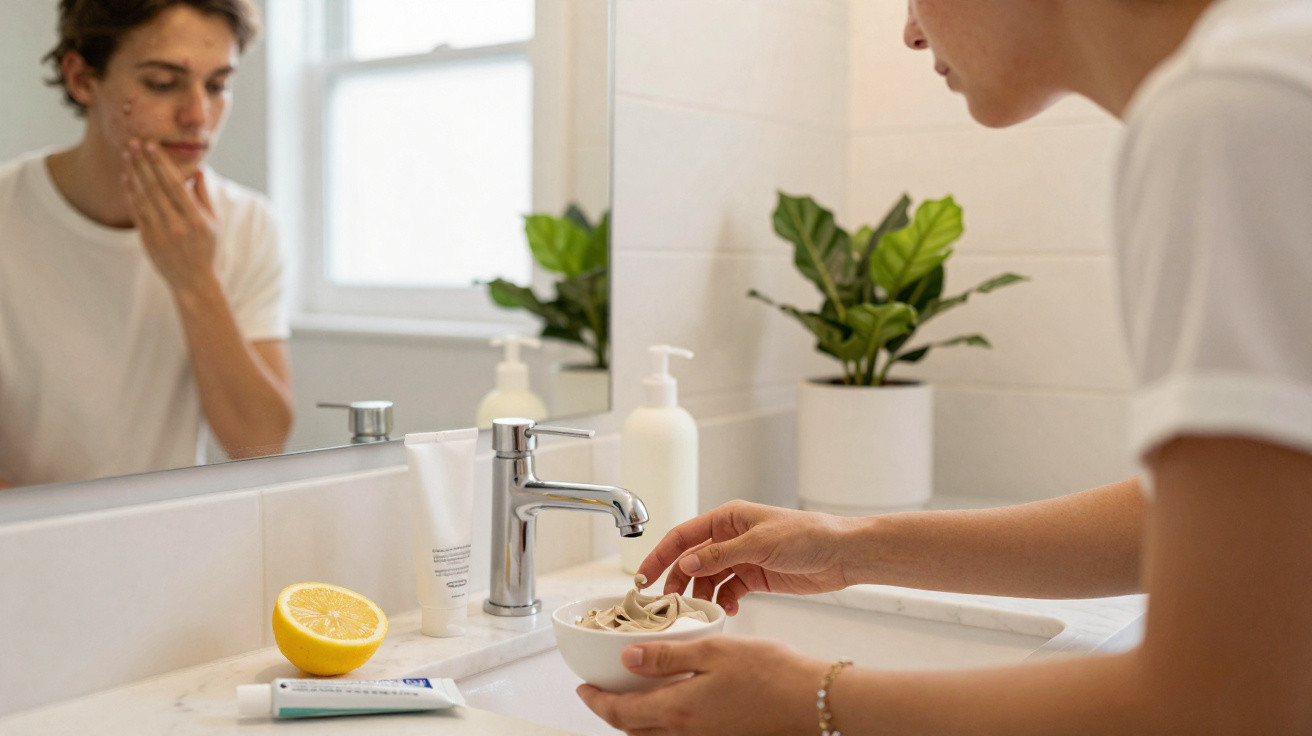
Start by washing the face with a facial cleanser suited to your skin type. A gentle exfoliation can then help lift away dead skin cells, as long as it is not overdone. The next step may involve a face mask formulated for needs such as oiliness, hydration or sensitivity.
Once the mask has been completely removed, a toner may be used to complement the routine according to the product instructions. Finish with a suitable moisturiser, including for oily skin. During the day, sunscreen completes the routine and helps shield the face from the effects of ultraviolet radiation.
Watch the video shared by the Gazeta Hub YouTube channel, which shows how to perform an at-home facial cleansing routine.
Which mistakes can irritate the skin?
Overdoing it is often one of the biggest issues. Exfoliating too frequently, rubbing the face vigorously or using harsh products can weaken the skin’s natural protection. Rather than controlling oiliness, these habits can increase sensitivity and trigger a compensatory response that produces more sebum.
It is also important to keep hands, towels and accessories clean, and to avoid attempting to remove blackheads yourself. Cosmetics should suit the individual characteristics of your skin. If persistent irritation, severe acne or other recurring changes occur, seek advice from a dermatologist for an appropriate assessment.
How can you make clean, radiant-looking skin last longer?
The result does not rely on an intensive cleanse every so often, but on keeping up the basic steps regularly. Proper cleansing, moisturising and sun protection are a safer combination for maintaining balanced skin and preventing the pursuit of a clean appearance from becoming excessive treatment.
The most effective change begins with noticing how your face responds and adapting the routine before irritation develops. Review the products you use today, cut out the excess and turn your at-home facial cleansing routine into mindful care. Small choices repeated consistently can make a visible difference in the mirror.




Comments
No comments yet. Be the first to comment!
Leave a Comment