
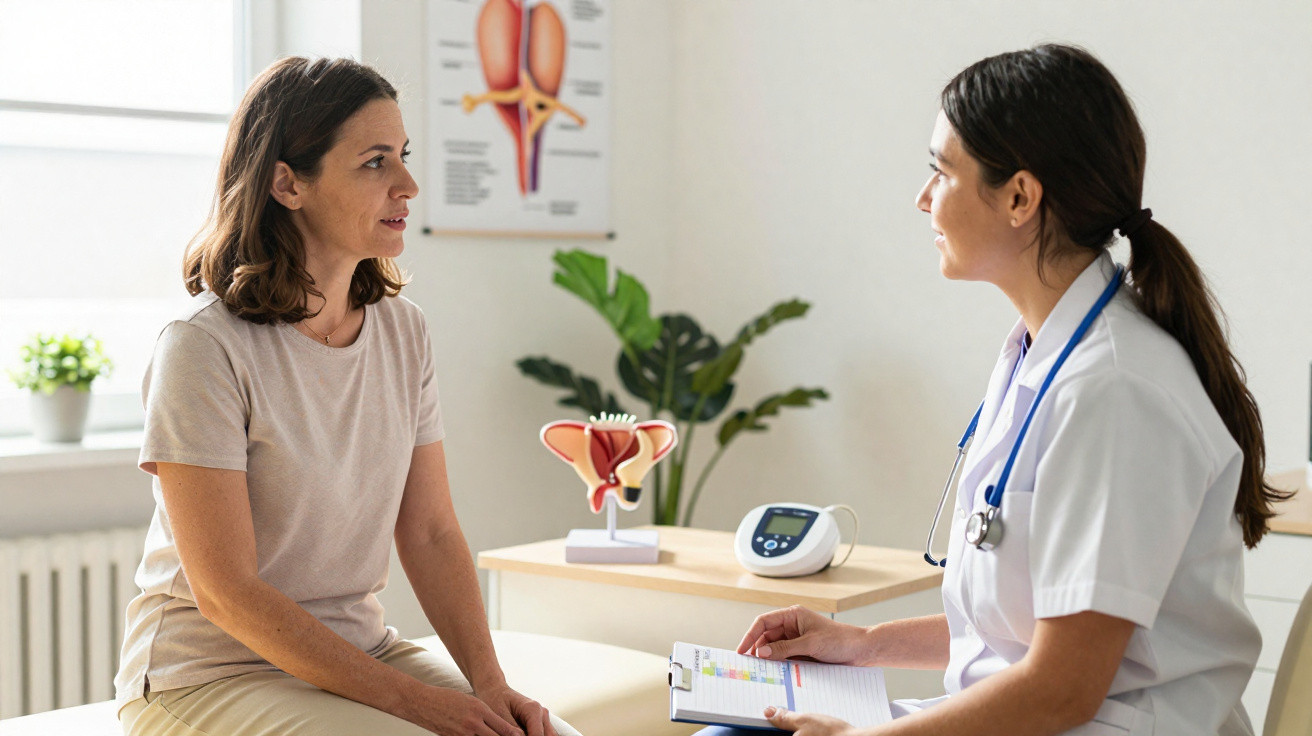
A laugh, a sneeze, a run or simply lifting a weight can result in an involuntary leak of urine. Although it is common, the issue is still surrounded by embarrassment and is often concealed for years. A care protocol from Hospital das Clínicas at UFMG/Ebserh estimates that urinary incontinence affects between 10% and 50% of adult women. The document also indicates that many live with symptoms for six to nine years before seeking care.
According to Bruna Paschoalim, a gynaecologist and specialist in female intimate aesthetics, one of the greatest barriers is the belief that urine leakage is simply part of motherhood or ageing. “Many women stop running, exercising, travelling or taking part in social activities because they fear leaks. Urinary incontinence is a condition that needs to be investigated, as there are different forms of treatment,” she says.
Understanding the types of urinary incontinence
Urinary incontinence involves the unintentional loss of urine, although it does not occur in the same way in every case. With stress incontinence, leakage happens when abdominal pressure rises, such as when coughing, sneezing, laughing, jumping or carrying weight.
With urge incontinence, the need to urinate comes on suddenly and intensely, making it difficult to reach the toilet in time. Mixed incontinence, meanwhile, combines features of both types. Establishing the type matters because treatment depends on the cause and characteristics of the symptoms.
What can contribute to urine leakage?
Pregnancy, vaginal birth, menopause, excess weight, constipation, chronic coughing, pelvic surgery and changes to the support of the organs are among the factors that may contribute to the problem. Age can also have an effect, but this does not mean that every woman will develop incontinence as she gets older.
Younger women may experience leakage too, particularly during high-impact exercise. In these situations, the issue may be linked either to reduced strength or to difficulty coordinating the pelvic floor muscles correctly.
Care and treatments for urinary incontinence
Below are the main steps for investigating and treating the condition:
1. Notice when urine leakage occurs
Identifying whether leakage happens during exertion or comes with an urgent need to urinate can help guide the assessment. It is also important to note how often the episodes occur and whether there are additional symptoms, such as pain, burning, blood in the urine or difficulty emptying the bladder.
2. Keep a bladder diary
A bladder diary records the times a woman urinates, the approximate amount of liquid consumed, episodes of urgency and the circumstances in which leakage occurred. This information helps the clinician understand how the bladder is functioning and can be used to monitor treatment progress.
3. Assess the pelvic floor muscles
Pelvic floor muscle training is one of the main conservative approaches to urinary incontinence. Care may include pelvic physiotherapy, strengthening and coordination exercises, bladder training and body-awareness techniques.
Professional assessment is important because not every patient simply needs to strengthen this area. In some cases, the challenge is coordinating, relaxing or activating the muscles properly.
4. Review habits that affect the bladder
Weight management, treatment for constipation and cutting down excessive consumption of substances that may irritate the bladder, such as caffeine and alcohol, can form part of the care plan. Water intake, however, should not be reduced indiscriminately, as inappropriate fluid restriction may cause other problems.
5. Learn about electromagnetic stimulation
One available option is an electromagnetic pelvic floor stimulation chair. The woman remains seated and fully dressed while the equipment produces repeated contractions in the muscles of the area.
“The technology works as intensive pelvic floor training, without the need to insert devices. However, whether it is suitable depends on an assessment, because treatment must take into account the type of incontinence, the severity of symptoms and each patient’s circumstances,” explains Bruna Paschoalim.
Recent research suggests that some women who undergo magnetic stimulation experience improvements in symptoms and quality of life. However, studies vary in their protocols and findings. For this reason, the option should not be presented as a standalone solution or replace diagnosis and individualised follow-up.
6. Consider other treatment options
Medication, support devices and surgical procedures may also be recommended in certain circumstances. The choice takes account of the type of incontinence, the severity of leakage, the response to conservative measures and the effect of the problem on daily life.
Even small but recurring leaks warrant an assessment. Seeking help when symptoms first appear may prevent a woman from spending years restricting exercise, work commitments, travel and social time because of a condition that can be managed or treated.
By Eluan Carlos






Comments
No comments yet. Be the first to comment!
Leave a Comment