

Type 2 diabetes is growing ever more prevalent worldwide.
Although genetics clearly plays a major part in the condition, numerous studies indicate that our surroundings – and how we behave within them – can also influence our likelihood of developing diabetes.
Green space and type 2 diabetes risk
Public health researchers from institutions in Australia and the US have identified an association between access to green space – especially private gardens and parks – and type 2 diabetes risk.
Their analysis drew on data from more than 400,000 participants in the UK Biobank. Using hospital records, the team identified cases of type 2 diabetes over a median follow-up period of 15.4 years. They also used the OS MasterMap Greenspace Layer to assess UK residents’ access to public and private green spaces.
When the datasets were combined, several patterns became apparent.

In broad terms, living with more green space around the home was associated with a lower risk of type 2 diabetes.
Participants with a considerable amount of private garden space within 100 metres of their home – and, presumably, access to their own garden – were 6.8 percent less likely to develop type 2 diabetes than those in the lowest quartile for gardens within that radius.
Having four or more parks in the local area was also linked to a 5.7 percent lower likelihood of developing type 2 diabetes.
Interestingly, it appeared to make little difference whether parks were reachable on foot.
This was an observational study, so it can reveal associations but cannot prove that one factor causes another.
Many possible confounding influences could be involved. The researchers accounted for some of these in their analysis, including smoking status, alcohol intake and a family history of diabetes.
Still, observational research of this kind captures the disorder and unpredictability of everyday life, for better or worse.
Why gardens and parks may matter
For example, exercise is known to lower the risk of type 2 diabetes, including for people genetically predisposed to the condition. It is therefore plausible that people with ready access to gardens and parks get more exercise than those with less access.
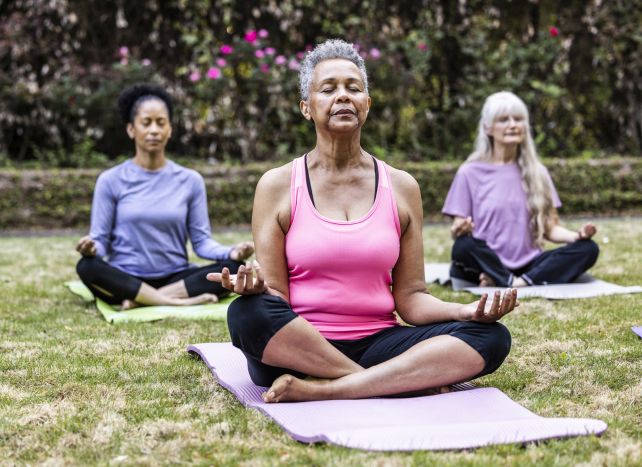
Earlier research found that people living in neighbourhoods with more parks exercise for roughly 24 additional minutes a week compared with people in areas where parks are limited.
Diabetes also affects people with lower incomes and levels of education disproportionately, while they are less likely to have access to green space.
Amid a global housing crisis, private gardens have become an unaffordable luxury for many people. Those same groups also tend to have less access to healthcare and less ability to pay for lifestyle changes that can reduce type 2 diabetes risk, such as following a vegetable-rich diet.
Green space in housing plans
As urban planners, governments and developers address the housing crisis, the study indicates that public green spaces should feature in their plans.
"Current housing challenges mean there are more high-density residential dwellings under development, and this research shows public health considerations need to be prioritized when planning green spaces," says UQ environmental epidemiologist Chinonso Odebeatu.
"The evidence shows having a garden is more than just aesthetics, because people's health will be impacted if green space isn't factored into residential developments."

"The findings from this study show how public health needs to be considered in urban planning because the decisions we make today will impact our future health," says epidemiologist Nicholas Osborne, also from UQ.
Green spaces can benefit a neighbourhood’s health in many ways, and the type of green space appears to be particularly important (a field of closely mown grass is not enough).
Private residential gardens, for example, may let residents spend time outdoors without feeling pressure to present themselves a certain way before going out, while offering a more direct, hands-on encounter with the outdoors.
Further studies may help establish exactly which features of green space – particularly private gardens – reduce diabetes risk, although Osborne has several suggestions.
"Along with physical activity, being outside in a garden also helps with vitamin D levels and the restorative aspects of being outside, which can greatly benefit mental health," he says.
"Being outdoors also exposes people to a range of microbes that improve gut health and boost the immune system."
Whatever underlies the findings, they offer a useful prompt to seek out a daily dose of greenery wherever possible.
More importantly perhaps, they underscore that the healthcare system reaches well beyond hospital walls.
The research appears in BMC Public Health.
This article was fact-checked by Rebecca Dyer and edited by Clare Watson. Although we take pride in our process, we are only human. If you spot an error, please tell us.




Comments
No comments yet. Be the first to comment!
Leave a Comment